
What to look for in October
Species from our Wildlife Guide that you can find at River Island in October: what is in bloom, nesting, arriving or active first, then everything else that is around.
In bloom
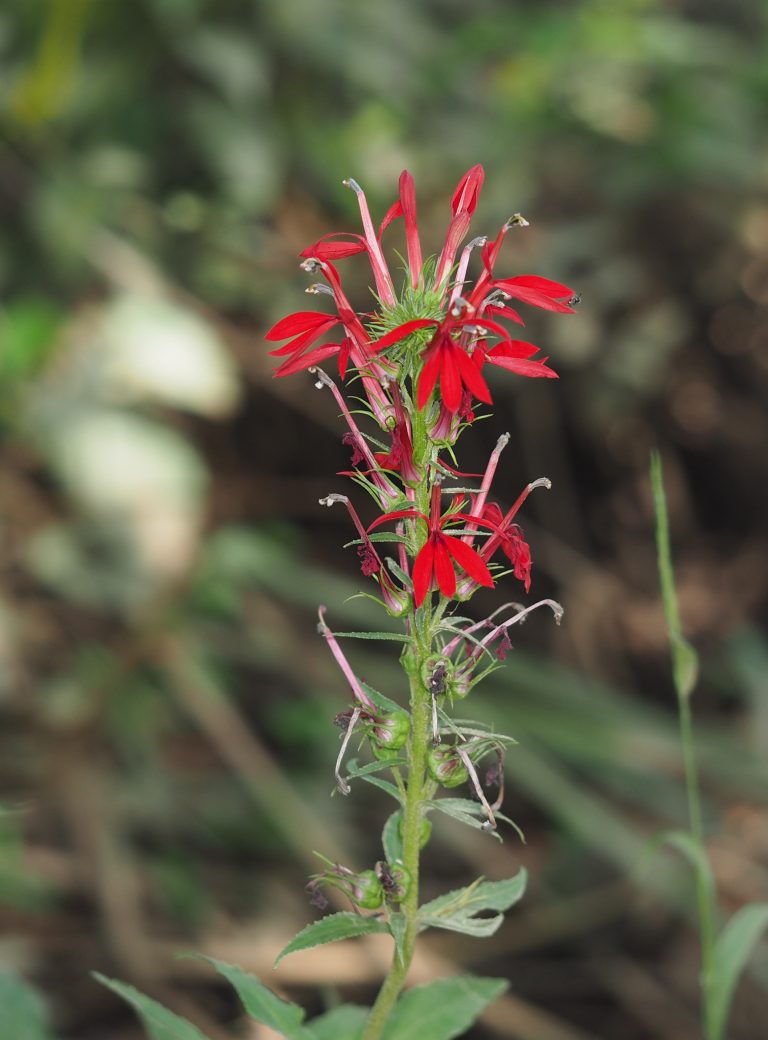
Cardinal Flower
scarlet tubular flowers open up the spike; hummingbirds are the main pollinator
Lobelia cardinalis
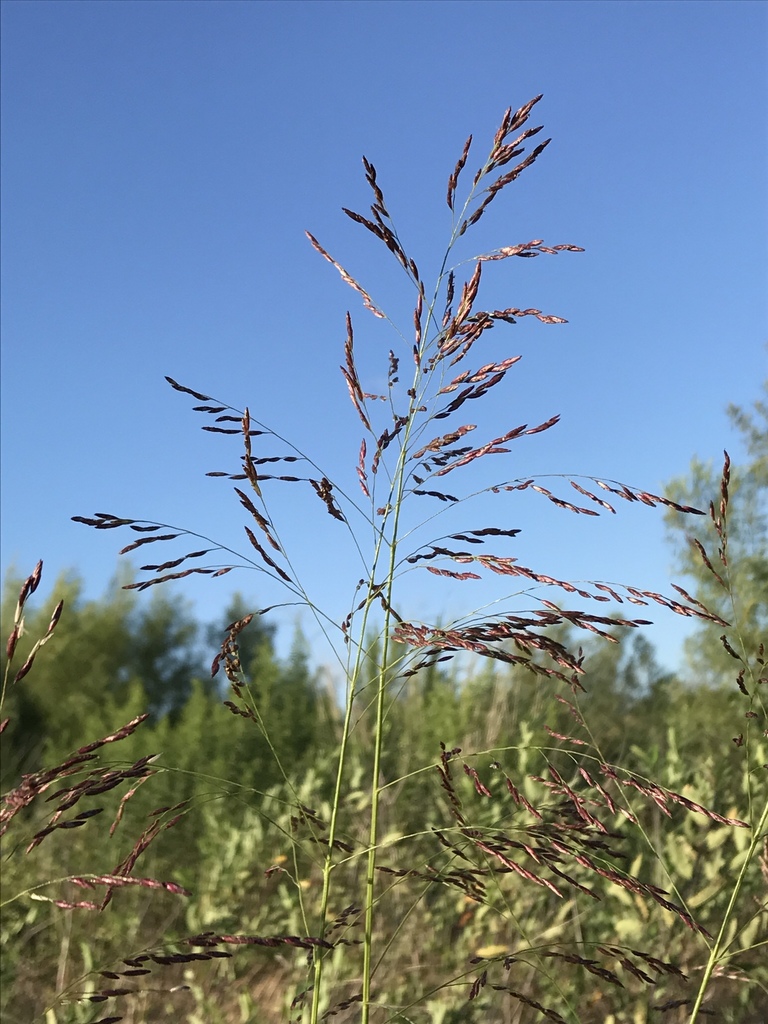
Purpletop Tridens
airy panicles of reddish-purple spikelets
Tridens flavus
Fruits, nuts and seeds
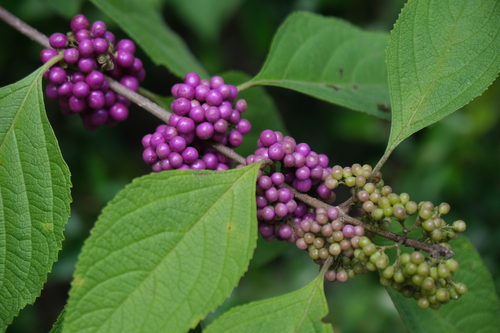
American Beautyberry
magenta-purple berry clusters that persist after leaf drop; songbirds, quail and mammals eat them
Callicarpa americana
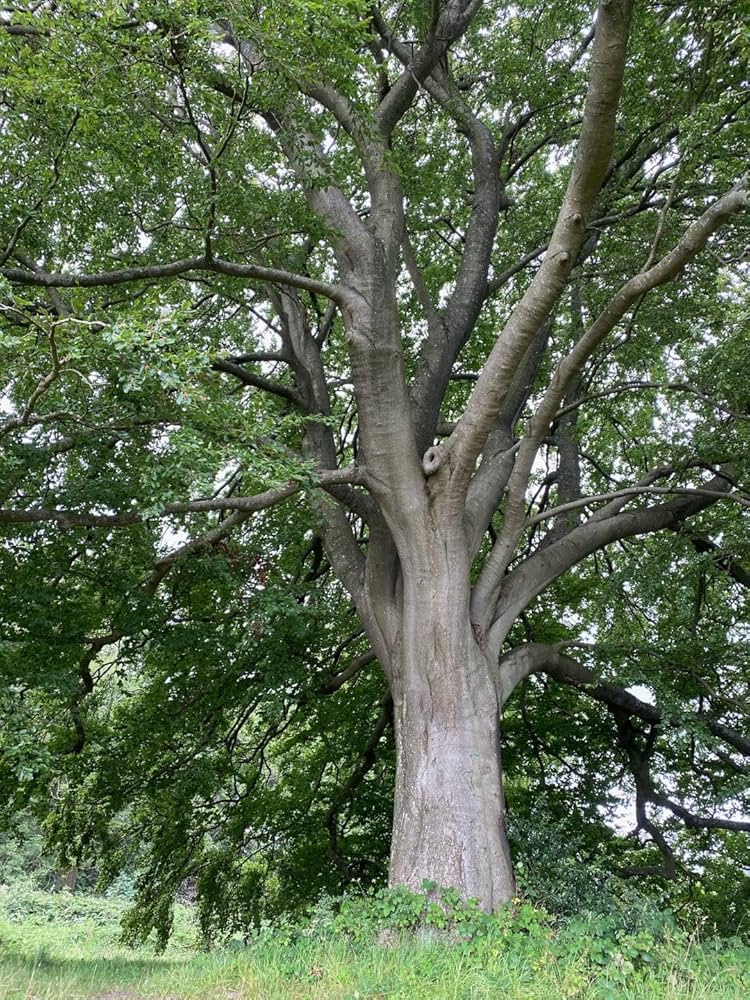
American Beech
beechnuts in prickly husks drop after the first hard frost; deer, turkeys, jays and bears eat them
Fagus grandifolia
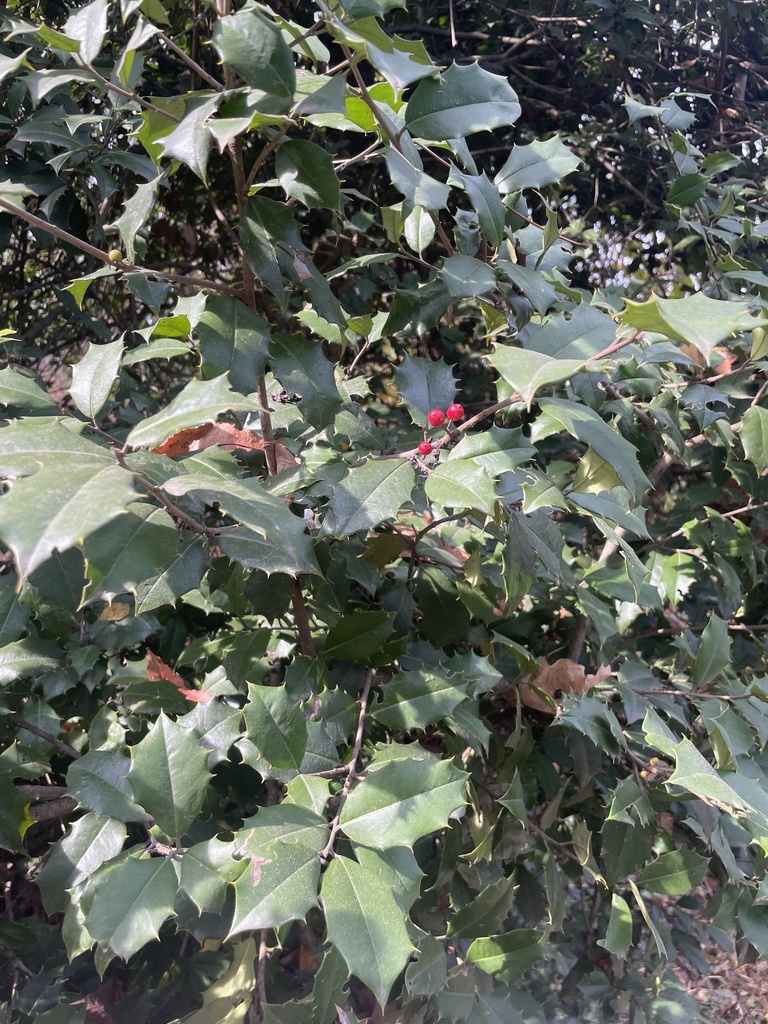
American Holly
red berries persist through winter; eaten by many songbirds, gamebirds and mammals
Ilex opaca
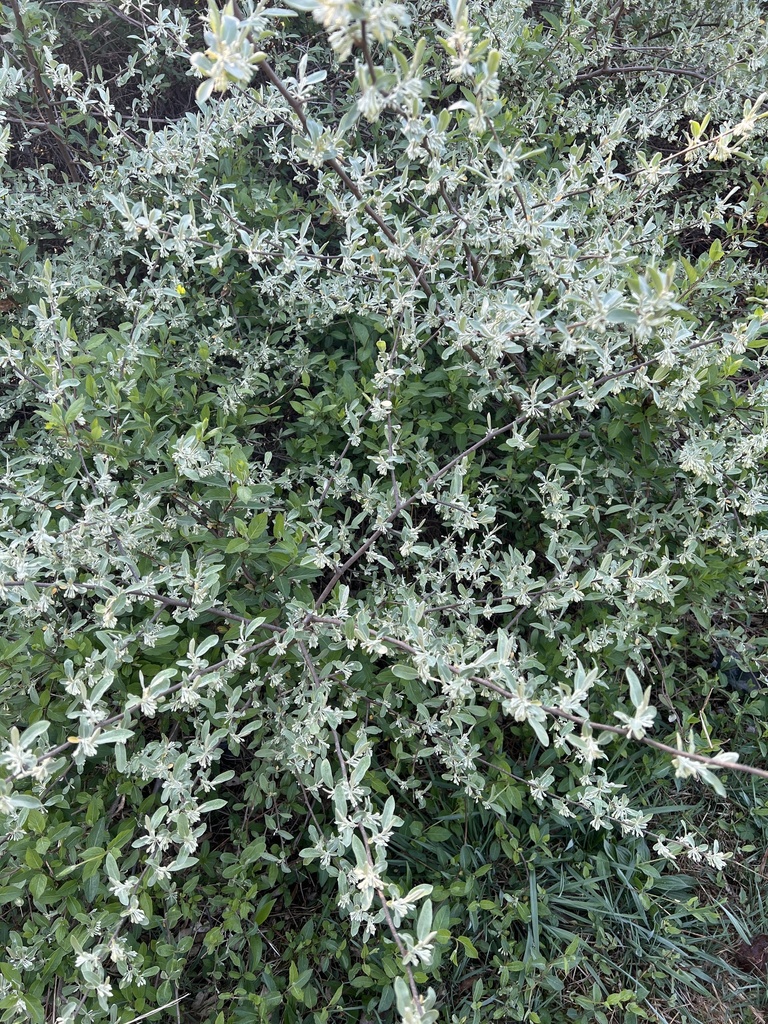
Autumn Olive
red berries dotted with silvery scales; can hang on into late winter
Elaeagnus umbellata
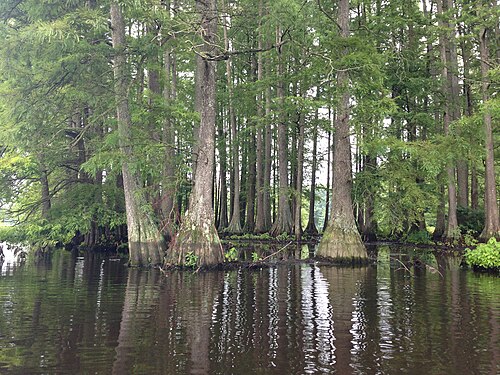
Bald Cypress
round cones turn green to brownish purple; wood ducks, turkeys and squirrels eat the seeds
Taxodium distichum
Cardinal Flower
round seed capsules turn from green to brown
Lobelia cardinalis
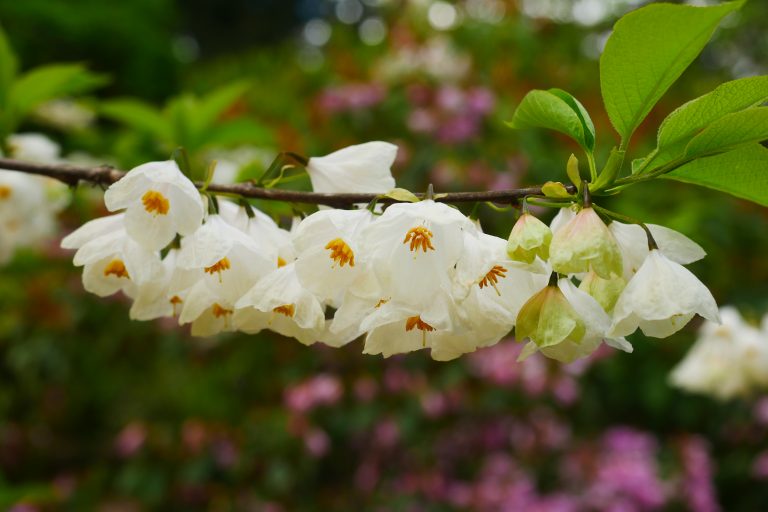
Carolina Silverbell
four-winged dry fruit turns brown and hangs on into winter
Halesia carolina
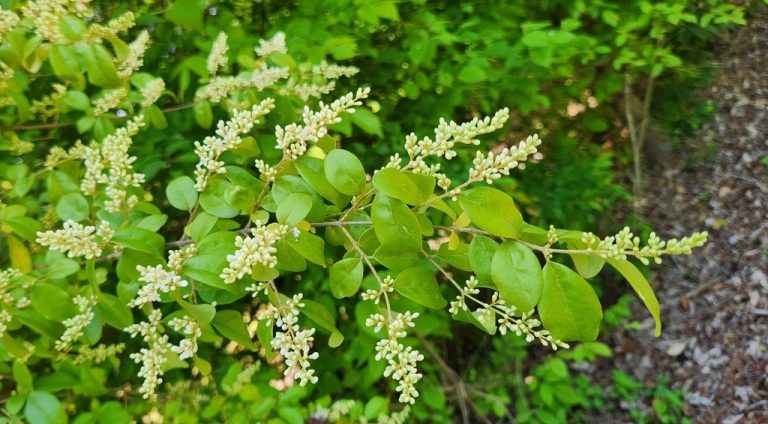
Chinese Privet
berries ripen dark purple to black and persist into winter
Ligustrum sinense
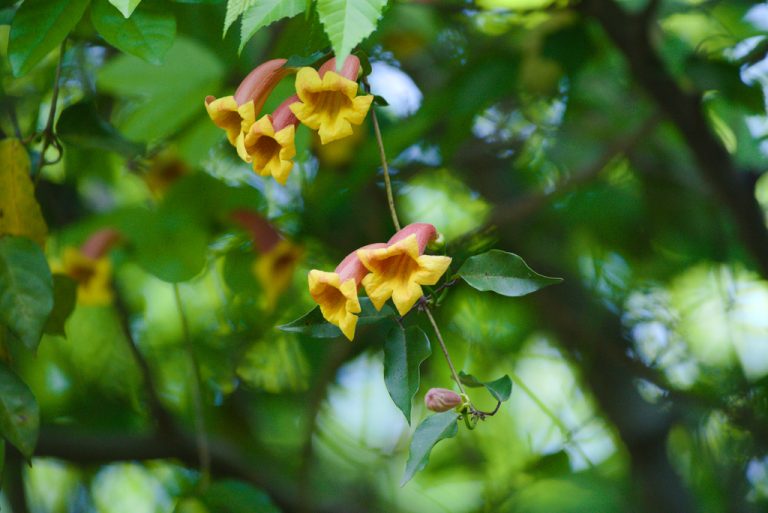
Crossvine
long flat seed pods mature in late summer and persist into fall
Bignonia capreolata
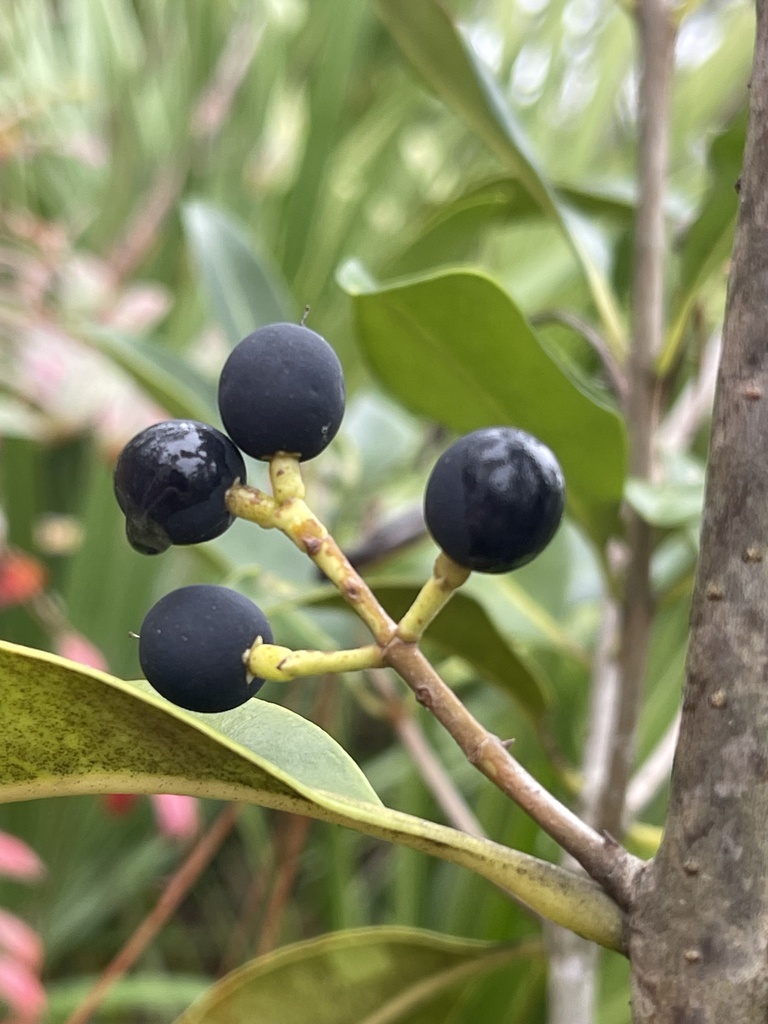
Devilwood
dark blue olive-like drupes; eaten by birds and small mammals
Cartrema americana
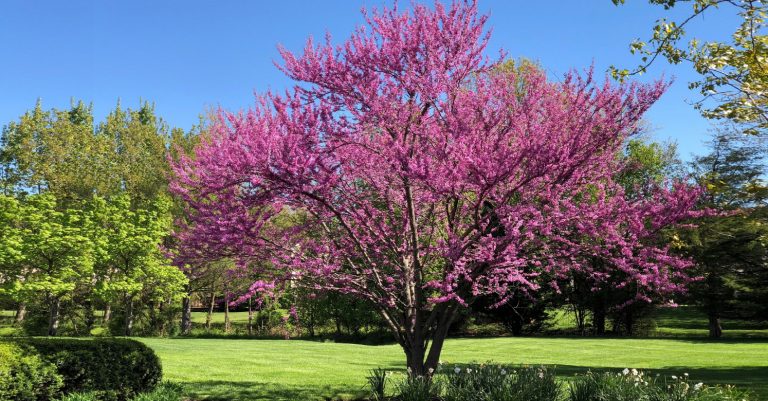
Eastern Redbud
flat pods reach full size by midsummer; many hang on after leaf fall
Cercis canadensis
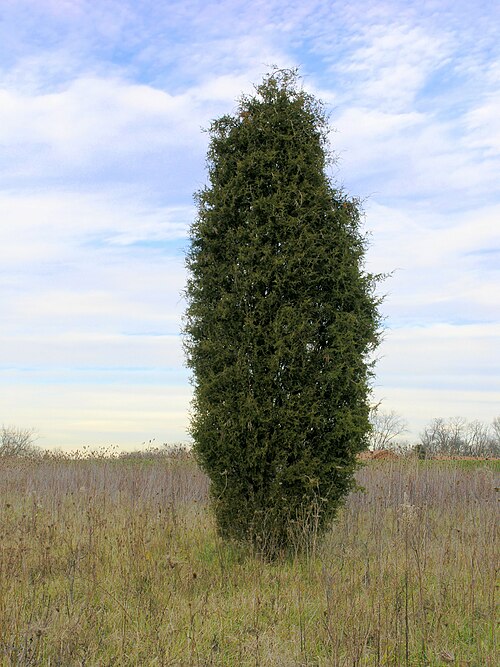
Eastern Red Cedar
frosty blue berry-like cones on the tree Sept-Feb; songbirds and small mammals eat them
Juniperus virginiana
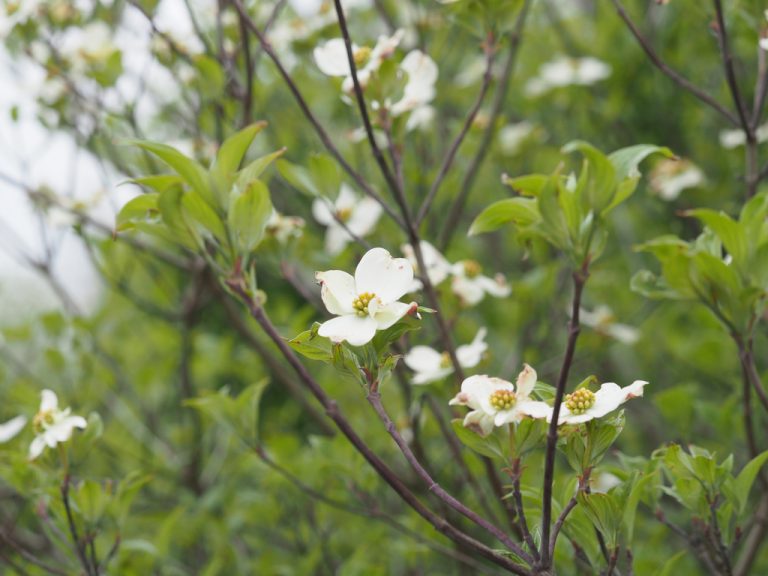
Flowering Dogwood
glossy red fruits; songbirds, quail, wild turkeys, chipmunks and black bears eat them
Cornus florida
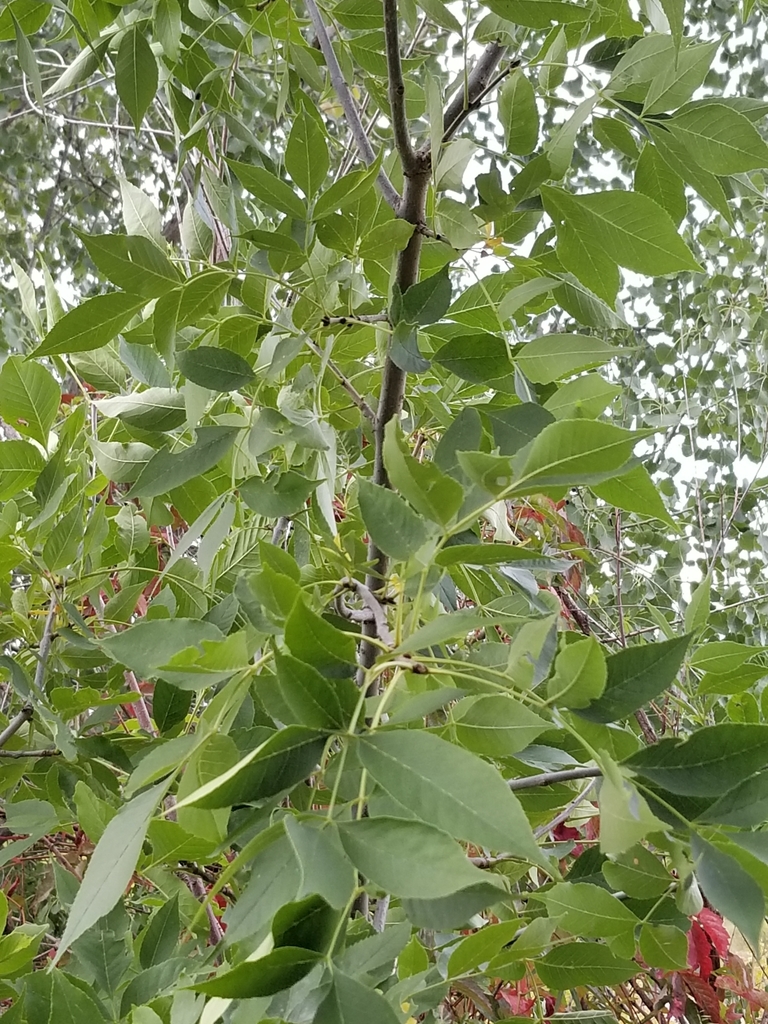
Green Ash
single-winged samaras in hanging clusters, some into winter; birds and squirrels eat the seeds
Fraxinus pennsylvanica
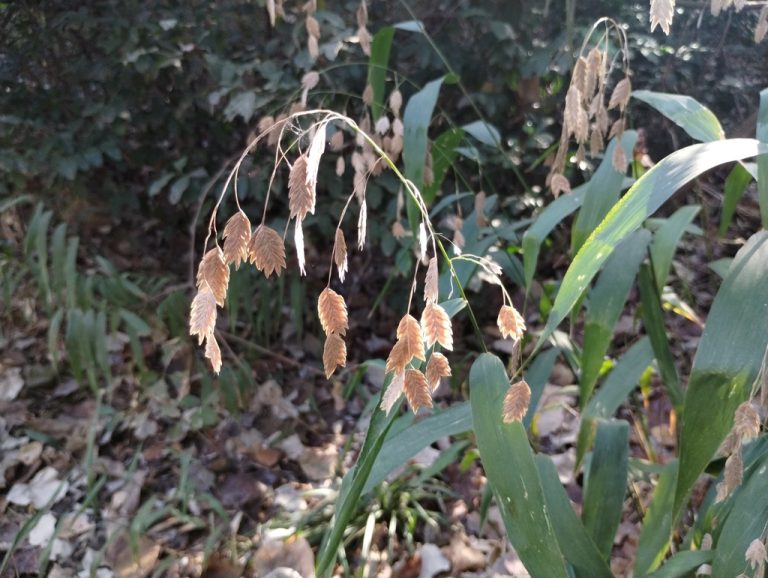
Inland Wood Oats
seed heads turn green to tan to purplish bronze; seeds eaten by small mammals and birds
Chasmanthium latifolium
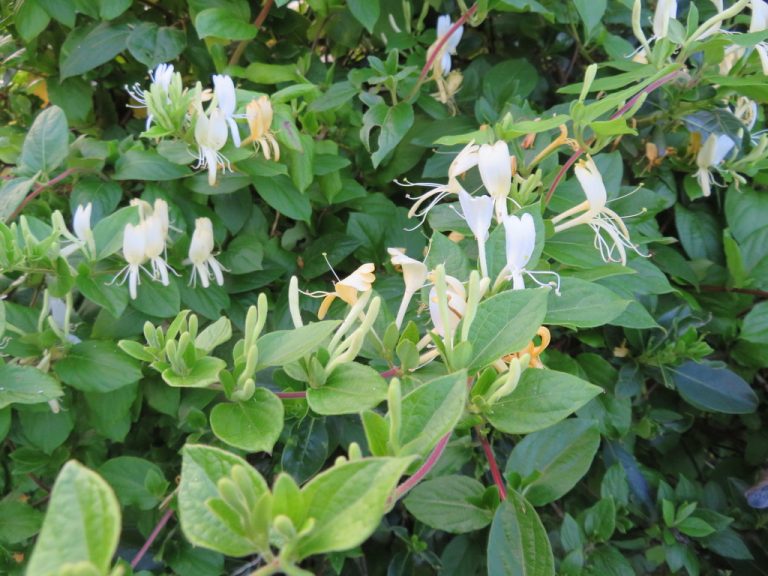
Japanese Honeysuckle
black berries persist into winter; eaten by turkeys, quail and songbirds
Lonicera japonica
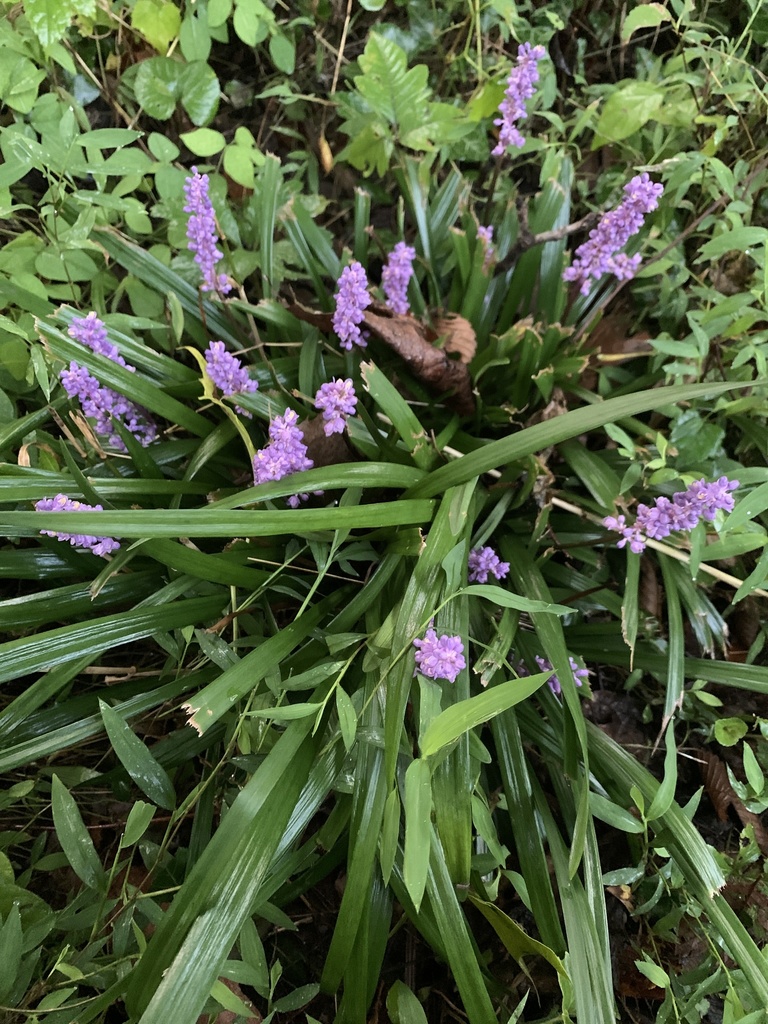
Lilyturf
shiny black berries that last through winter
Liriope muscari
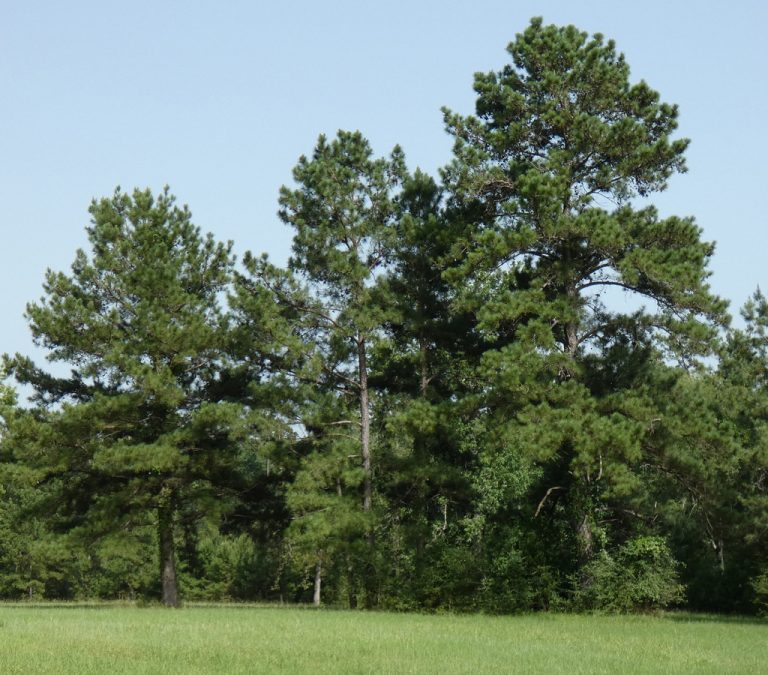
Loblolly Pine
cones ripen their second October; seeds fall Oct to mid-Dec, mostly November; squirrels and birds eat them
Pinus taeda
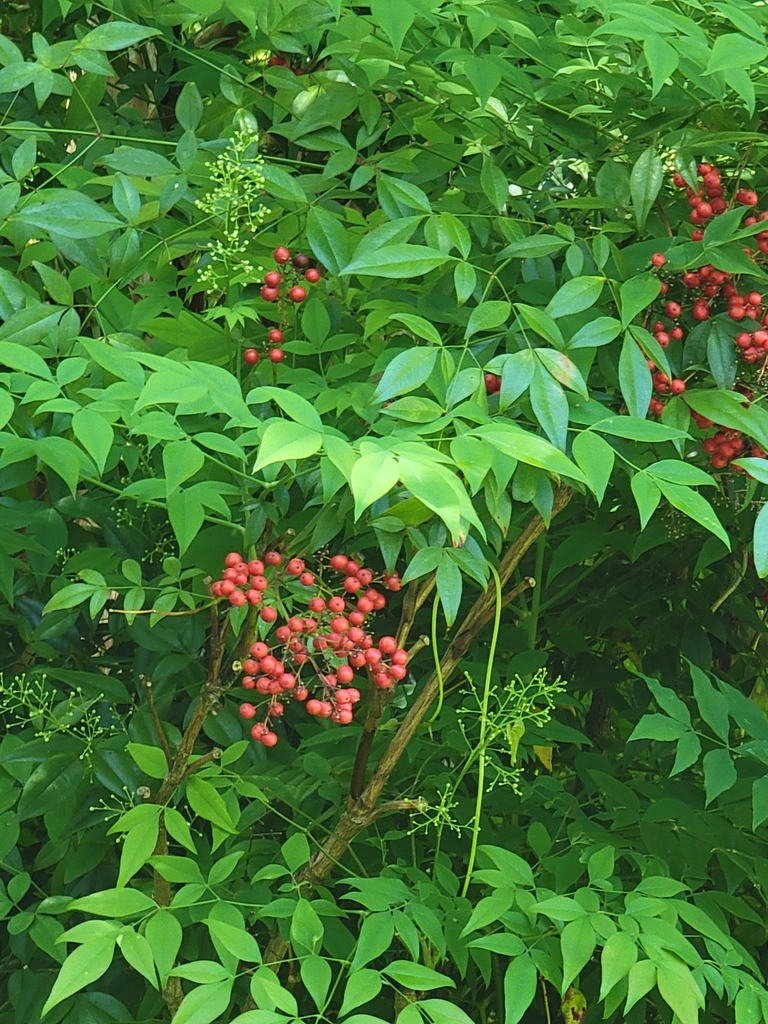
Nandina
bright red berries persist all winter; overeating them has killed cedar waxwings
Nandina domestica
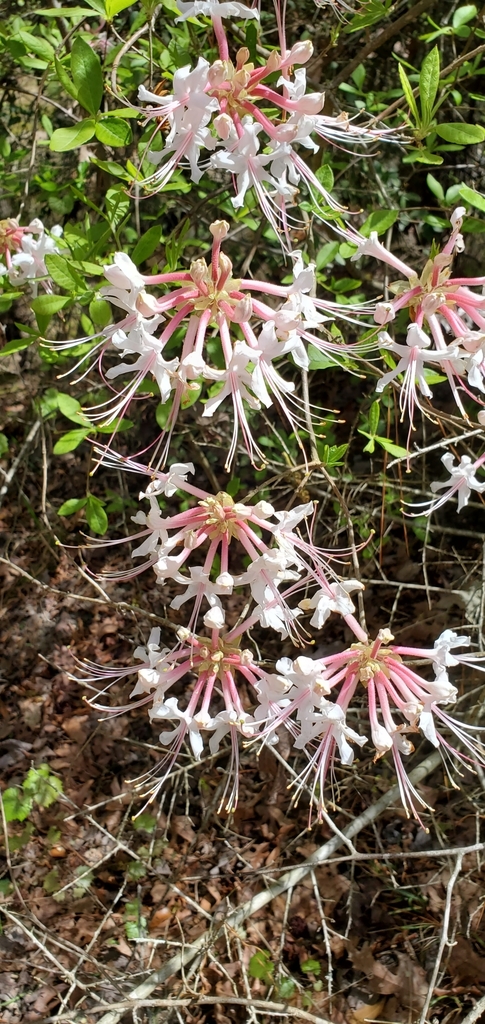
Piedmont Azalea
Rhododendron canescens
Purpletop Tridens
reddish-purple seed heads persist into fall
Tridens flavus
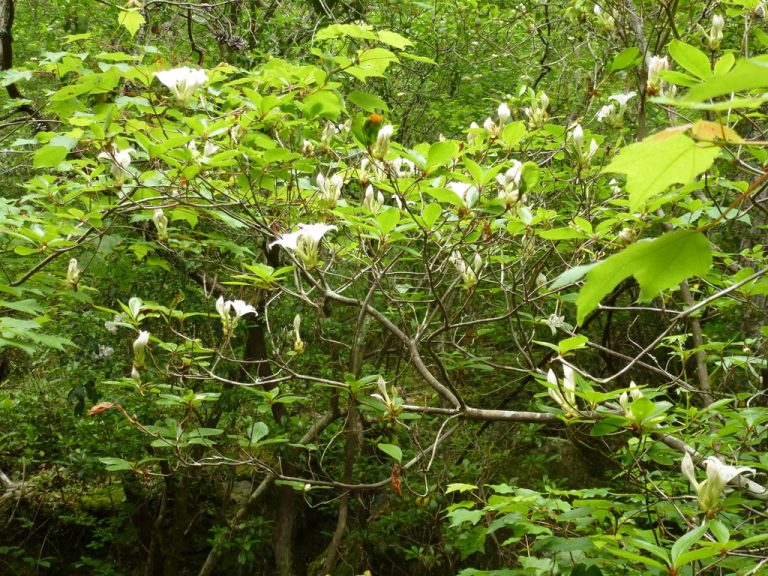
Smooth Azalea
Rhododendron arborescens
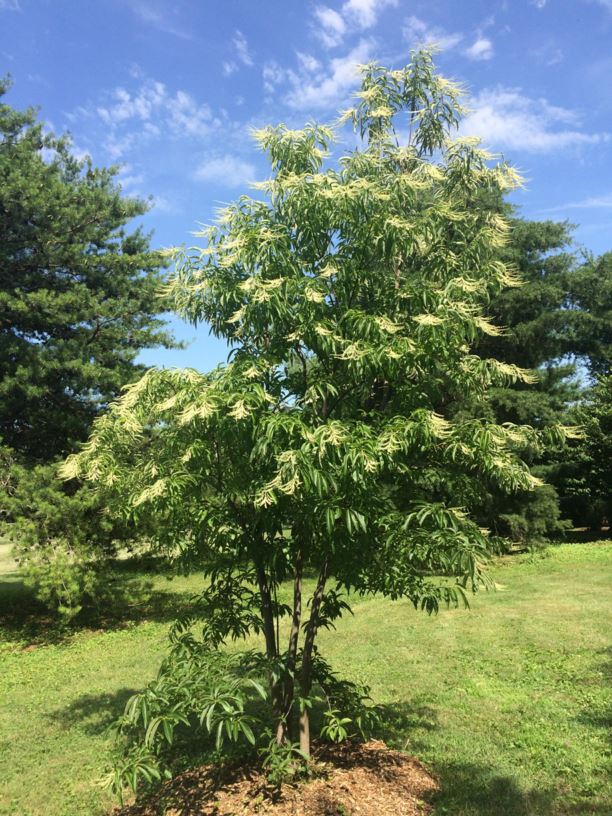
Sourwood
small capsules ripen silver-gray and hang on into winter
Oxydendrum arboreum
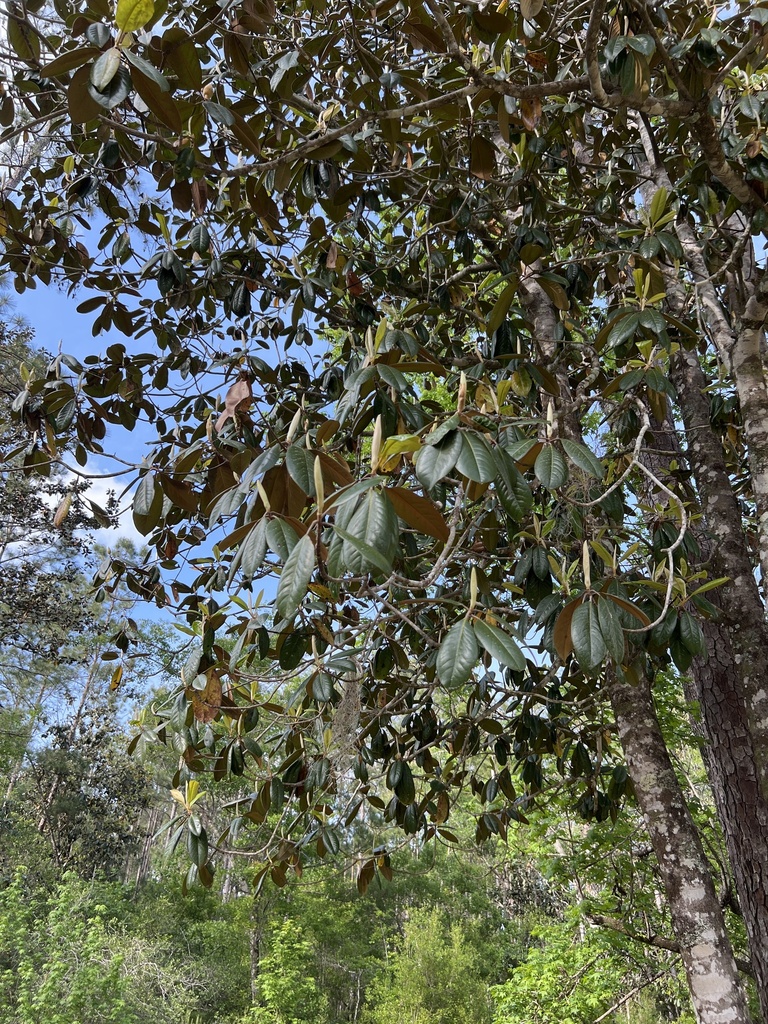
Southern Magnolia
cone-like fruit clusters; birds and small mammals eat the seeds
Magnolia grandiflora
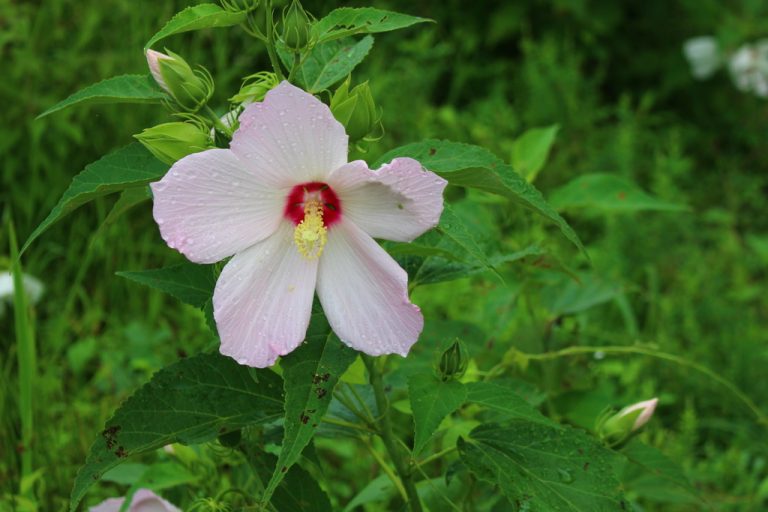
Swamp Rose Mallow
beaked seed capsules turn brown 4-5 weeks after flowering
Hibiscus moscheutos
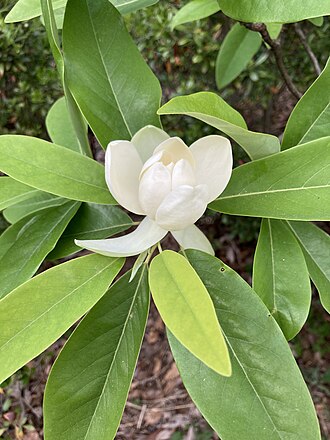
Sweetbay Magnolia
cone-like fruits with bright red seeds; birds and small mammals eat them
Magnolia virginiana
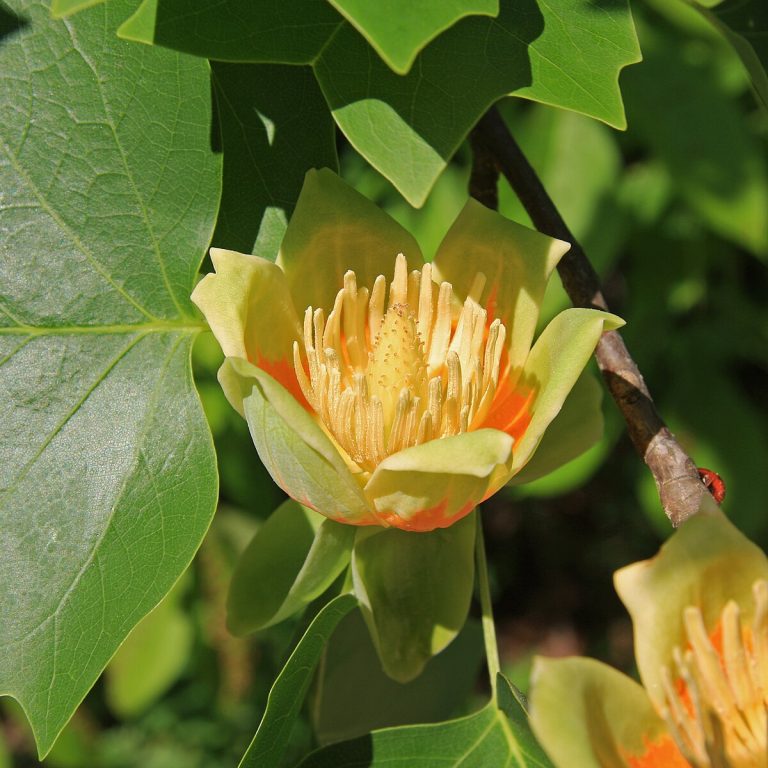
Tulip Tree
upright cone of winged samaras; most shed Oct-Nov, a few into March
Liriodendron tulipfera
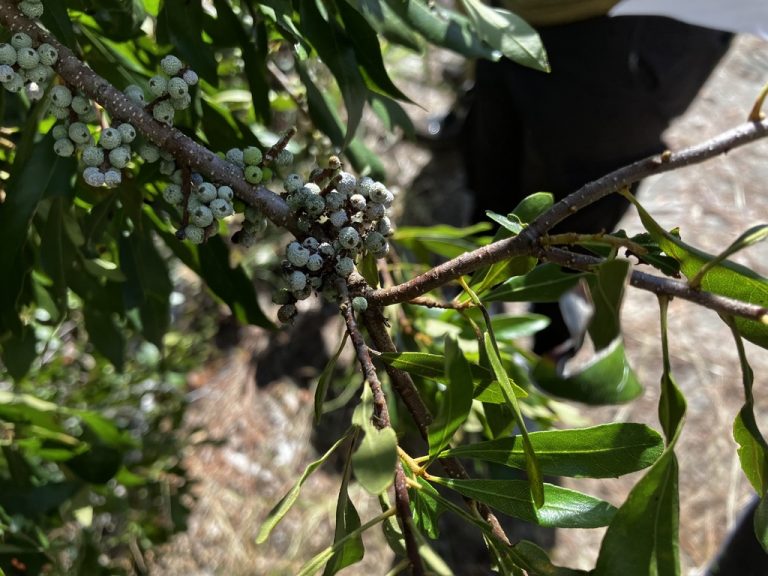
Waxmyrtle
waxy bluish-white berries on female plants; songbirds such as myrtle warblers eat them in winter
Morella cerifera
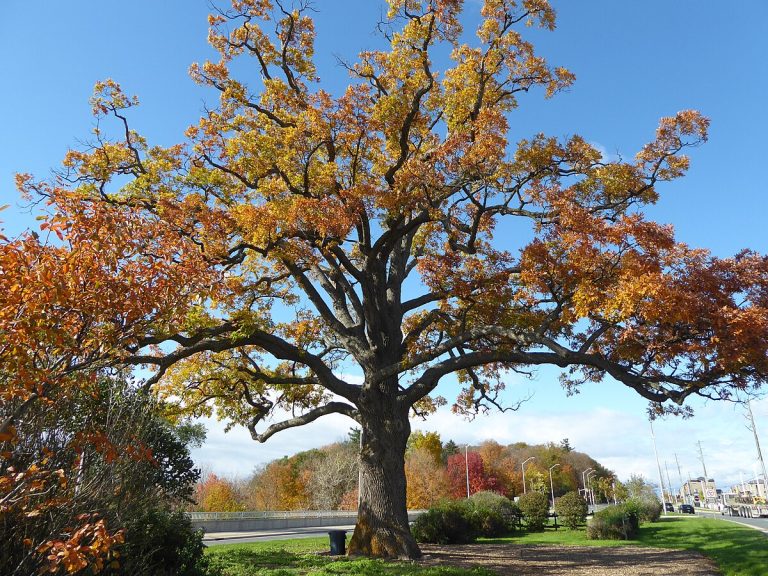
White Oak
acorns ripen in one season and sprout soon after falling; deer, turkeys, jays and bears eat them
Quercus alba
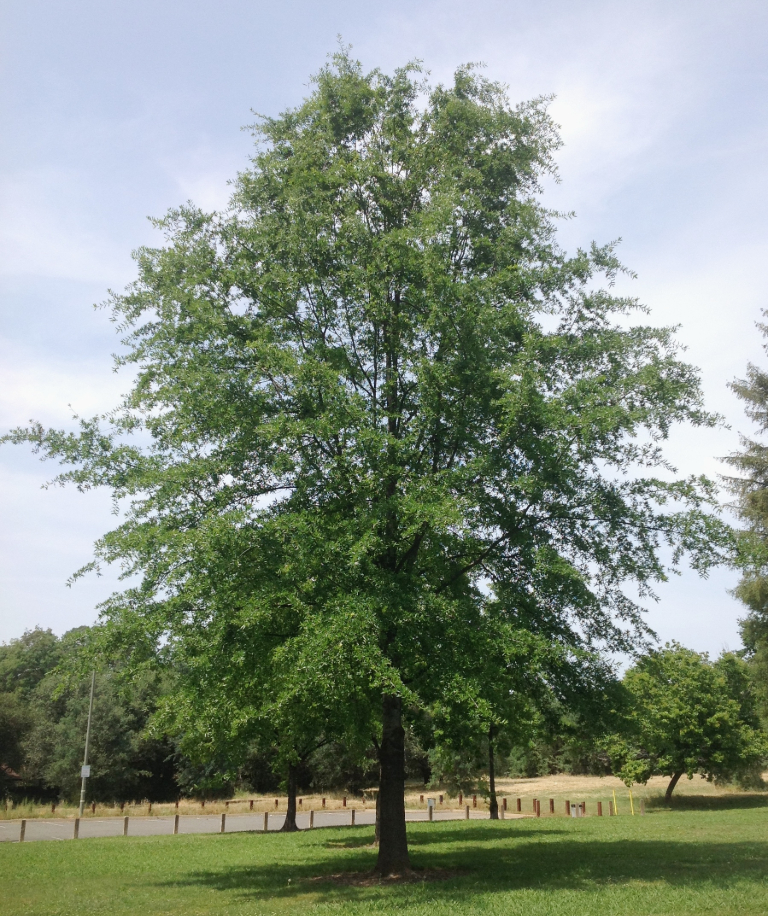
Willow Oak
small acorns take two seasons; squirrels, ducks, deer, turkeys and quail eat them
Quercus phellos
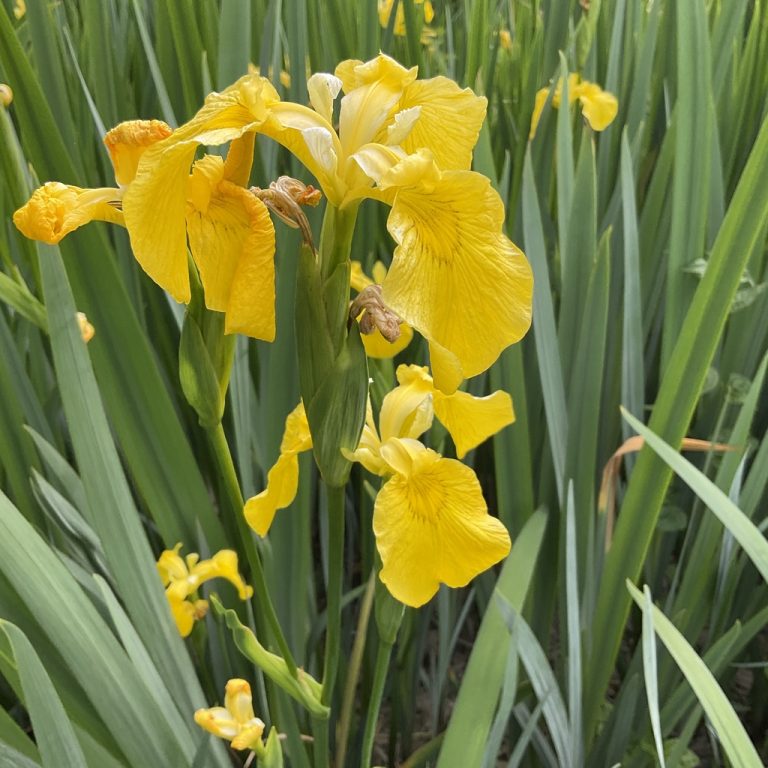
Yellow Flag Iris
capsules hold about 120 seeds that harden and turn brown
Iris pseudacorus
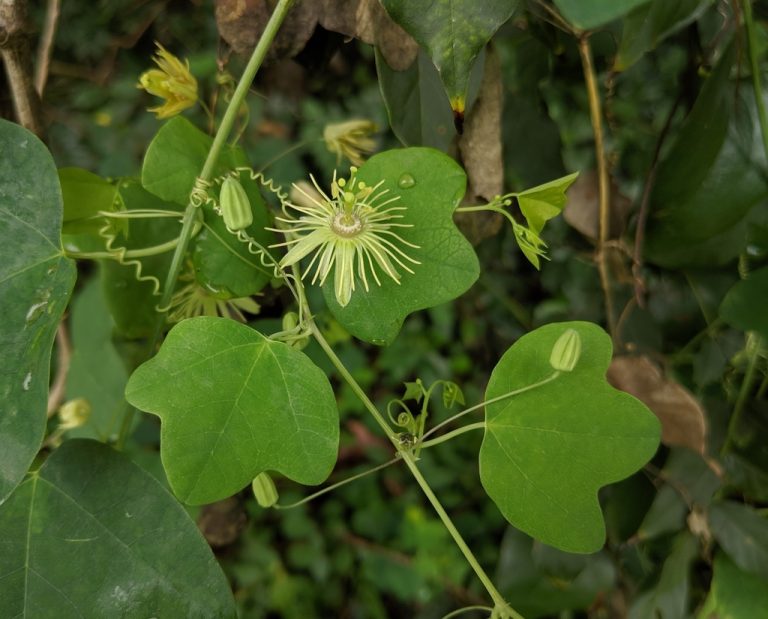
Yellow Passionflower
marble-size dark purple to black berries
Passiflora lutea
Fall color
American Beautyberry
leaves turn pale chartreuse to yellow
Callicarpa americana
American Beech
golden bronze; leaves often hang on into winter
Fagus grandifolia
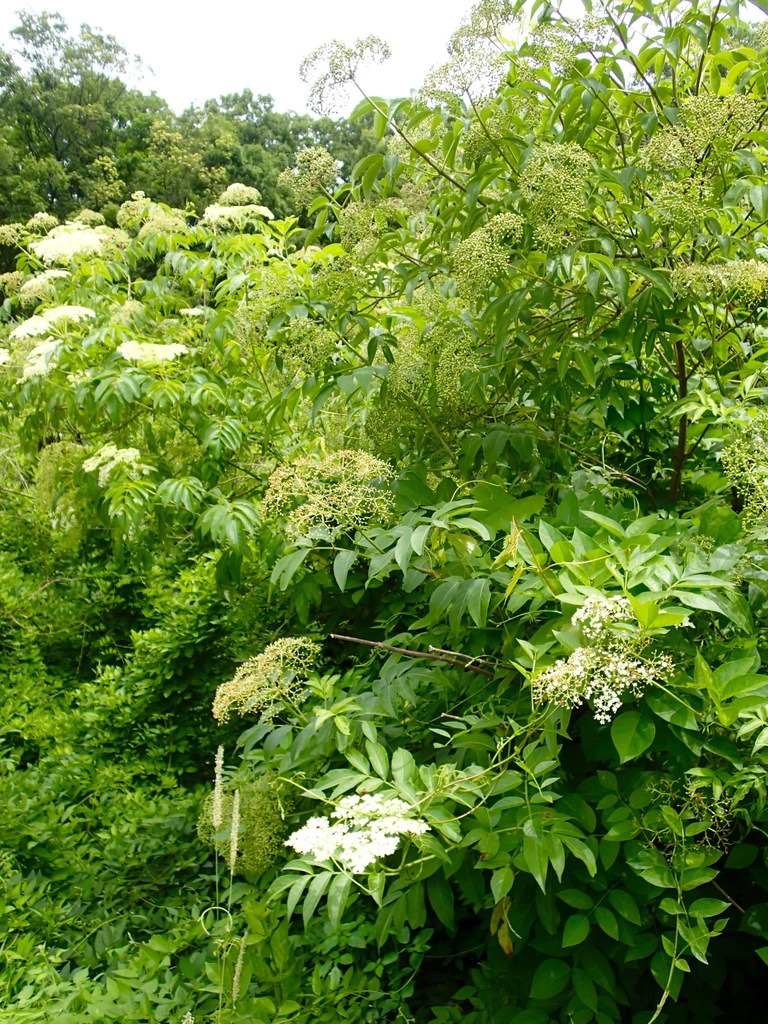
American Elderberry
leaves turn yellow
Sambucus canadensis
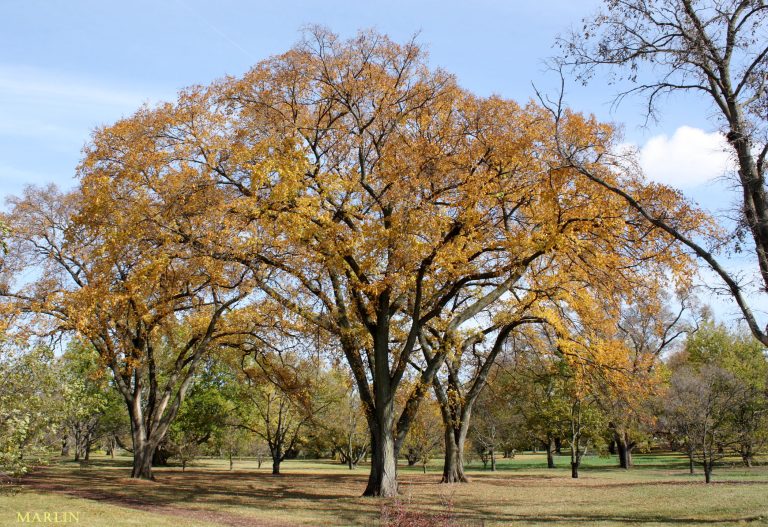
American Elm
an undistinguished yellow
Ulmus americana
Carolina Silverbell
yellow, but the leaves drop early
Halesia carolina
Eastern Redbud
yellow
Cercis canadensis
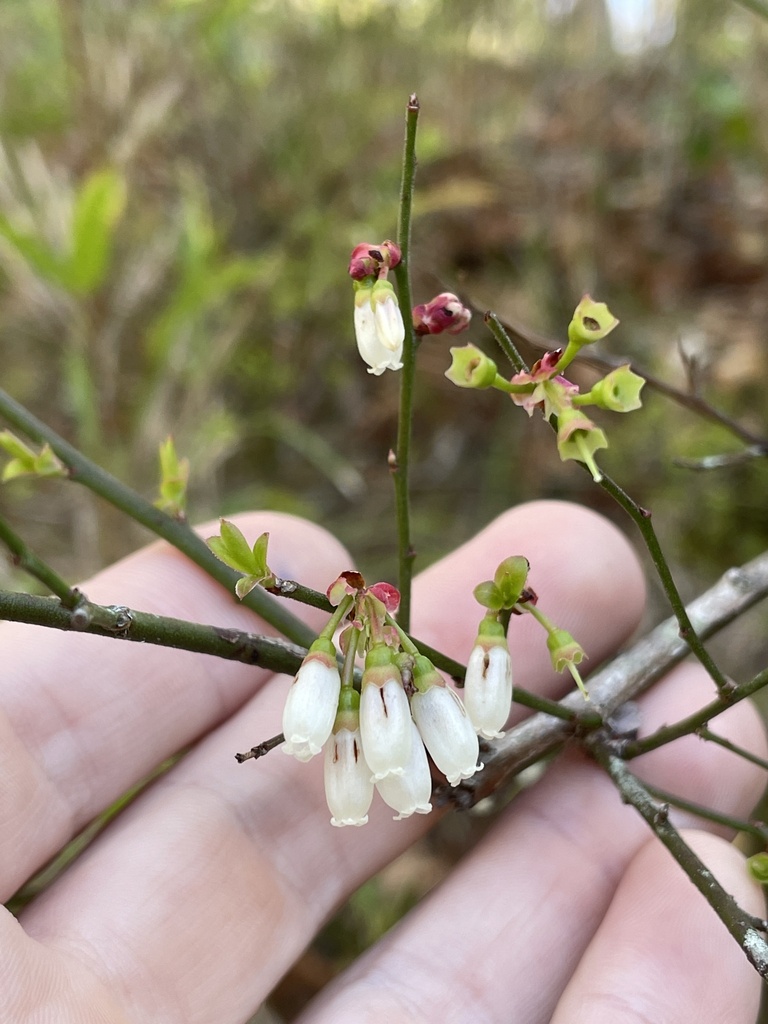
Elliott's Blueberry
scarlet red, holding well into winter
Vaccinium elliottii
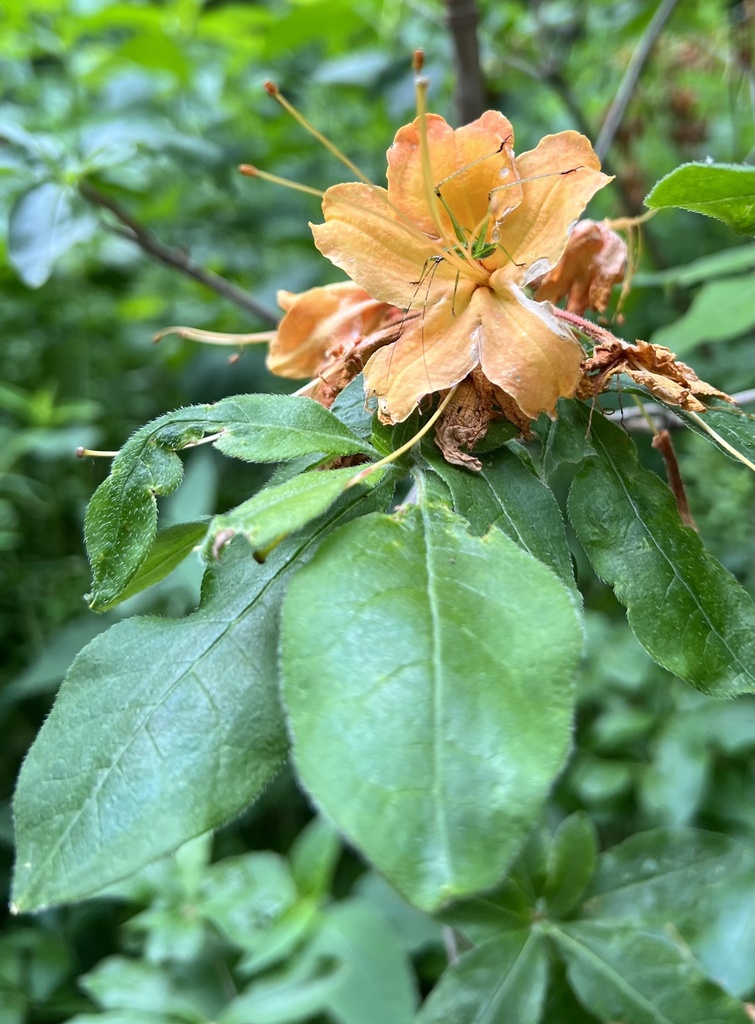
Flame Azalea
yellow-red
Rhododendron calendulaceum
Flowering Dogwood
red to reddish purple
Cornus florida
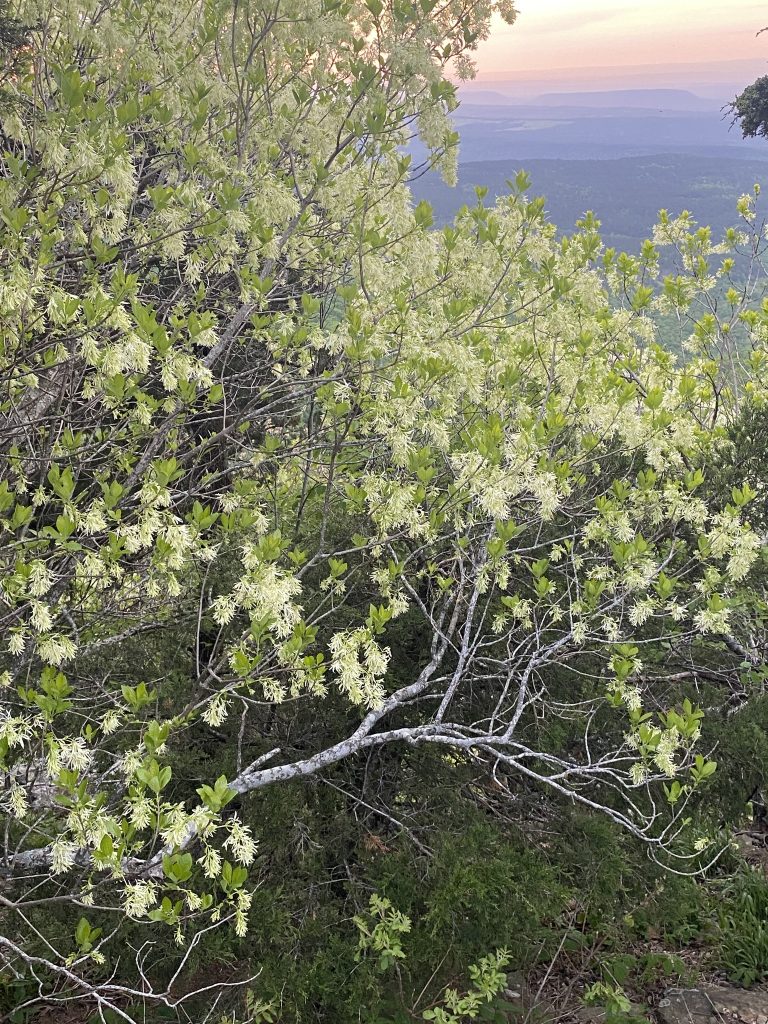
Fringe Tree
yellow, often not showy
Chionanthus virginicus
Green Ash
yellow to bronze
Fraxinus pennsylvanica
Inland Wood Oats
leaves turn yellow-gold in sun
Chasmanthium latifolium
Nandina
leaves often turn purplish-red, though not dependably
Nandina domestica
Piedmont Azalea
burgundy red
Rhododendron canescens
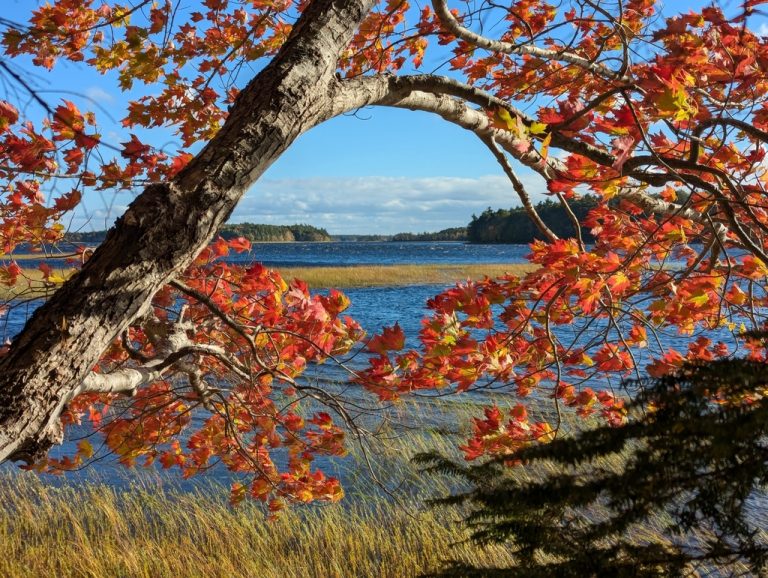
Red Maple
red, orange and yellow
Acer rubrum
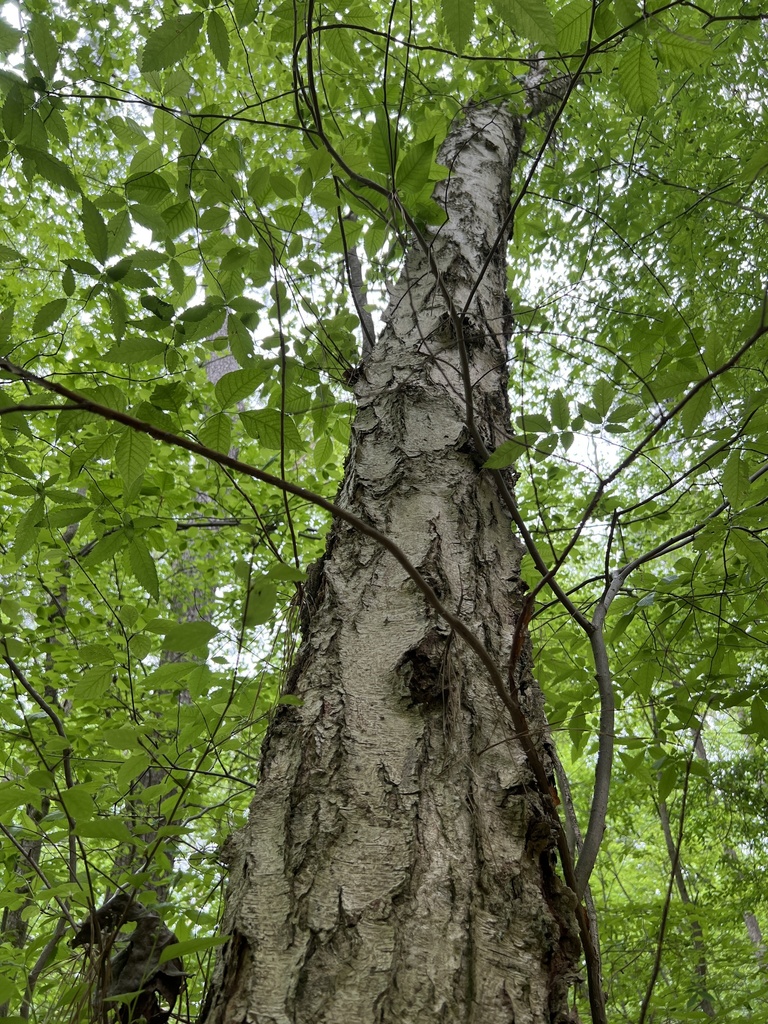
River Birch
modest yellow; leaves drop early and quickly
Betula nigra
Smooth Azalea
orange to crimson or purple
Rhododendron arborescens
Sourwood
scarlet to crimson in early fall, among the first trees to color
Oxydendrum arboreum
Tulip Tree
golden yellow
Liriodendron tulipfera
Willow Oak
yellowish orange-brown to red-brown, not showy
Quercus phellos
Nesting and raising young
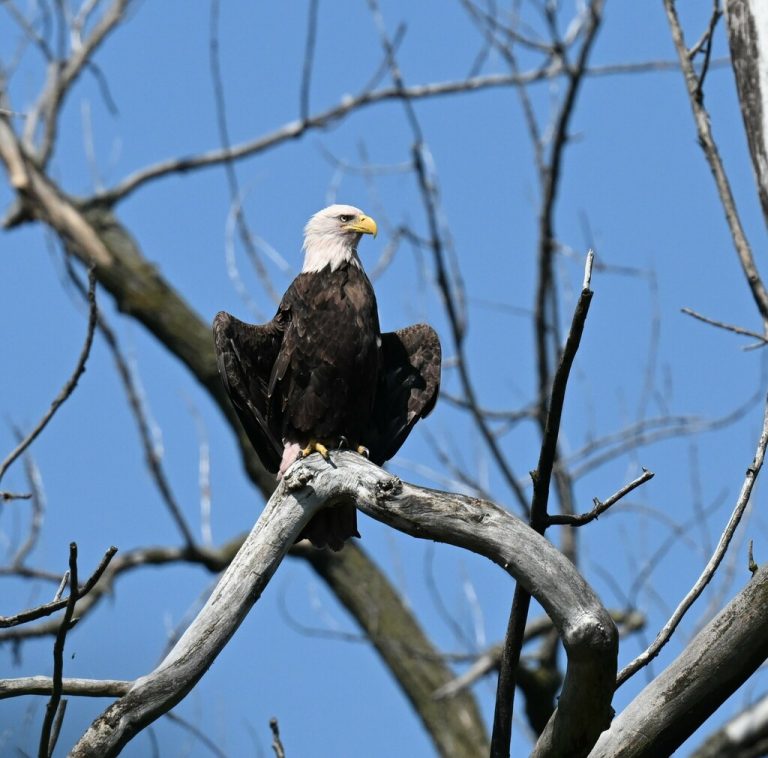
Bald Eagle
Georgia: eggs Nov-Feb, hatch Jan-Feb, young fledge late March to early May
Haliaeetus leucocephalus
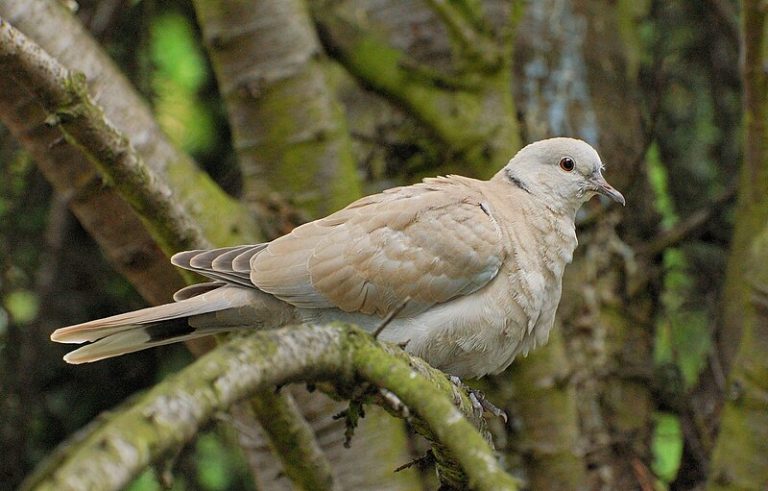
Eurasian Collared-Dove
3-4 broods a year; can nest in any month with enough food
Streptopelia decaocto
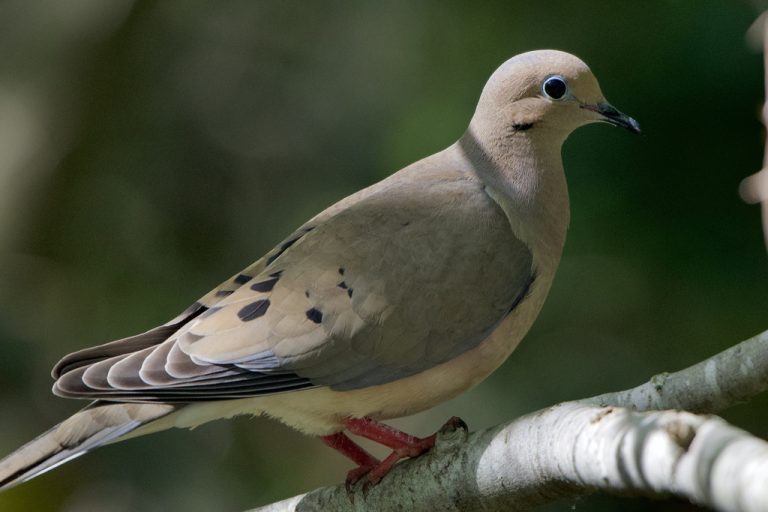
Mourning Dove
peaks May into July; Georgia doves average three nestings a year
Zenaida macroura
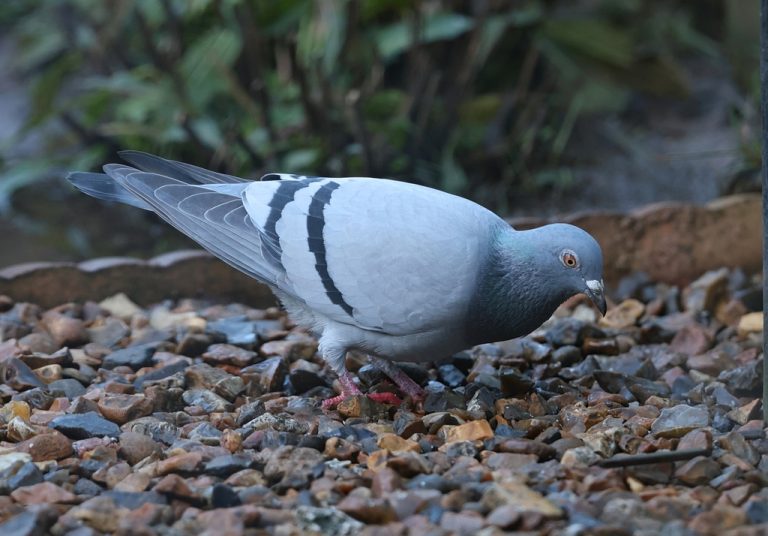
Rock Pigeon
can nest in every month of the year
Columba livia
Breeding season
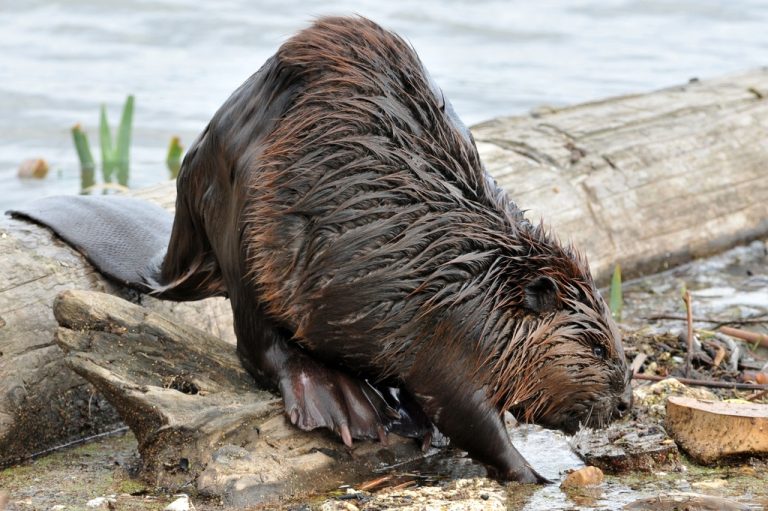
American Beaver
in Georgia beavers breed October through March; kits are born about 105-107 days later
Castor canadensis
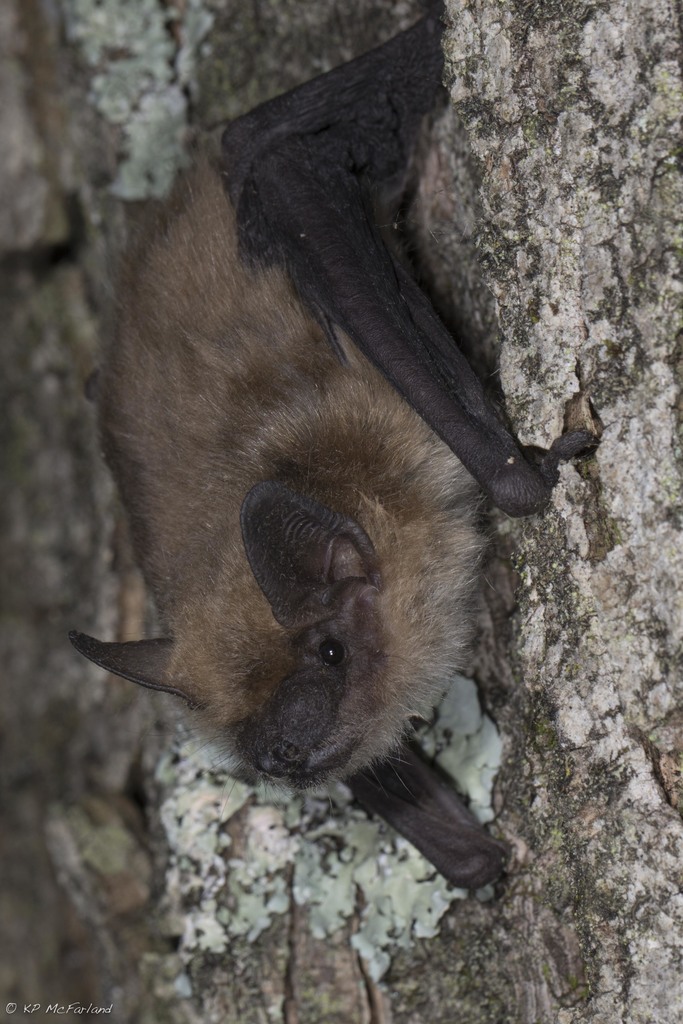
Big Brown Bat
mates in fall; females do not become pregnant until about early April
Eptesicus fuscus
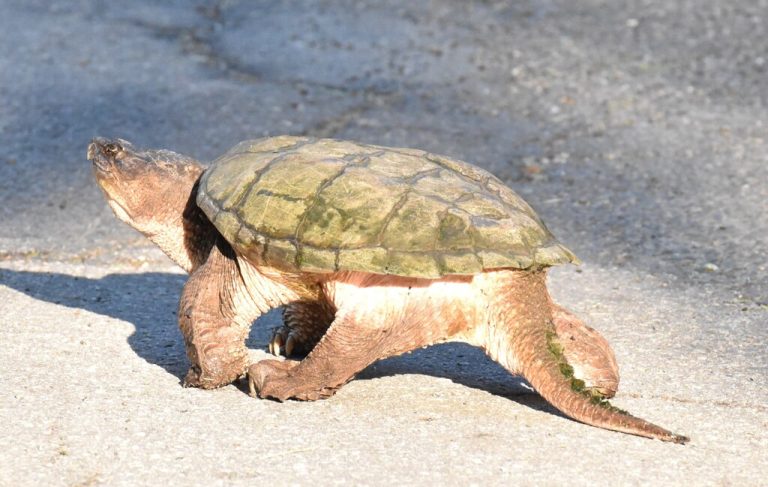
Common Snapping Turtle
Chelydra serpentina
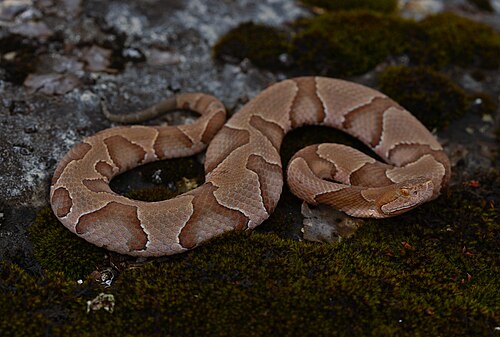
Copperhead
live young born late summer to early fall; newborns have a yellow tail tip
Agkistrodon contortrix
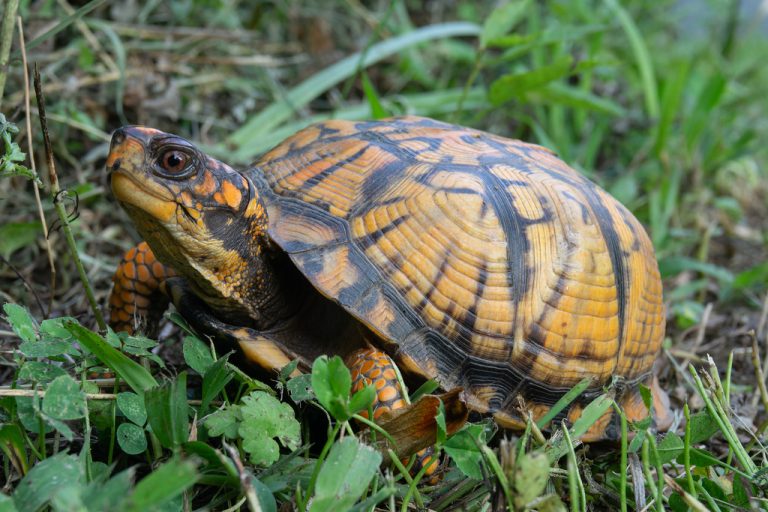
Eastern Box Turtle
most often seen in fall, when males search for females
Terrapene carolina carolina
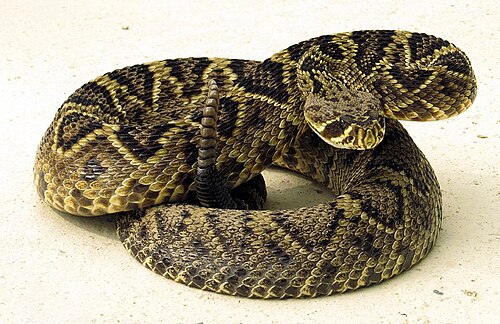
Eastern Diamond-backed Rattlesnake
live young born the following year, late July to early October
Crotalus adamanteus
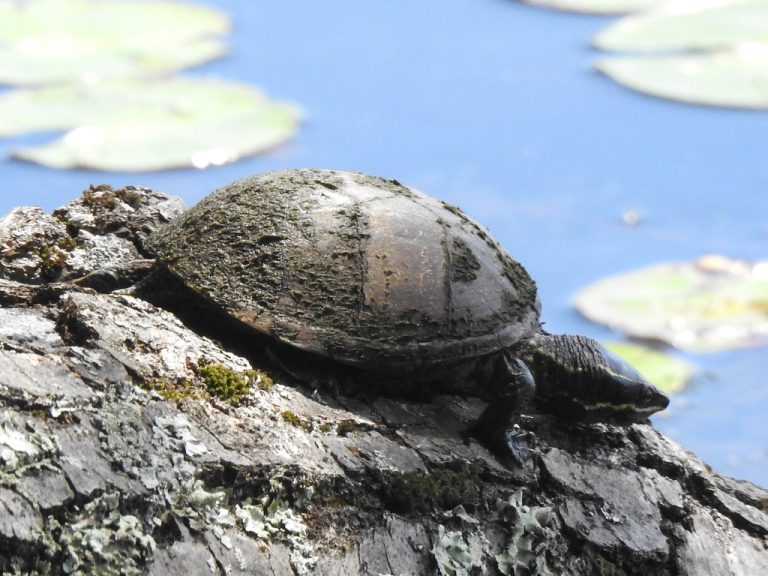
Eastern Musk Turtle
Sternotherus odoratus
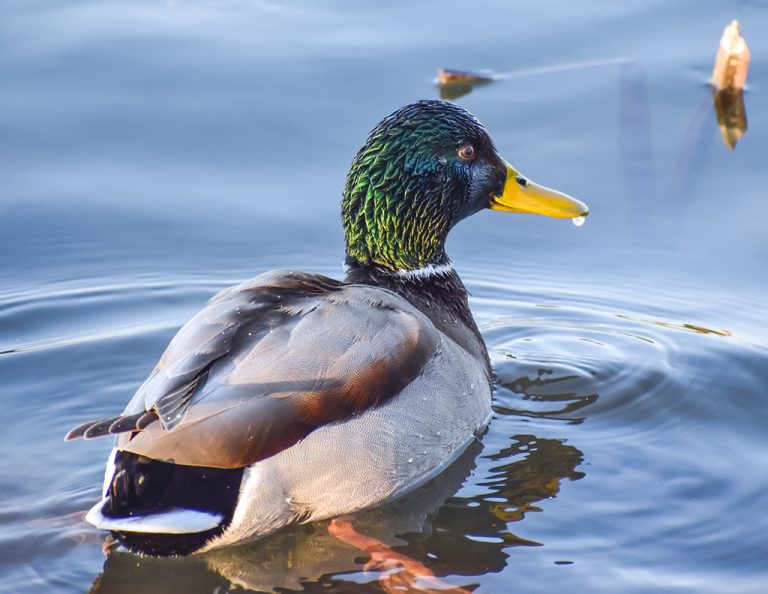
Mallard
males court females with head-shakes and wing-flaps; several may display around one female
Anas platyrhynchos
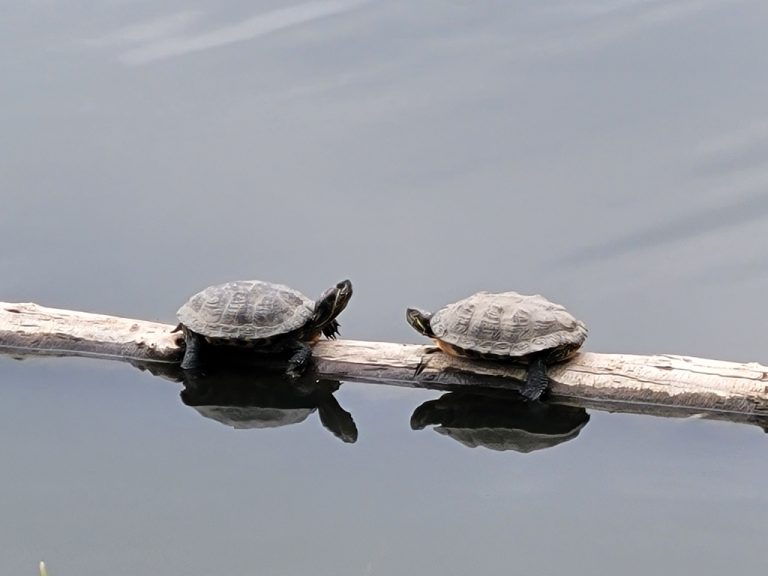
Pond Slider
mates in spring, fall and winter in South Carolina
Trachemys scripta
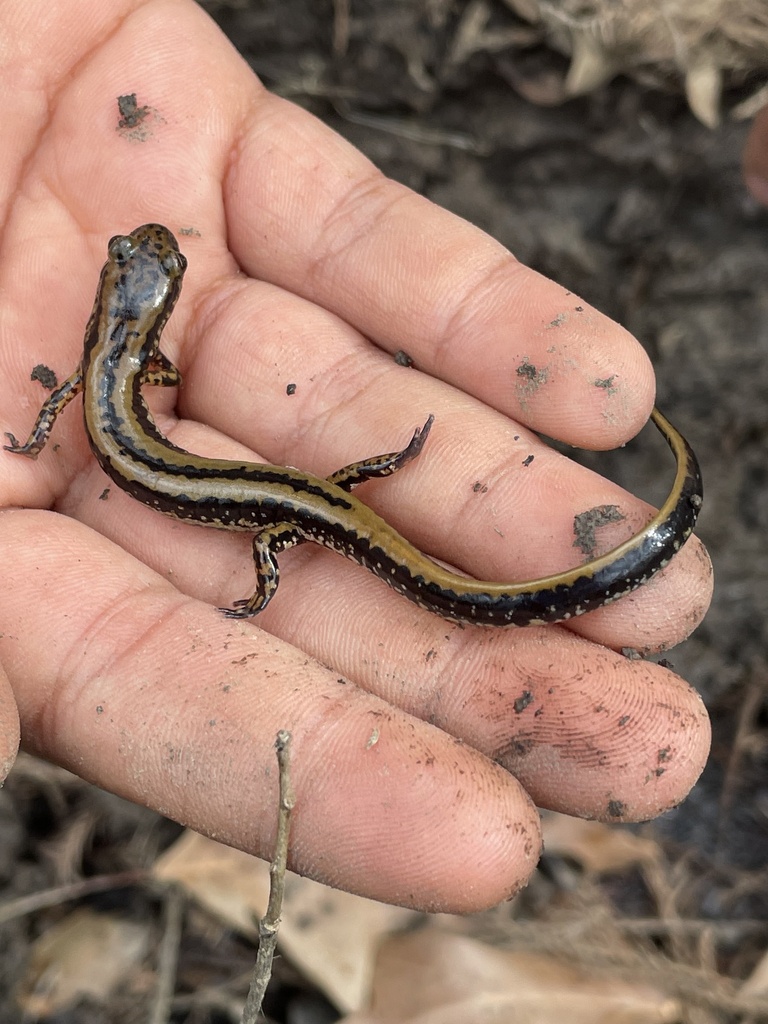
Three-lined Salamander
breeds in fall and winter; the eggs are rarely seen
Eurycea guttolineata
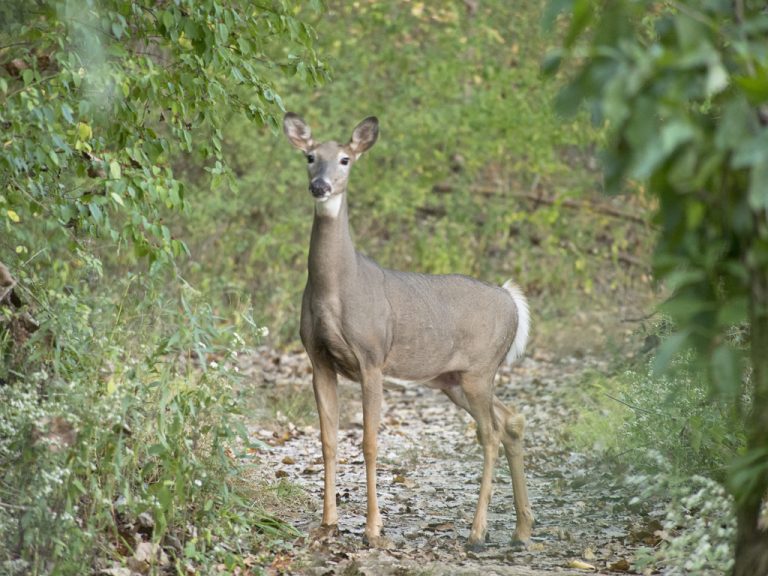
White-tailed Deer
Columbia County's rut peaks about Oct 20-26; bucks move more and cross roads
Odocoileus virginianus
Calling
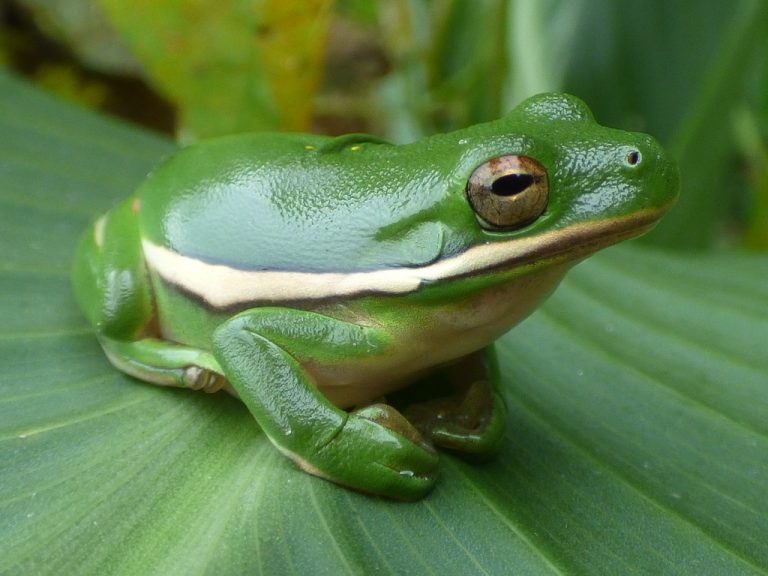
American Green Treefrog
males call a nasal, duck-like 'queenk' from plants at pond and swamp edges
Hyla cinerea
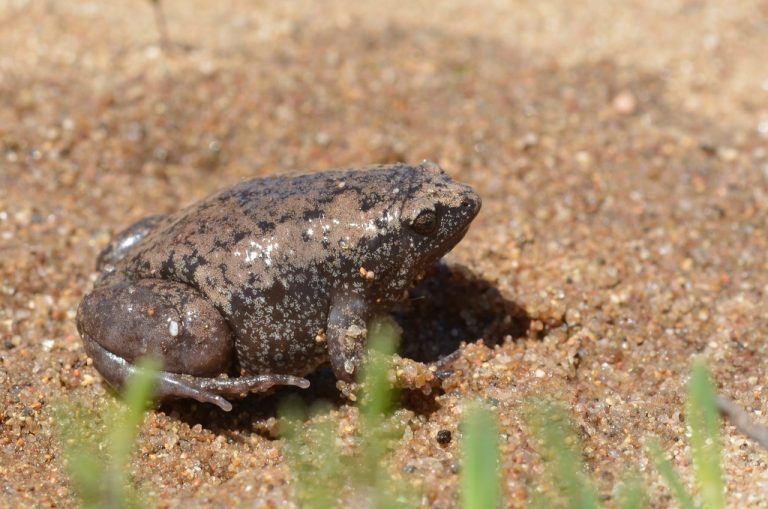
Eastern Narrow-mouthed Toad
heavy rains on warm nights set off a nasal, bleating 'waaah' from shallow pools
Gastrophryne carolinensis
Emerging
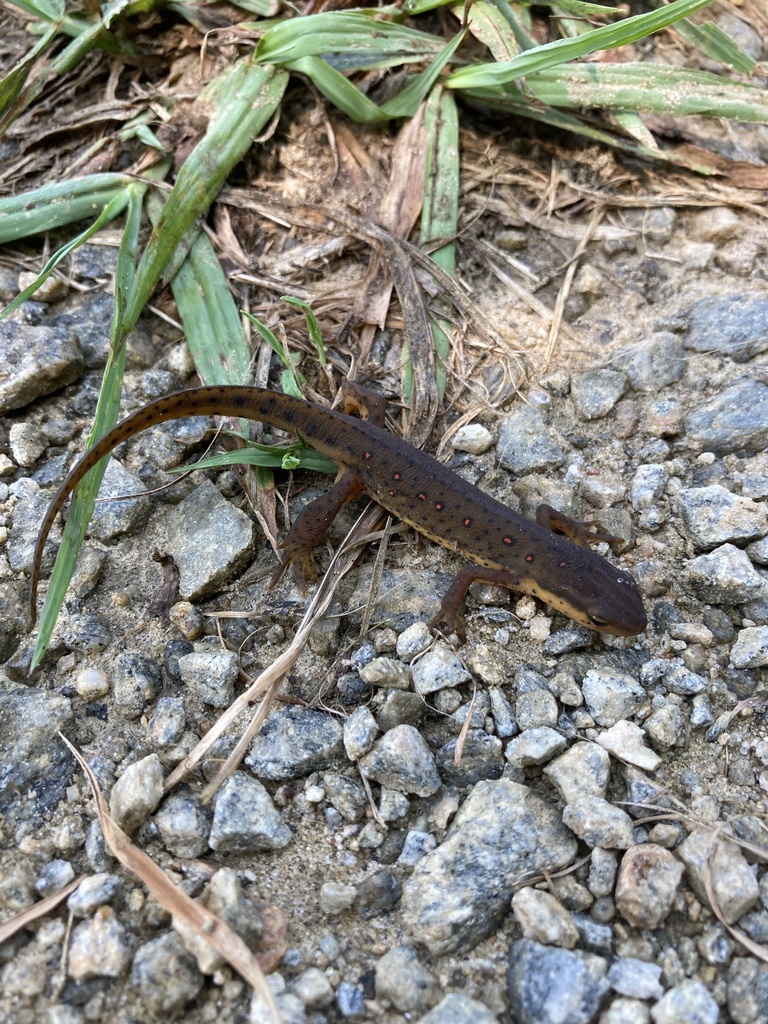
Eastern Newt
young orange efts leave the water for the forest floor in late summer or early fall
Notophthalmus viridescens
Arriving
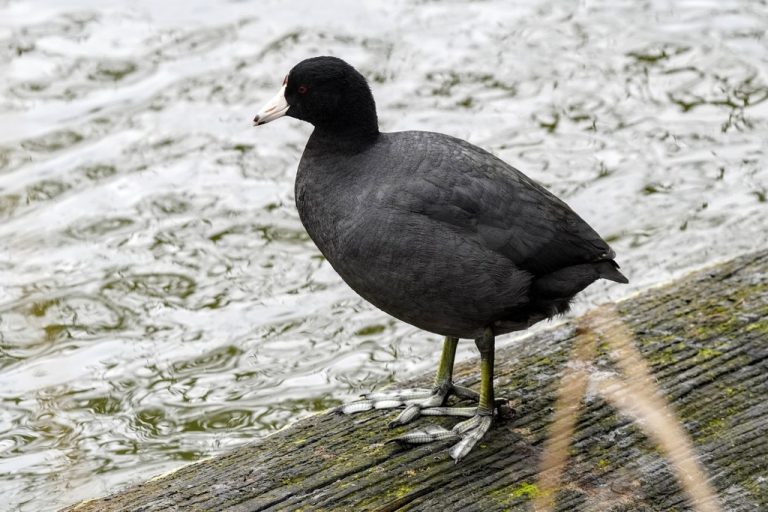
American Coot
first winter coots reported in mid-October; Carolina birds arrive late Sep-early Oct
Fulica americana
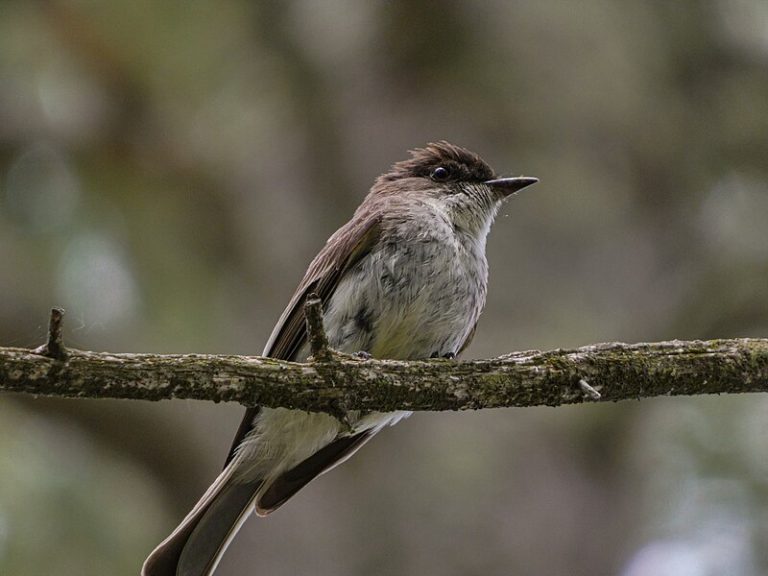
Eastern Phoebe
northern phoebes arrive for winter; county reports peak in October
Sayornis phoebe
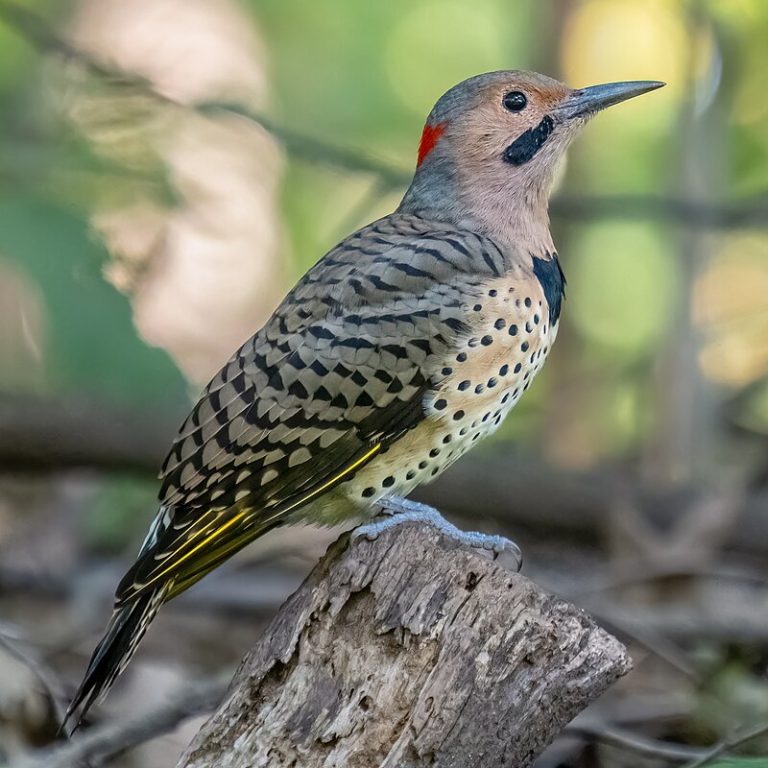
Northern Flicker
northern migrants join the residents; local sightings peak October-November
Colaptes auratus
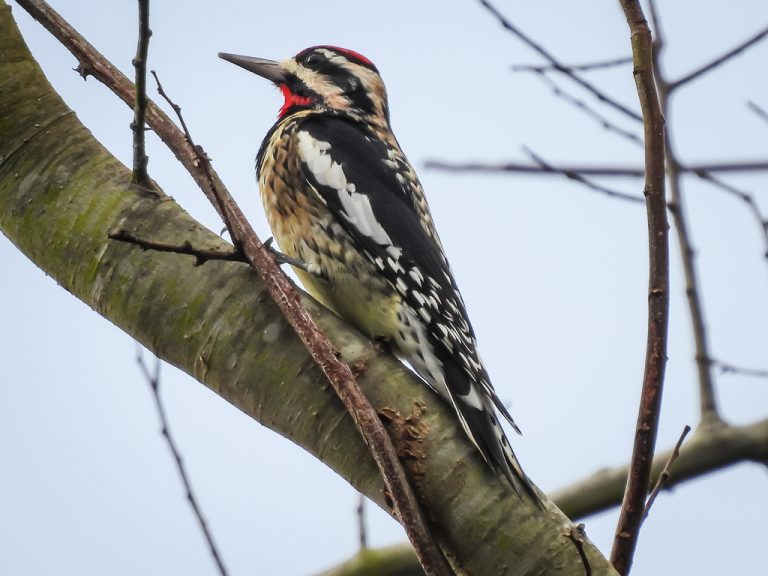
Yellow-bellied Sapsucker
arrives very late September or early October
Sphyrapicus varius
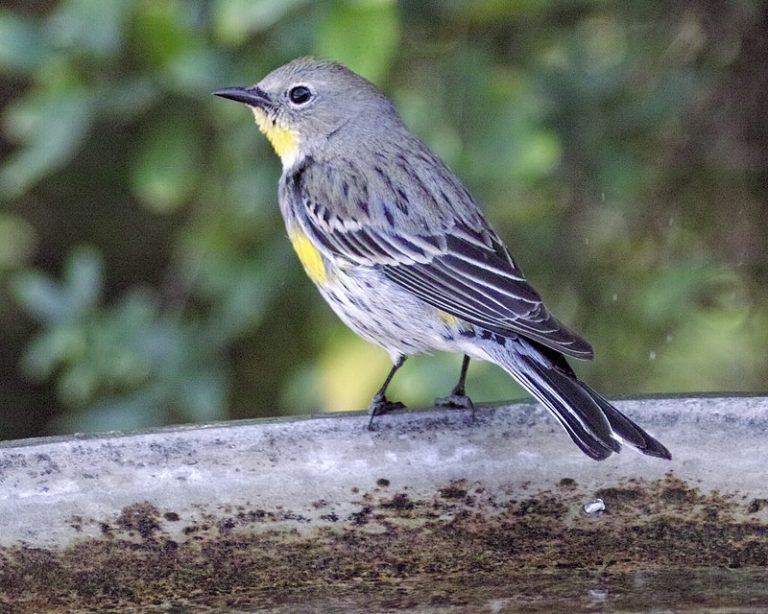
Yellow-rumped Warbler
numbers build through October
Setophaga coronata
Passing through
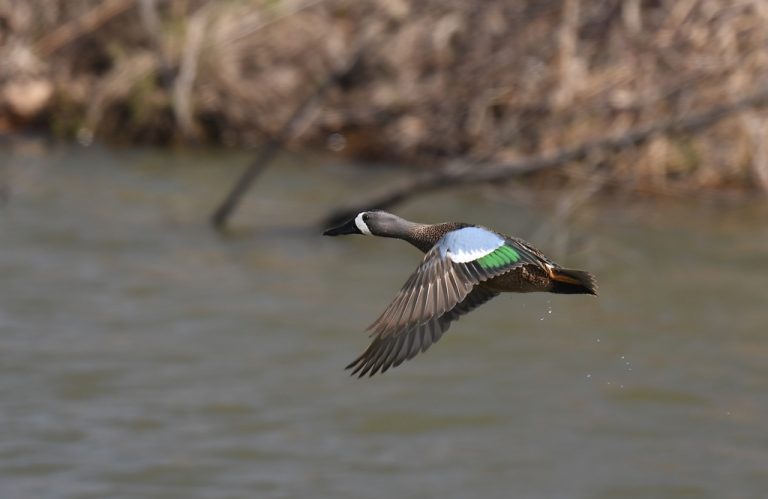
Blue-winged Teal
early fall migrant: first birds late August, peak September to early October
Spatula discors
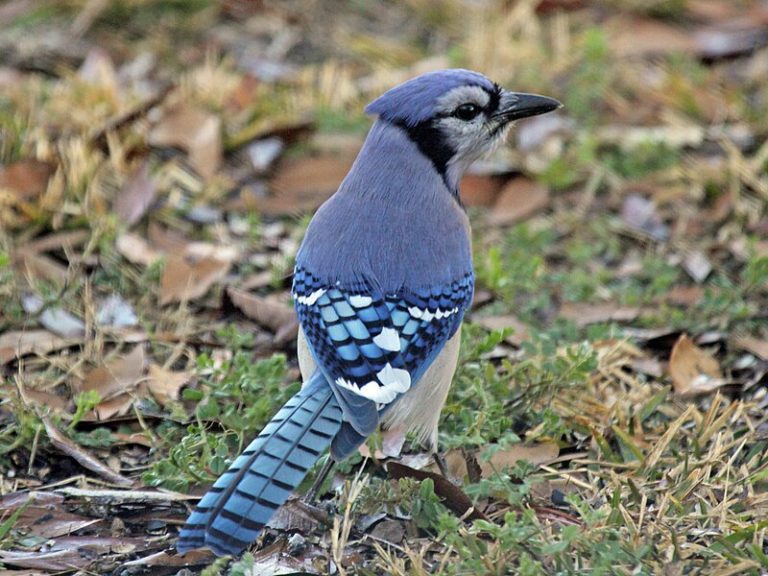
Blue Jay
migrant jays from the north join locals; county reports peak late Sep-Oct
Cyanocitta cristata
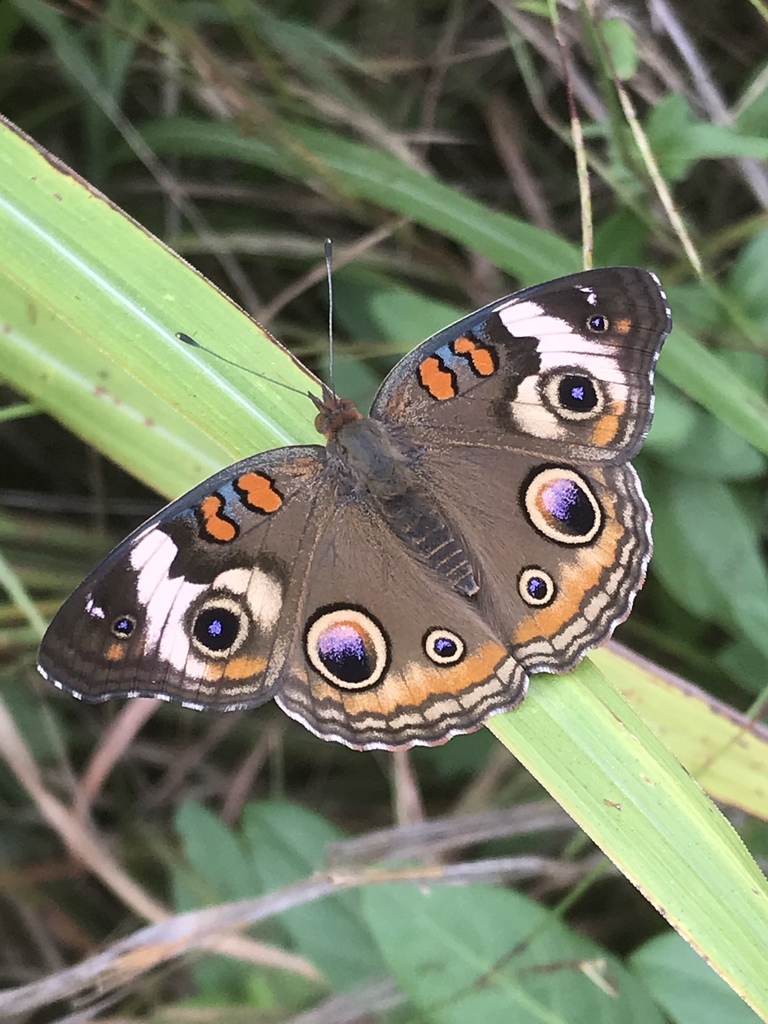
Common Buckeye
buckeyes from farther north move south after September-October cold fronts
Junonia coenia
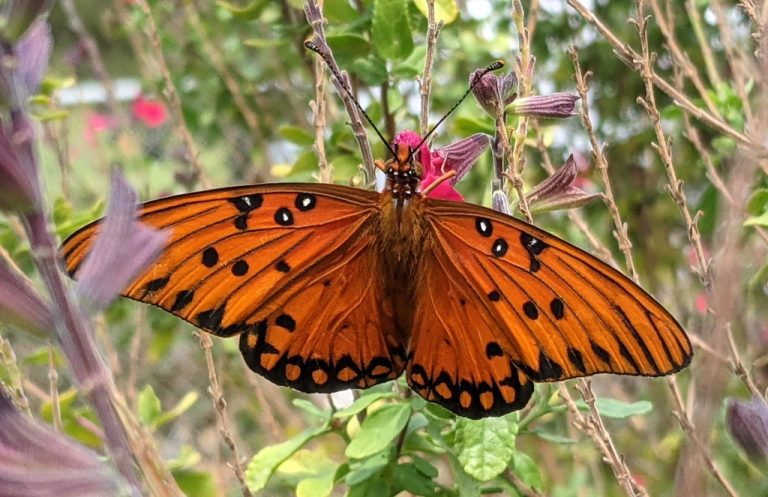
Gulf Fritillary
big southward flights toward Florida from late summer through fall
Dione vanillae
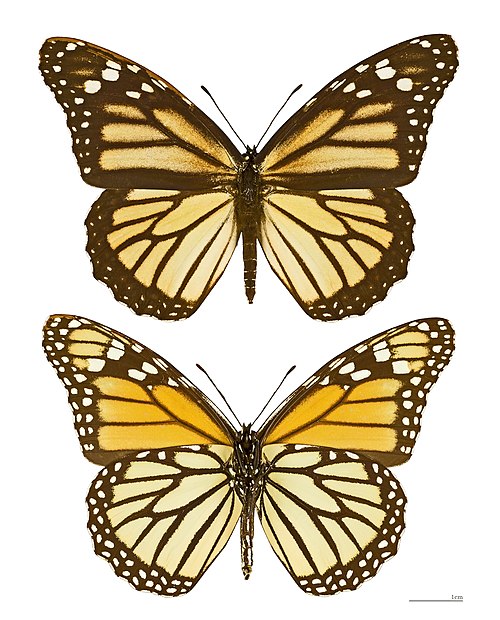
Monarch Butterfly
fall migrants head for Mexico; asters and goldenrods fuel them in Sep-Oct
Danaus plexippus
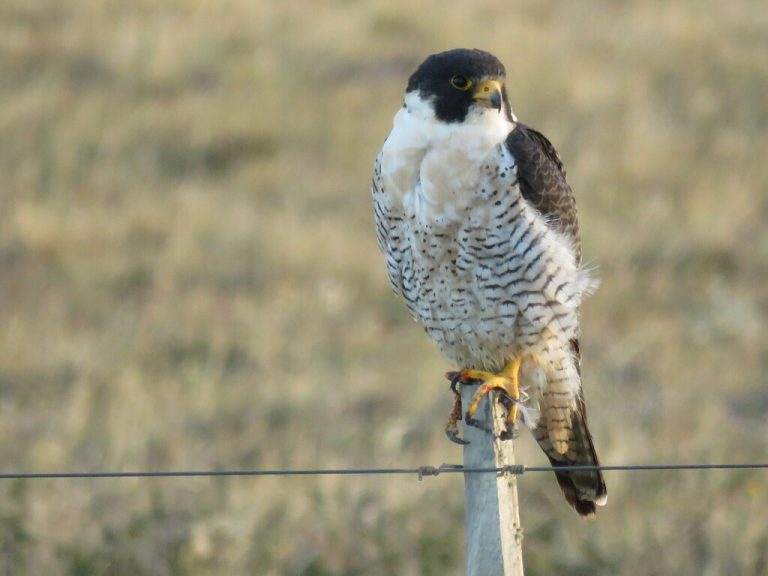
Peregrine Falcon
rare; local records fall between mid-September and mid-November
Falco peregrinus
Leaving
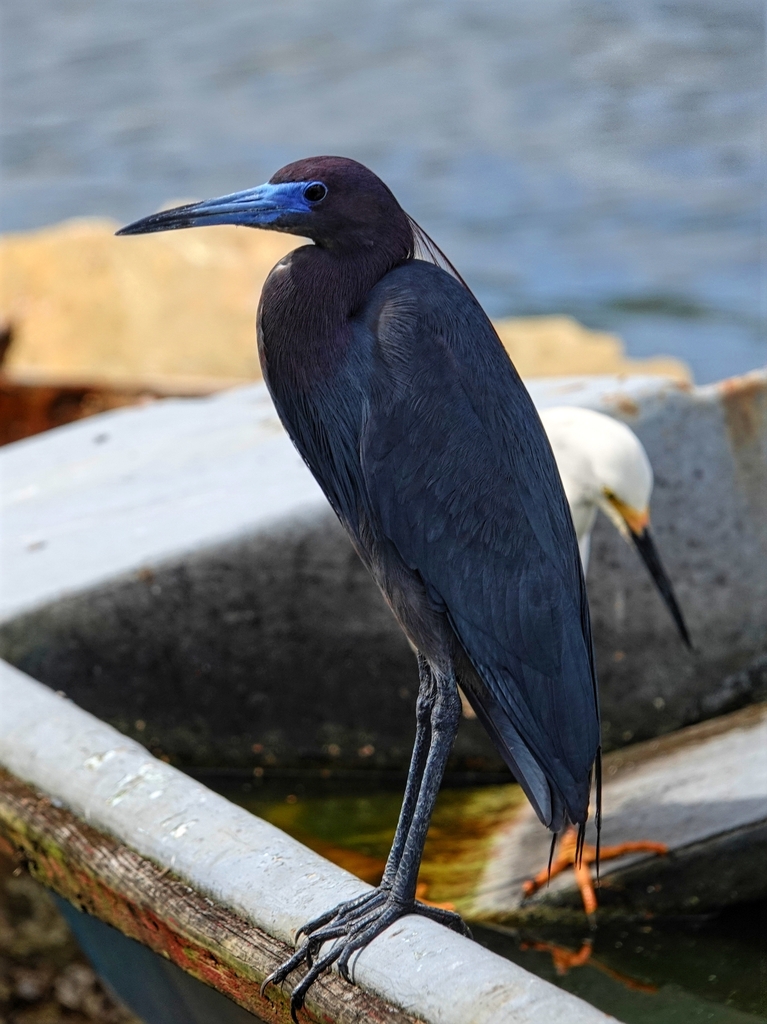
Little Blue Heron
Egretta caerulea
Dormant for the winter
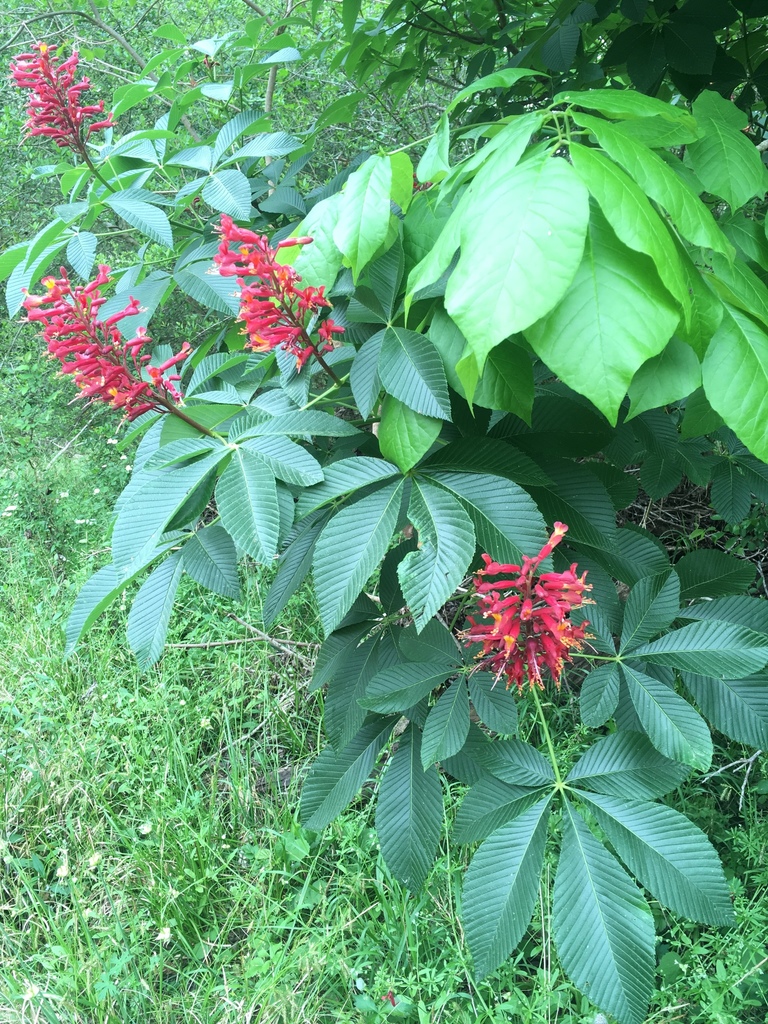
Red Buckeye
often drops its leaves in July-August heat; usually bare by the end of September
Aesculus pavia
Also around in October
Birds
-
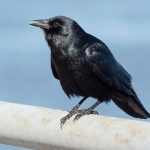
 American Crow
Corvus brachyrhynchos
American Crow
Corvus brachyrhynchos
-
American Goldfinch
Spinus tristis
-
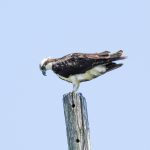
American Osprey
Pandion haliaetus carolinensis
-
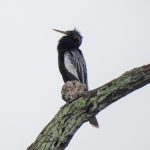
Anhinga
Anhinga anhinga leucogaster
-
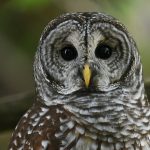
Barred Owl
Strix varia
-
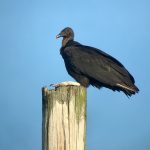
Black Vulture
Coragyps atratus
-
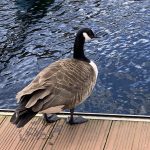
Canada Goose
Branta canadensis
-
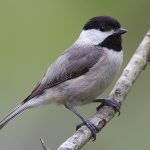
Carolina Chickadee
Poecile carolinensis
-
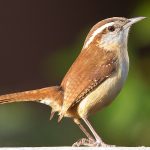
Carolina Wren
Thryothorus ludovicianus
-
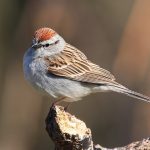
Chipping Sparrow
Spizella passerina
-
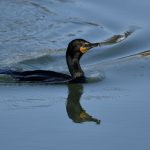
Double-crested Cormorant
Nannopterum auritum
-
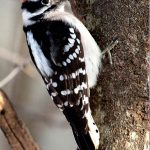
Downy Woodpecker
Dryobates pubescens
-
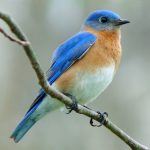
Eastern Bluebird
Sialia sialis
-
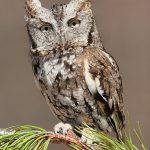
Eastern Screech-Owl
Megascops asio
-
Fish Crow
Corvus ossifragus
-
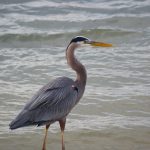
Great Blue Heron
Ardea herodias
-
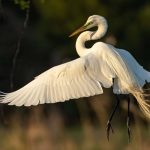
Great Egret
Ardea alba
-
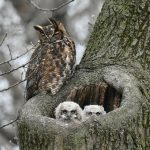
Great Horned Owl
Bubo virginianus
-
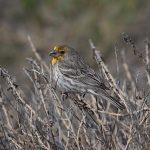
House Finch
Haemorhous mexicanus
-
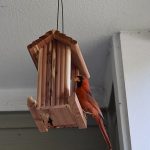
Northern Cardinal
Cardinalis cardinalis
-
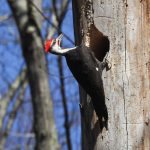
Pileated Woodpecker
Dryocopus pileatus
-
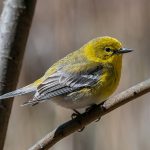
Pine Warbler
Setophaga pinus
-
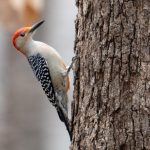
Red-bellied Woodpecker
Melanerpes carolinus
-
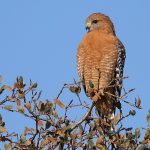
Red-shouldered Hawk
Buteo lineatus
-
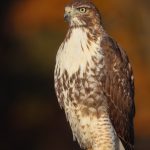
Red-tailed Hawk
Buteo jamaicensis
-
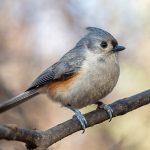
Tufted Titmouse
Baeolophus bicolor
-
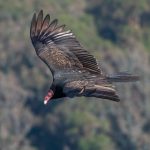
Turkey Vulture
Cathartes aura
-
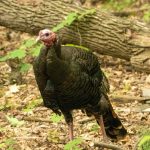
Wild Turkey
Meleagris gallopavo
-
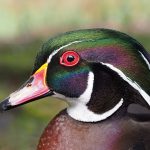
Wood Duck
Aix sponsa
Mammals
-
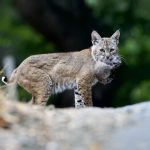
Bobcat
Lynx rufus
-
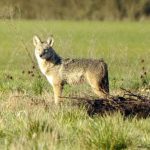
Coyote
Canis latrans
-
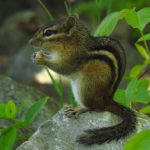
Eastern Chipmunk
Tamias striatus
-
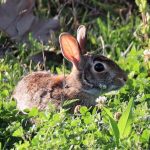
Eastern Cottontail Rabbit
Sylvilagus floridanus
-
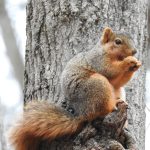
Eastern Fox Squirrel
Sciurus niger
-
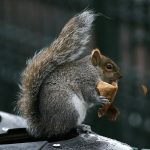
Eastern Gray Squirrel
Sciurus carolinensis
-
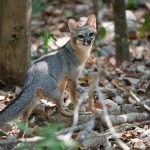
Gray Fox
Urocyon cinereoargenteus
-
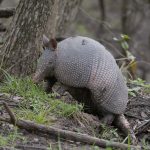
Nine-banded Armadillo
Dasypus novemcinctus
-
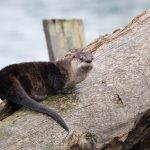
Northern River Otter
Lontra canadensis
-
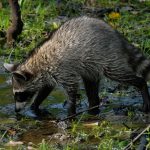
Raccoon
Procyon lotor
-
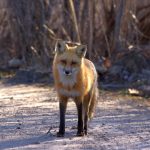
Red Fox
Vulpes vulpes
-
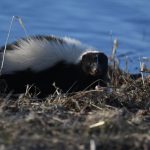
Striped Skunk
Mephitis mephitis
-
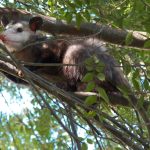
Virginia Opossum
Didelphis virginiana
Reptiles
-
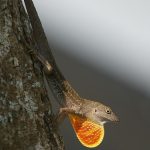
Brown Anole
Anolis sagrei
-
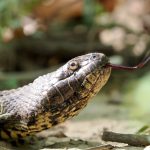
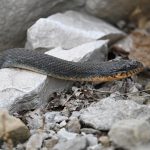
Brown Watersnake
Nerodia taxispilota
-
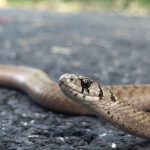
DeKay's Brownsnake
Storeria dekayi
-
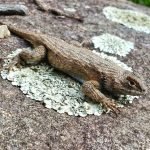
Eastern Fence Lizard
Sceloporus undulatus
-
Eastern Rat Snake
Pantherophis alleghaniensis
-
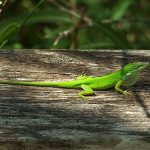
Green Anole
Anolis carolinensis
-
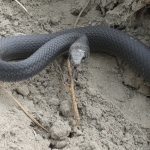
North American Racer
Coluber constrictor
-
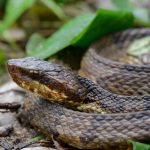
Northern Cottonmouth
Agkistrodon piscivorus
Dangerous
-
Plain-bellied Watersnake
Nerodia erythrogaster
-
River Cooter
Pseudemys concinna
-
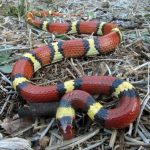
Scarlet Kingsnake
Lampropeltis elapsoides
-
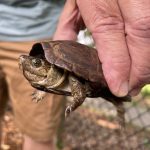
Southeastern Mud Turtle
Kinosternon subrubrum subrubrum
-
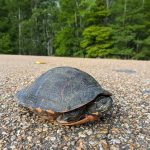
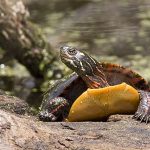
Southern Painted Turtle
Chrysemys dorsalis
-
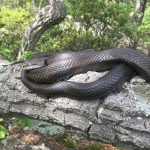
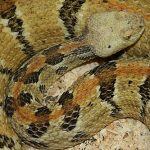
Timber Rattlesnake
Crotalus horridus
Dangerous
Amphibians
-
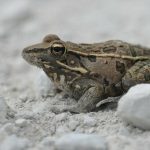
Southern Leopard Frog
Lithobates sphenocephalus
-
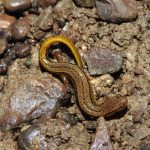
Southern Two-lined Salamander
Eurycea cirrigera
Fish
-
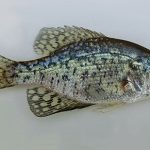
Black Crappie
Pomoxis nigromaculatus
-
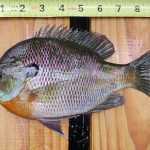
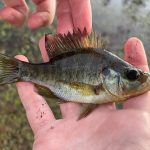
Bluegill
Lepomis macrochirus
-
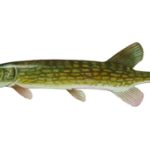
Chain Pickerel
Esox niger
-
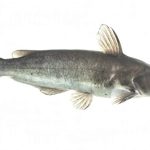
Channel Catfish
Ictalurus punctatus
-
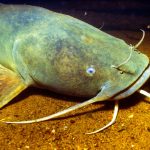
Flathead Catfish
Pylodictis olivaris
-
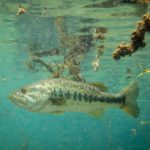
Largemouth Bass
Micropterus nigricans
-
Redear Sunfish
Lepomis microlophus
-
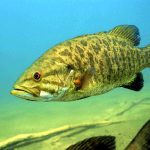
Smallmouth Bass
Micropterus dolomieu
Insects
-
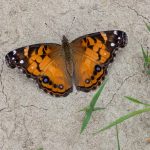
American Lady
Vanessa virginiensis
-
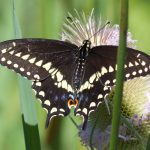
Black Swallowtail
Papilio polyxenes
-
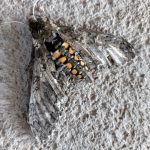
Carolina Sphinx
Manduca sexta
-
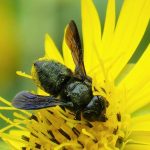
Carpenter-mimic Leafcutter Bee
Megachile xylocopoides
-
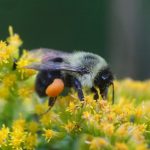
Common Eastern Bumblebee
Bombus impatiens
-
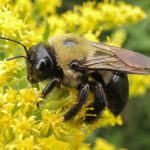
Eastern Carpenter Bee
Xylocopa virginica
-
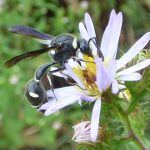
Fraternal Potter Wasp
Eumenes fraternus
-
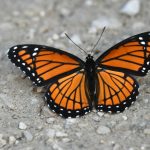
Viceroy
Limenitis archippus
-
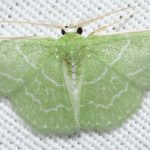
Wavy-lined Emerald
Synchlora aerata
Plants
-
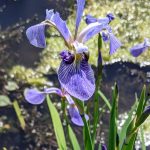
Blue Flag Iris
Iris virginica
-
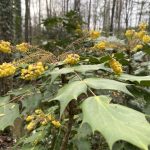
Leatherleaf Mahonia
Berberis bealei
-
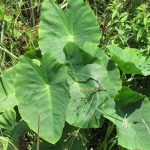
Taro
Colocasia esculenta
See every species, in any month, in the Wildlife Guide.