
What to look for in April
Species from our Wildlife Guide that you can find at River Island in April: what is in bloom, nesting, arriving or active first, then everything else that is around.
In bloom
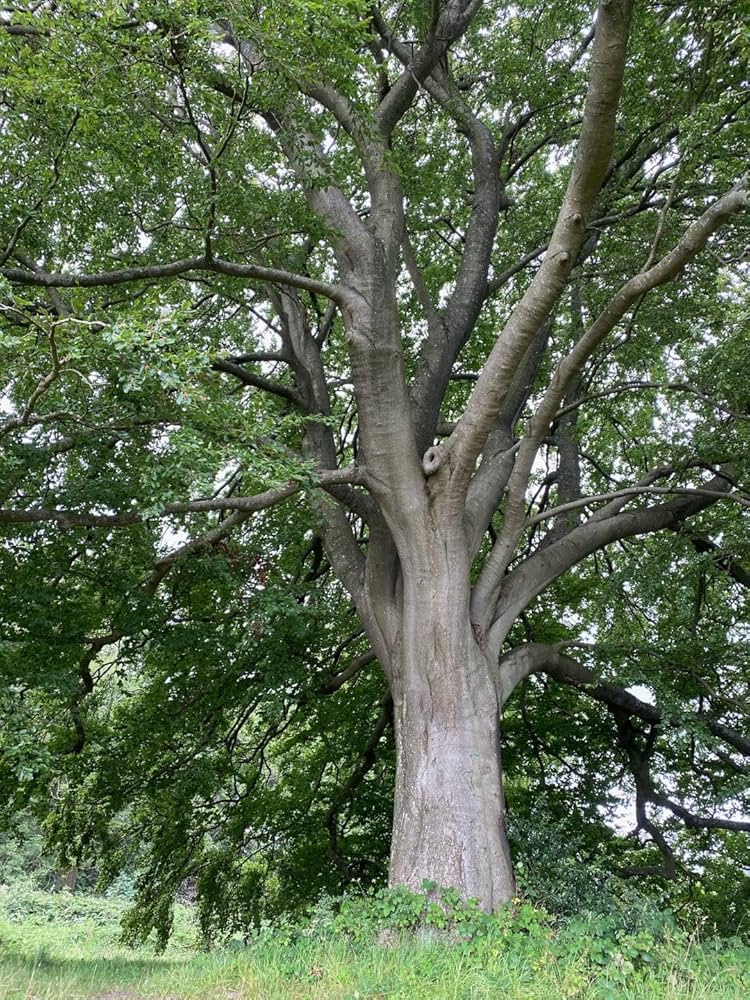
American Beech
yellowish-green flowers: male in drooping round heads, female in short spikes
Fagus grandifolia
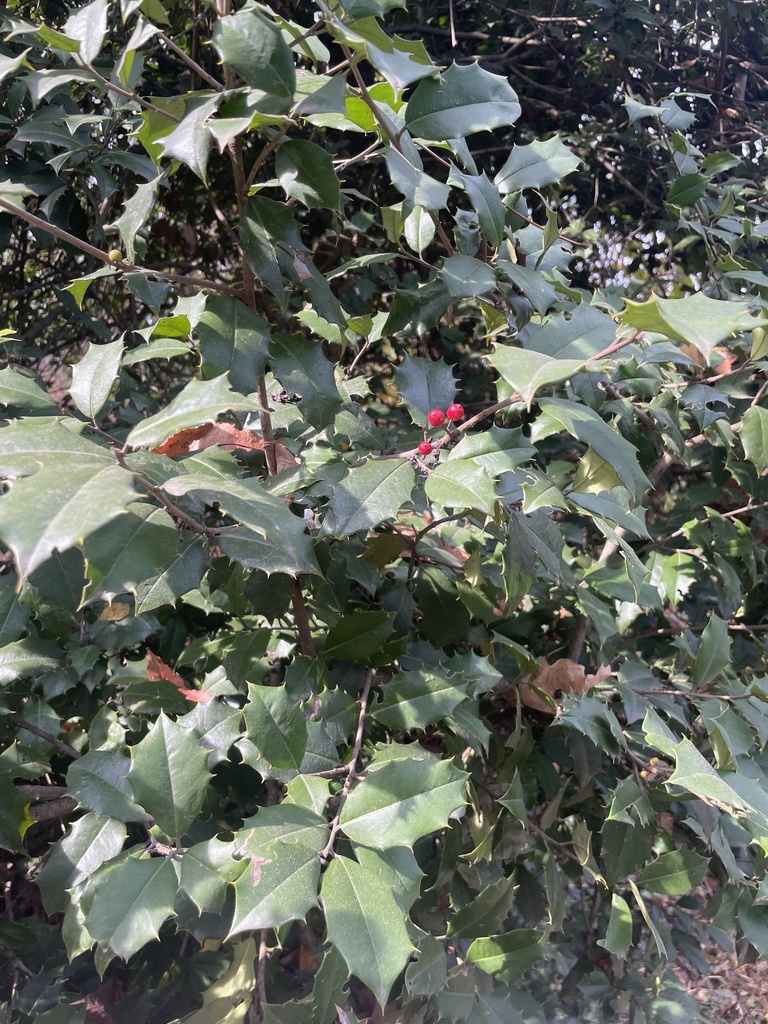
American Holly
small greenish-white flowers; only female trees bear berries
Ilex opaca
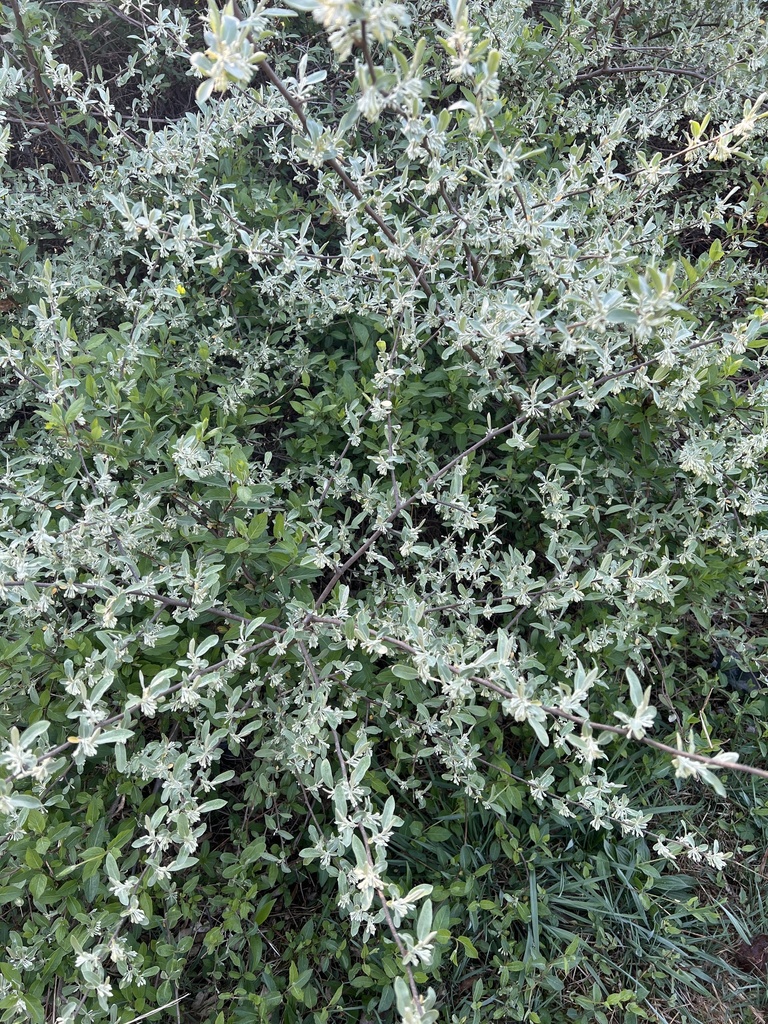
Autumn Olive
clusters of small, fragrant, white tubular flowers
Elaeagnus umbellata
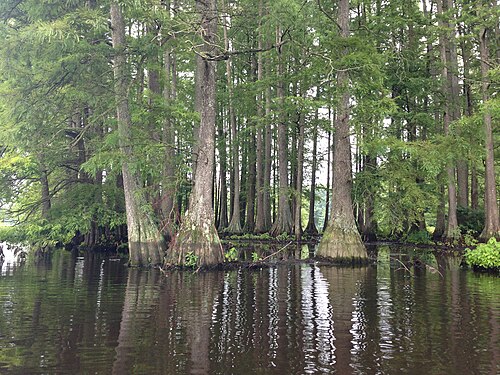
Bald Cypress
wind-pollinated; male cones hang in long drooping clusters and shed pollen
Taxodium distichum
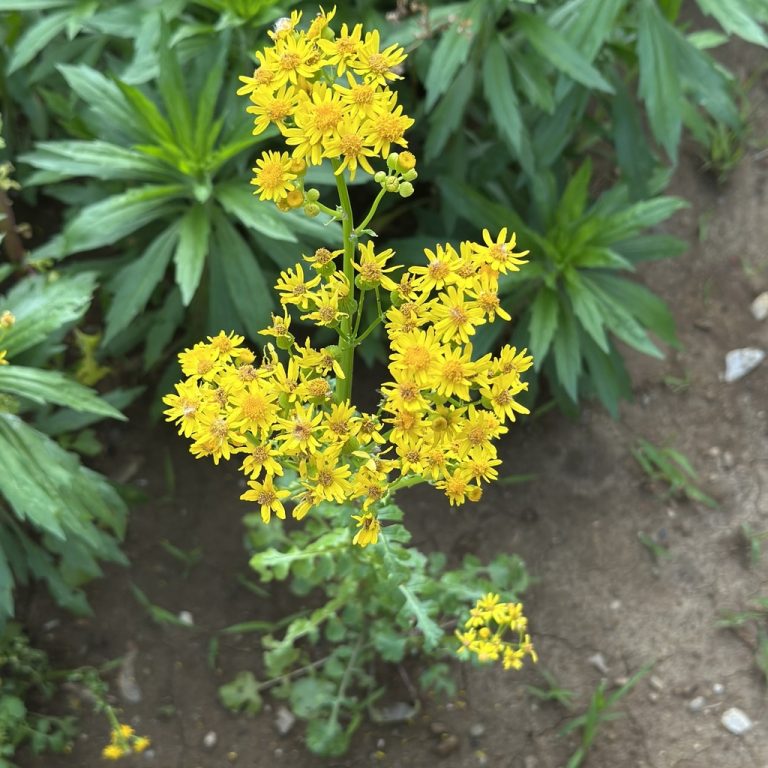
Butterweed
masses of yellow daisy-like flowers in wet ground; peak in early April
Packera glabella
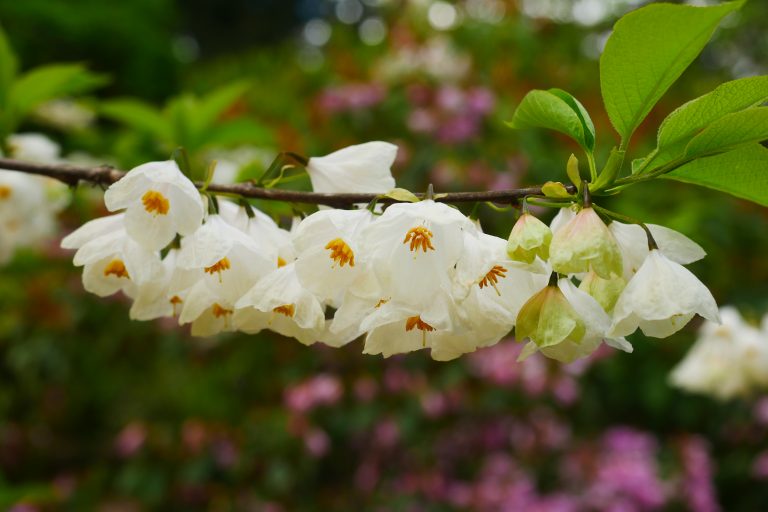
Carolina Silverbell
white, sometimes pink-tinged bells in drooping clusters of 2-5; bees and hummingbirds visit
Halesia carolina
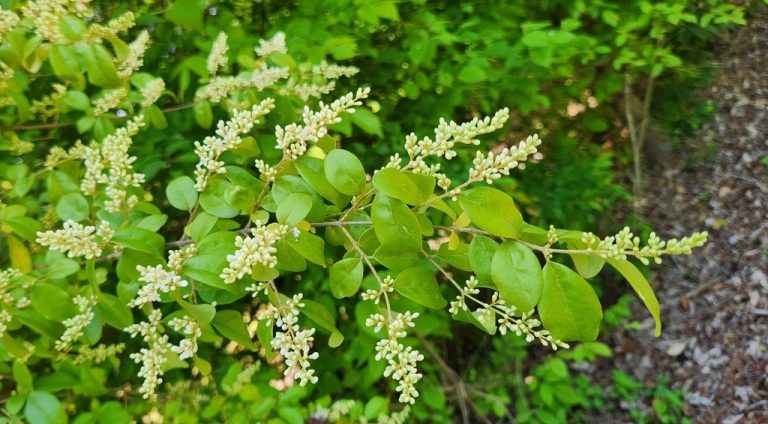
Chinese Privet
clusters of small white flowers with an unpleasant odor
Ligustrum sinense
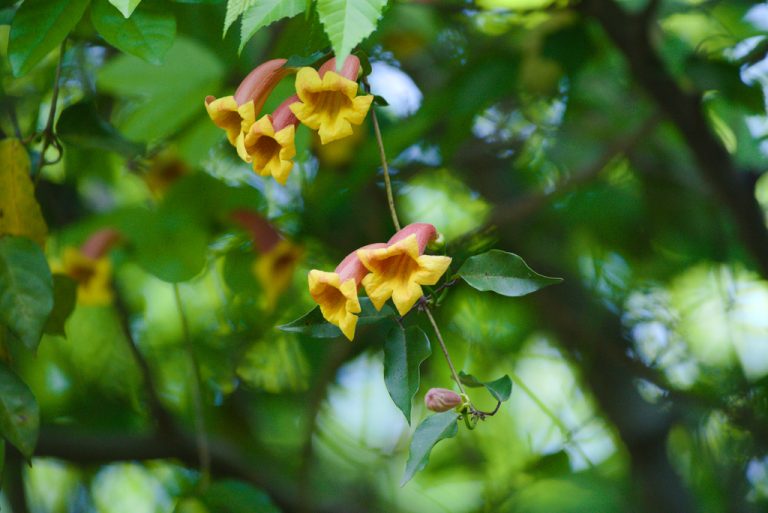
Crossvine
red-and-yellow trumpet flowers in clusters of 2-5; early nectar for hummingbirds
Bignonia capreolata
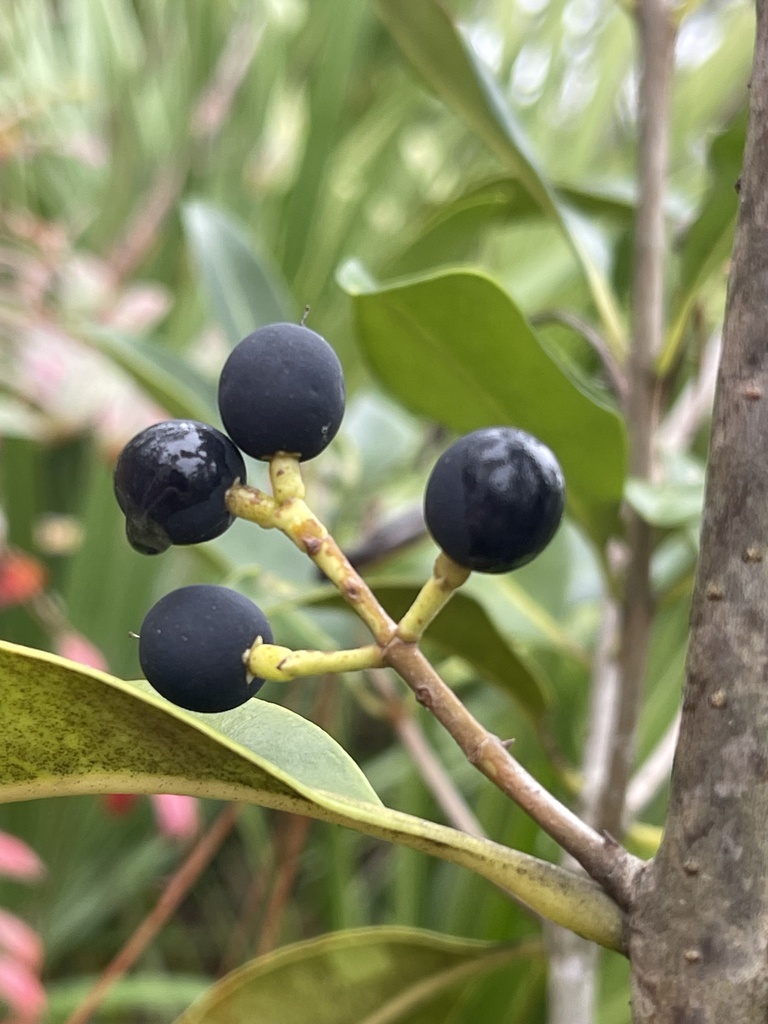
Devilwood
small, fragrant white tubular flowers
Cartrema americana
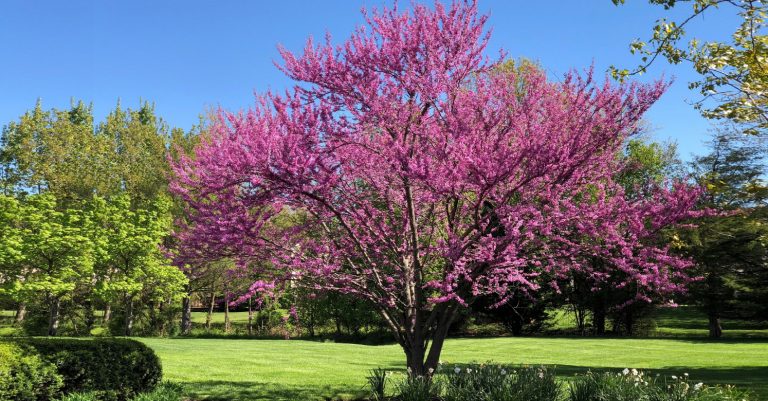
Eastern Redbud
pink to purple flowers cover bare twigs before the leaves; butterflies and bees nectar
Cercis canadensis
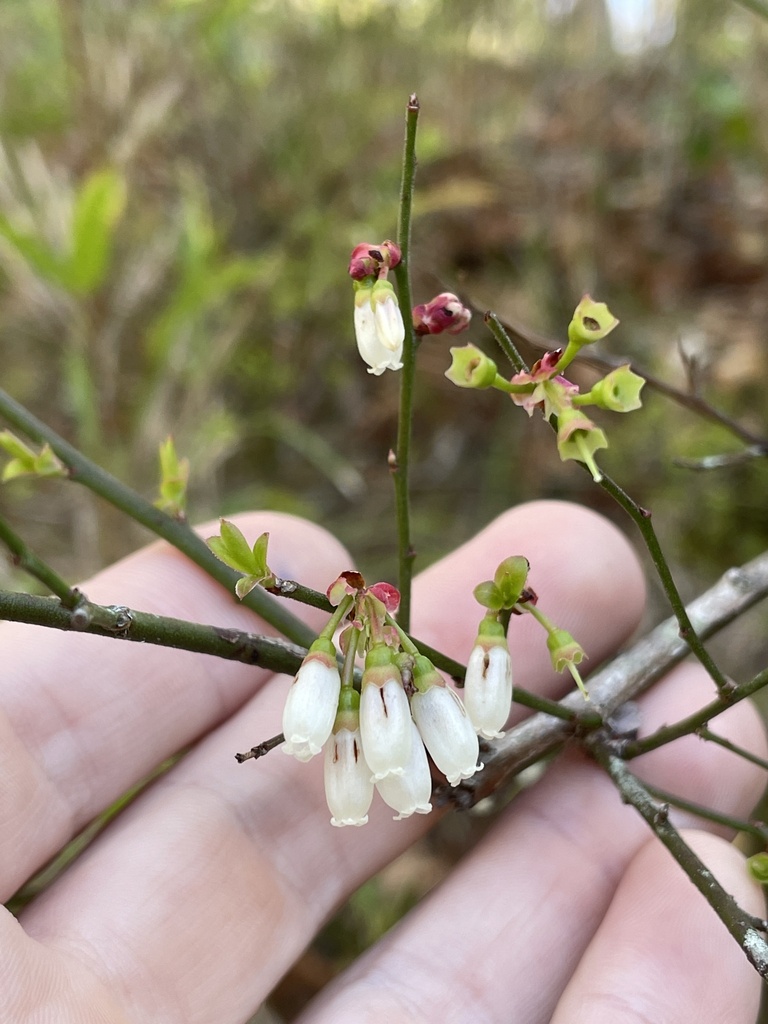
Elliott's Blueberry
small white to pink flowers
Vaccinium elliottii
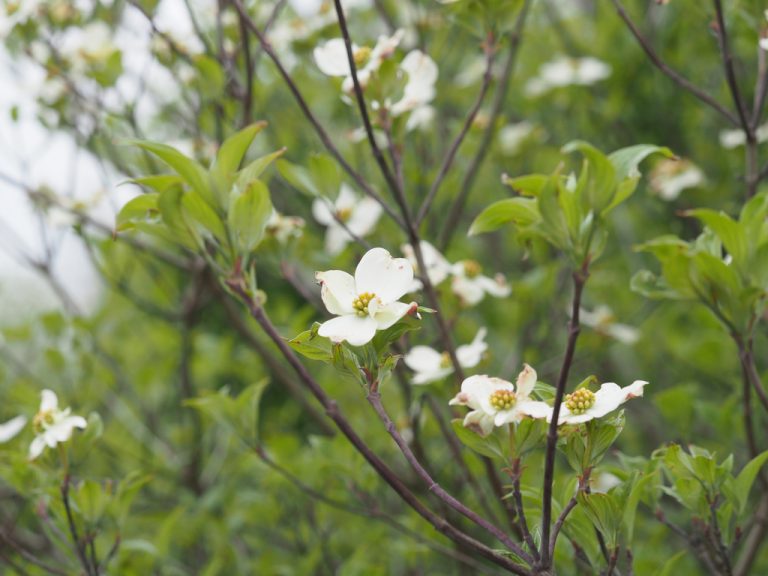
Flowering Dogwood
four white petal-like bracts around tiny green flowers, before the leaves
Cornus florida
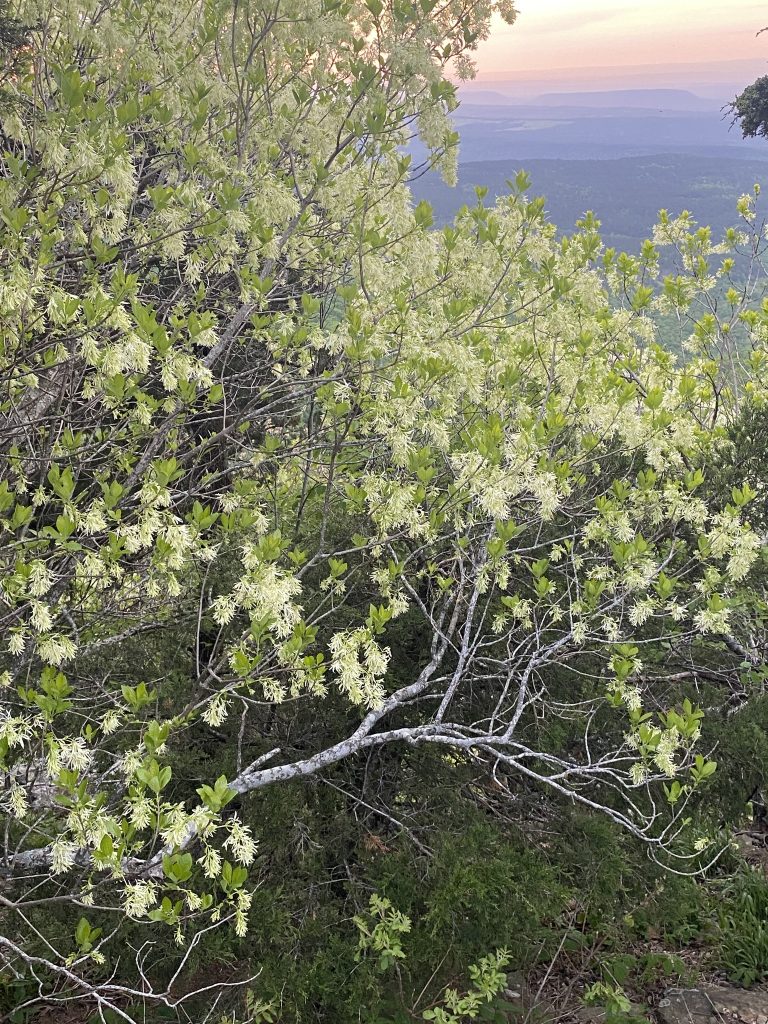
Fringe Tree
fragrant, fringe-like white flowers in drooping clusters
Chionanthus virginicus
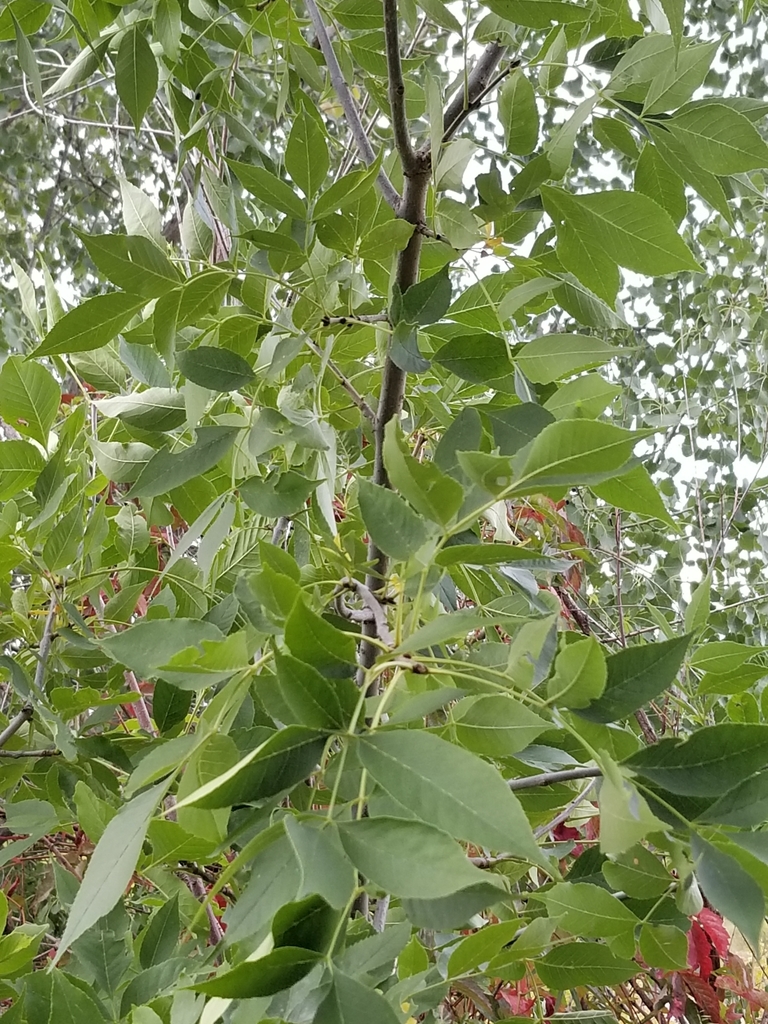
Green Ash
small inconspicuous flowers; male and female on separate trees
Fraxinus pennsylvanica
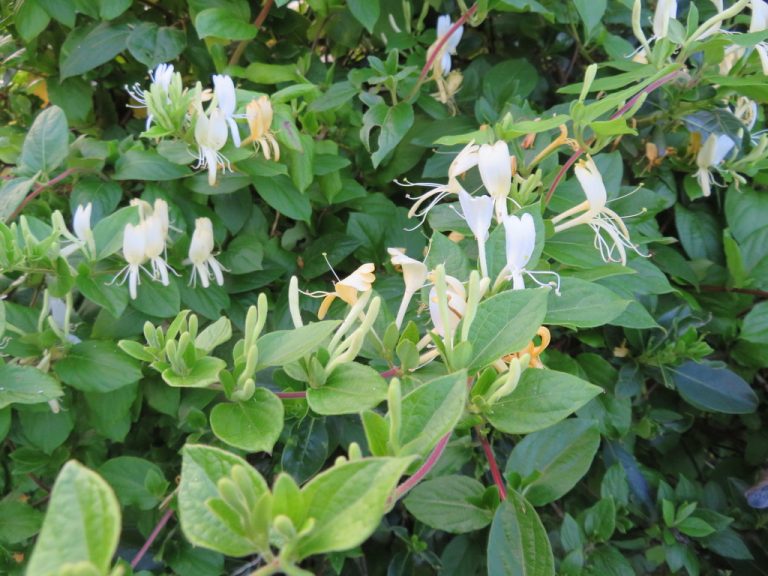
Japanese Honeysuckle
fragrant white flowers fading to yellow; heaviest in spring, sporadic into fall
Lonicera japonica
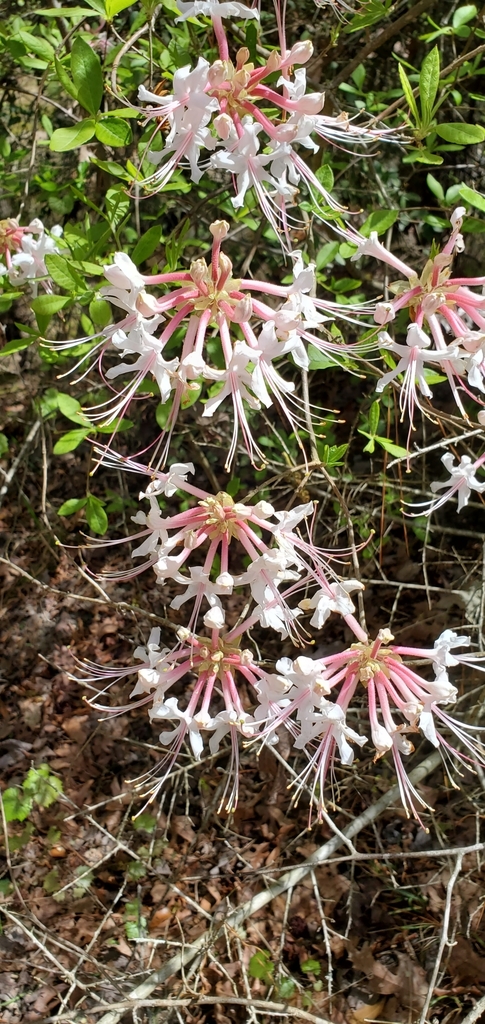
Piedmont Azalea
fragrant pale pink to white flowers, usually before the leaves unfurl
Rhododendron canescens
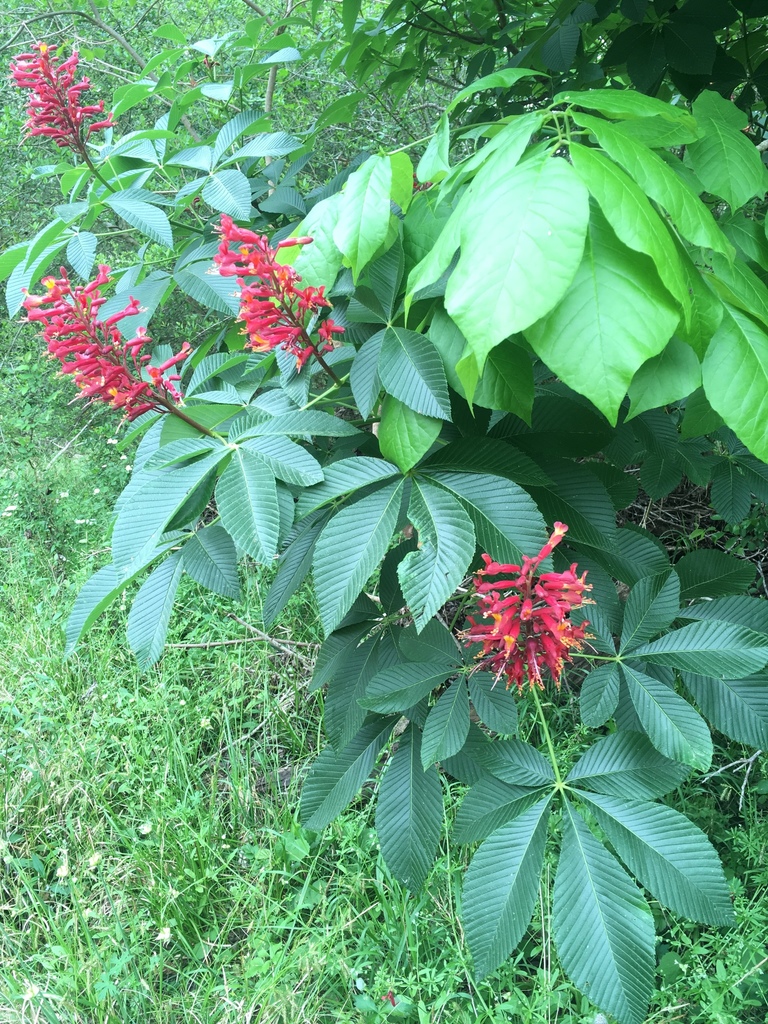
Red Buckeye
red tubular flower spikes, timed with the ruby-throated hummingbirds' spring migration
Aesculus pavia
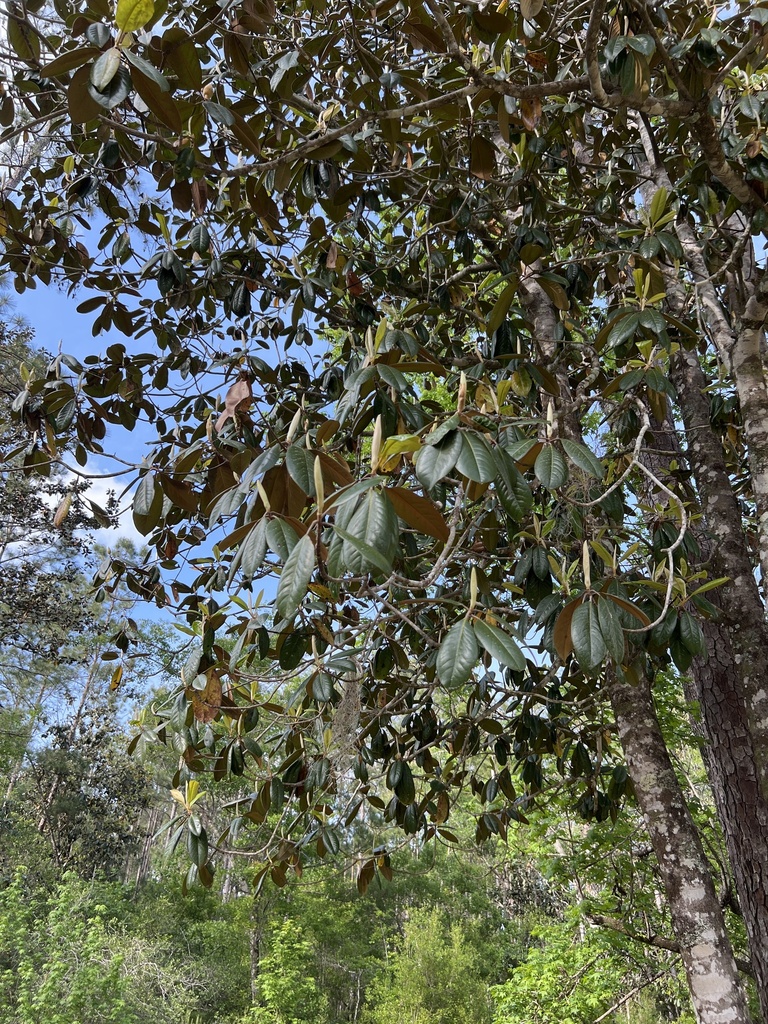
Southern Magnolia
huge fragrant creamy-white flowers; a few keep opening through the summer
Magnolia grandiflora
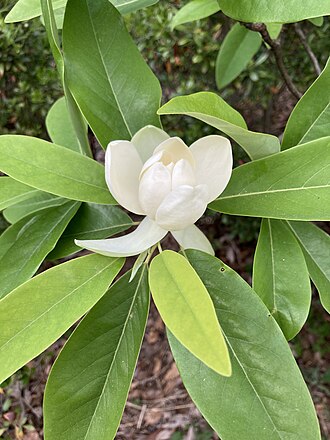
Sweetbay Magnolia
fragrant creamy-white cup-shaped flowers; a few open sporadically until frost
Magnolia virginiana
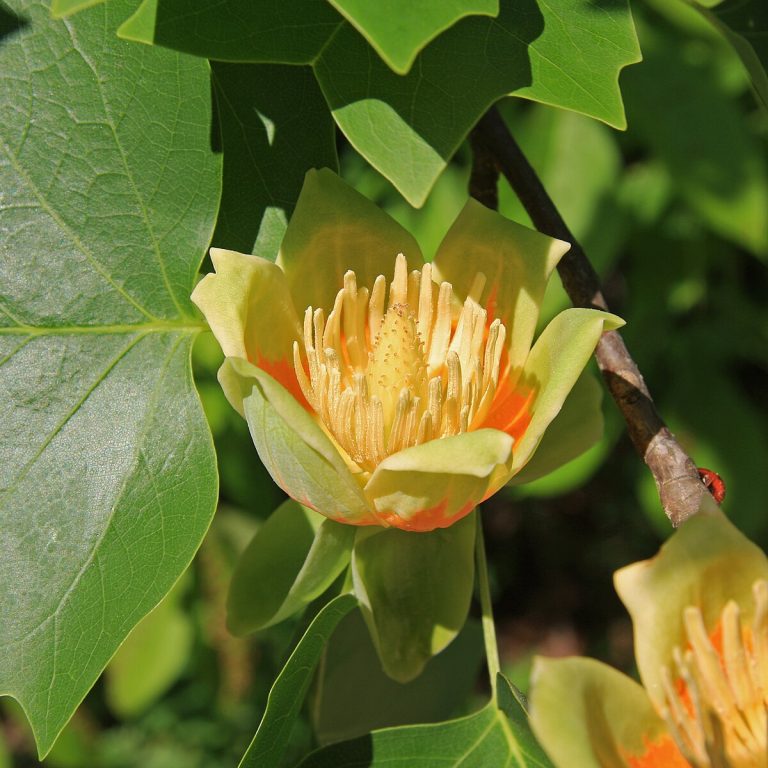
Tulip Tree
upright cup-shaped yellow-green flowers, easy to miss on tall trees; hummingbirds, bees and cedar waxwings feed
Liriodendron tulipfera
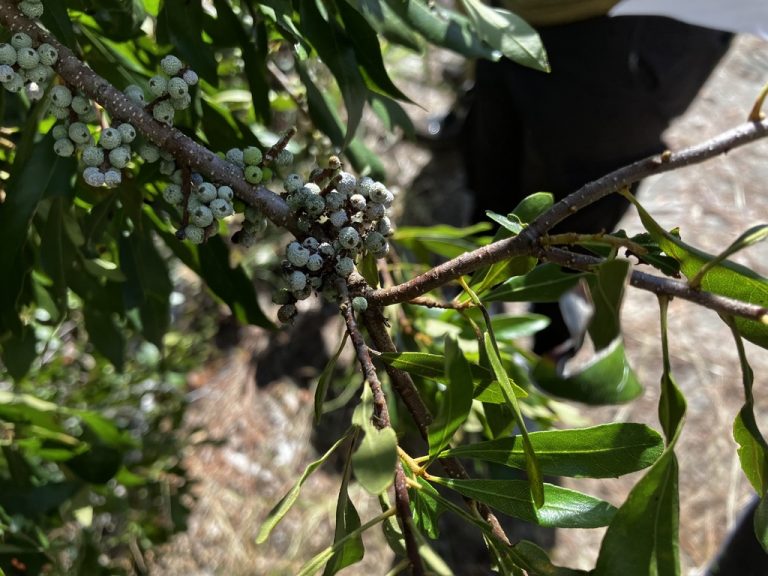
Waxmyrtle
tiny greenish flowers on separate male and female plants
Morella cerifera
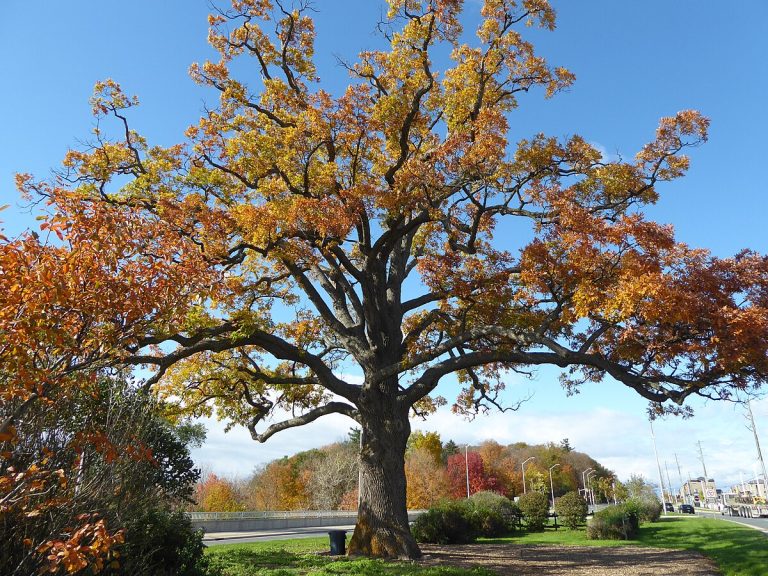
White Oak
yellow-green catkins in long drooping chains; reddish female flowers 5-10 days later
Quercus alba
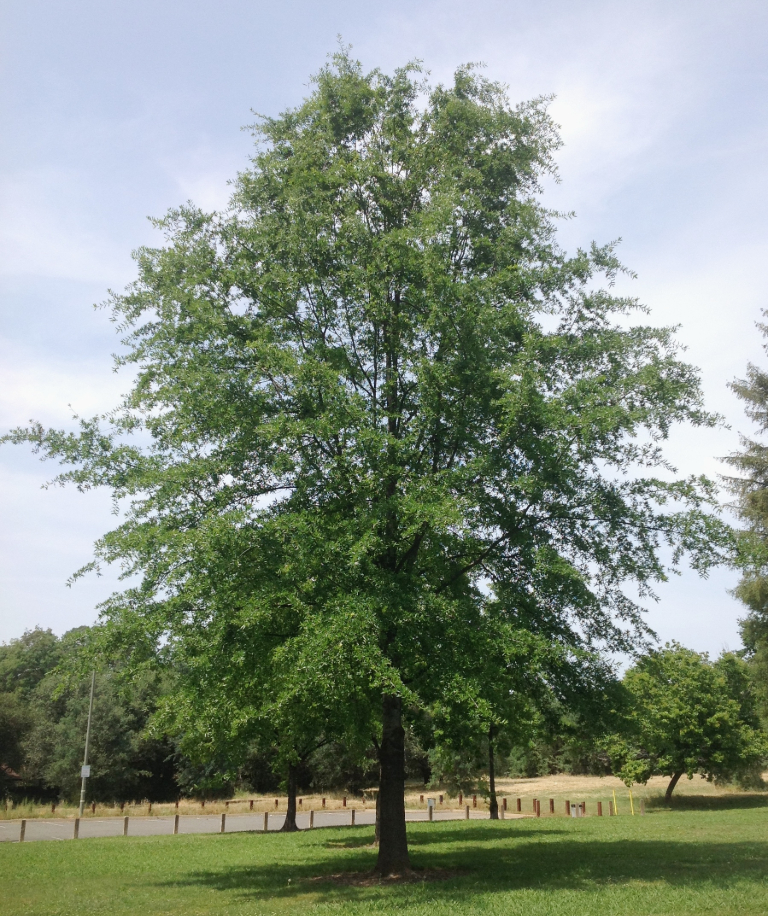
Willow Oak
yellow-green catkins about a week before the leaf buds open
Quercus phellos
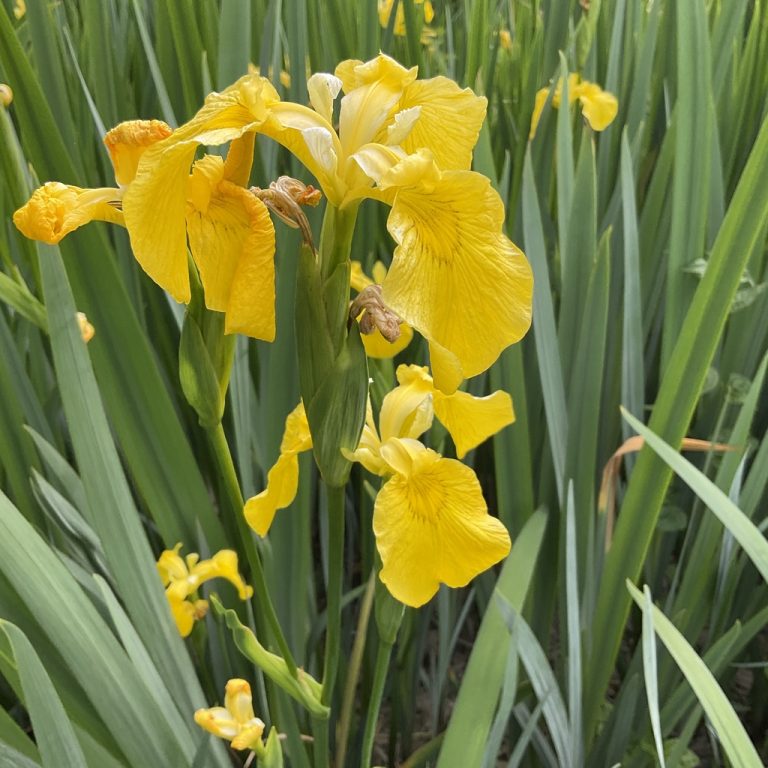
Yellow Flag Iris
bright yellow iris flowers, several per stem
Iris pseudacorus
Leafing out
American Beech
flowers open when the leaves are about one-third grown
Fagus grandifolia
Carolina Silverbell
flowers open as the leaves begin to expand
Halesia carolina
Eastern Redbud
heart-shaped leaves appear 2-3 weeks after flowering as the flowers drop
Cercis canadensis
Flowering Dogwood
leaves follow the flowers
Cornus florida
Fringe Tree
one of the last trees to leaf out; flowers open before or with the first leaves
Chionanthus virginicus
Green Ash
flowers come with or just before the leaves
Fraxinus pennsylvanica
White Oak
flowers open as the leaves appear
Quercus alba
Willow Oak
Quercus phellos
Fruits, nuts and seeds
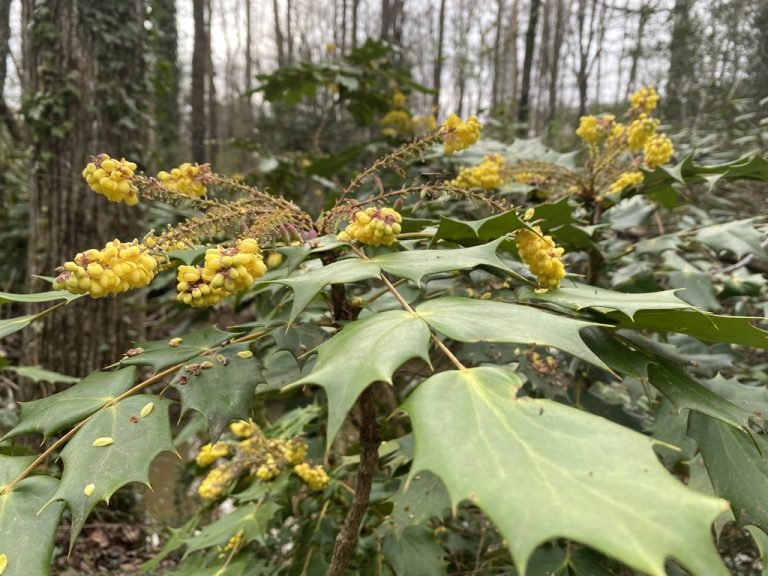
Leatherleaf Mahonia
blue-black berries, quickly eaten and spread by birds
Berberis bealei
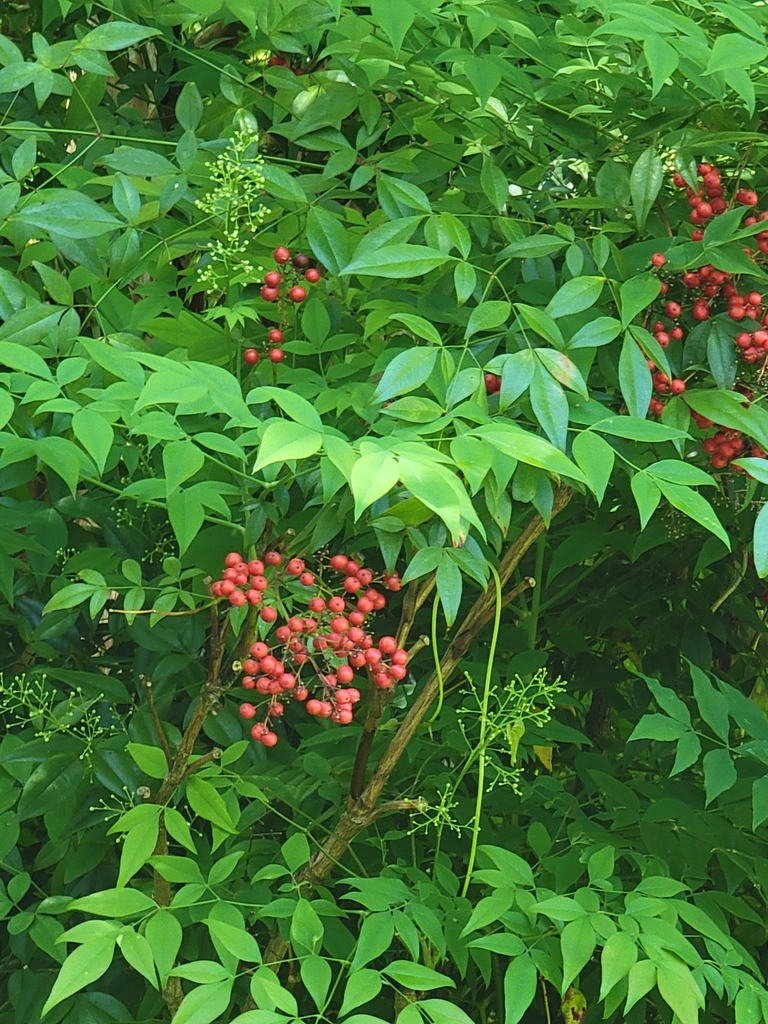
Nandina
bright red berries persist all winter; overeating them has killed cedar waxwings
Nandina domestica
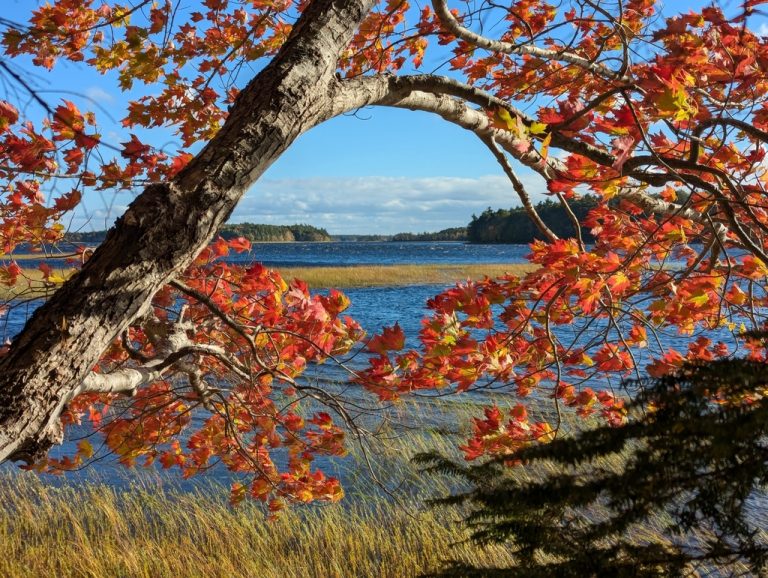
Red Maple
paired winged samaras, red to yellow when young; with the buds, key spring food for gray squirrels
Acer rubrum
Nesting and raising young
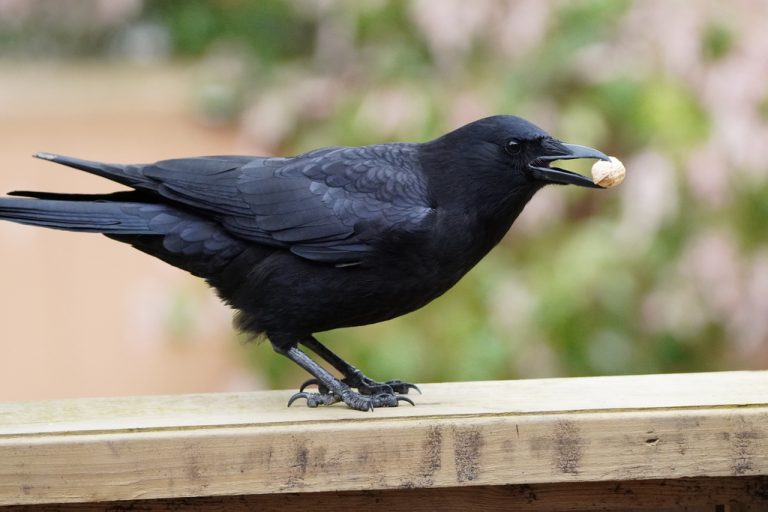
American Crow
nests high in tall pines; crows go quiet and secretive near the nest
Corvus brachyrhynchos
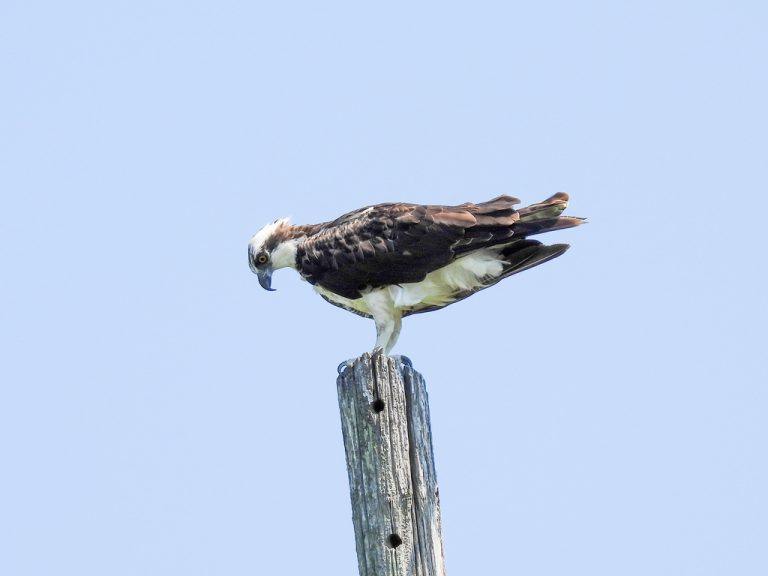
American Osprey
Georgia nest cam: eggs early-mid March, hatch mid-April, young fledge mid-June
Pandion haliaetus carolinensis
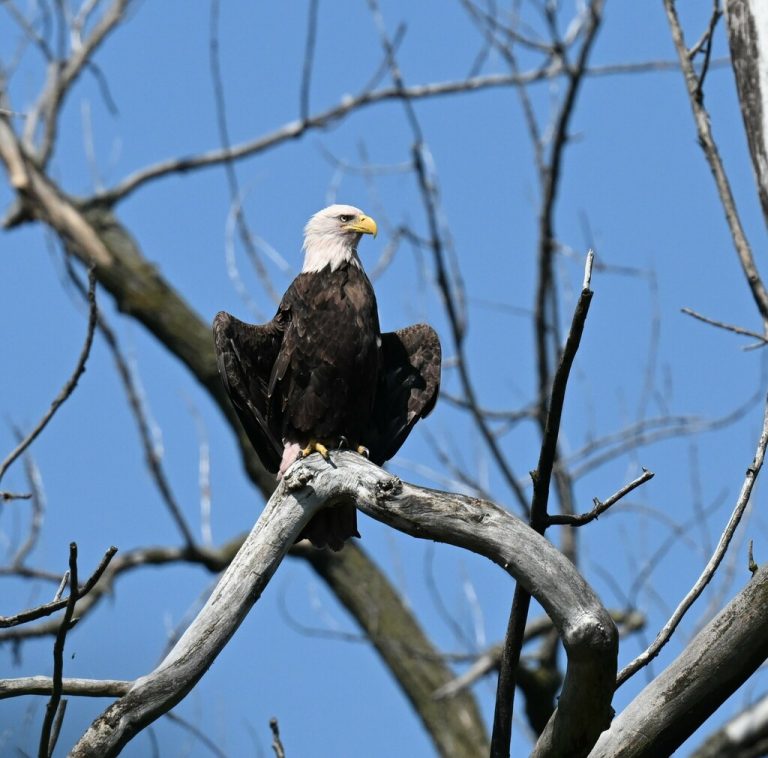
Bald Eagle
Georgia: eggs Nov-Feb, hatch Jan-Feb, young fledge late March to early May
Haliaeetus leucocephalus
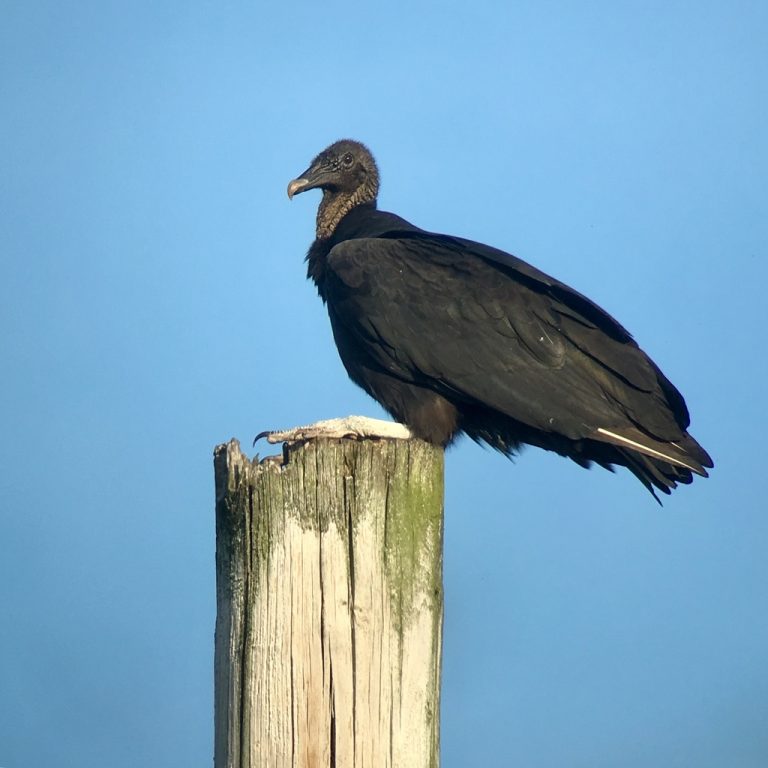
Black Vulture
lays 2 eggs on bare ground in old barns or thickets; no nest is built
Coragyps atratus
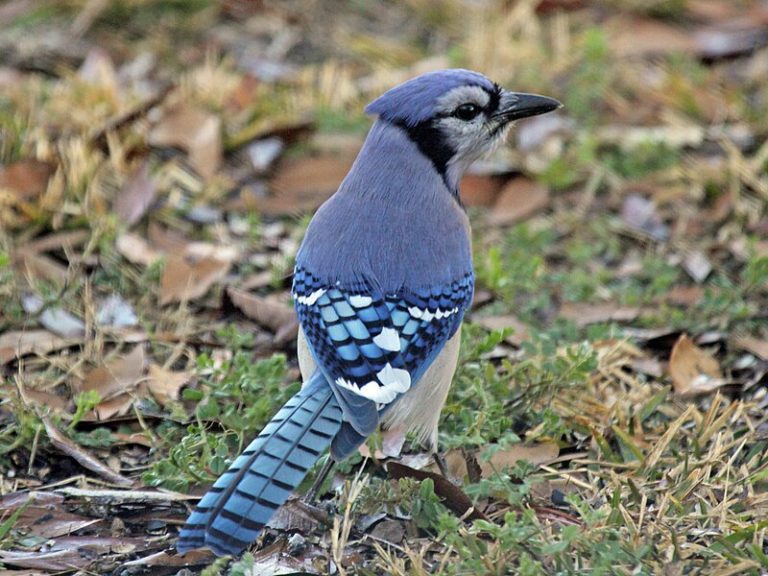
Blue Jay
unusually quiet near the nest; some young fledge as late as July or August
Cyanocitta cristata
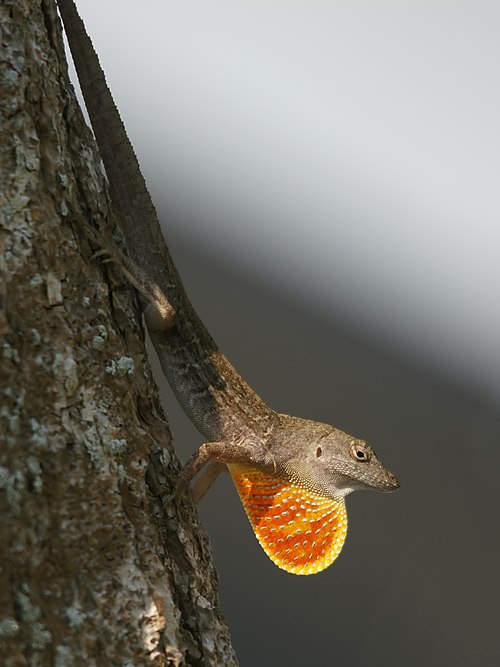
Brown Anole
one egg about every 14 days in moist soil or rotten wood; hatches in 30-45 days
Anolis sagrei
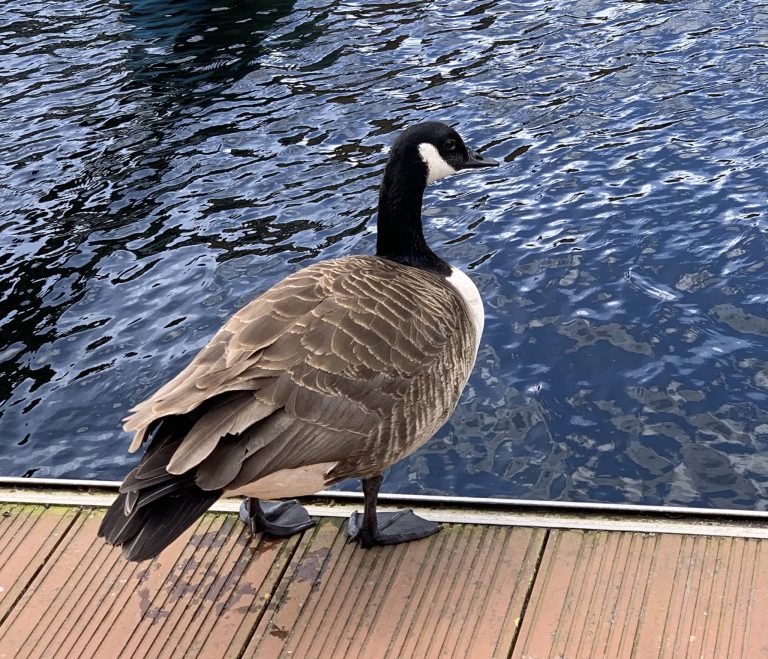
Canada Goose
Georgia resident flock: nesting began late February and ended early June
Branta canadensis
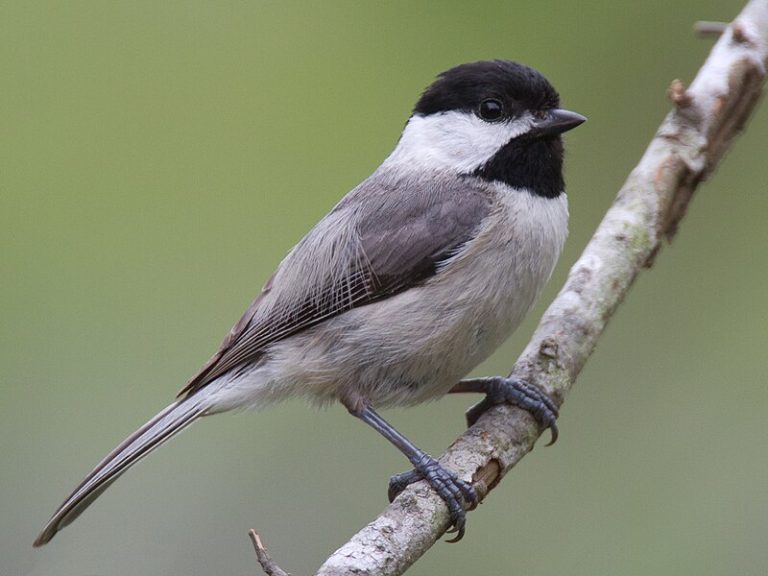
Carolina Chickadee
pairs check cavities late January, build late Feb-March; clutches start about mid-April
Poecile carolinensis
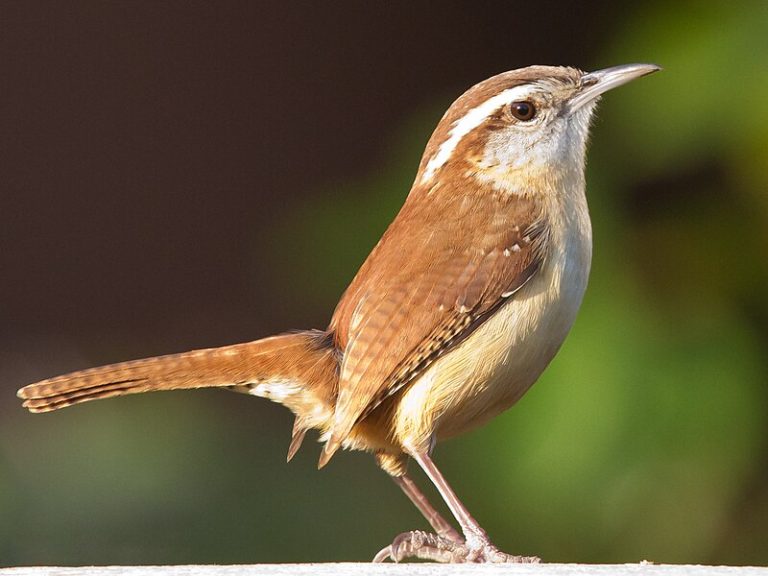
Carolina Wren
often raises a second brood; nests in odd spots such as mailboxes and flower pots
Thryothorus ludovicianus
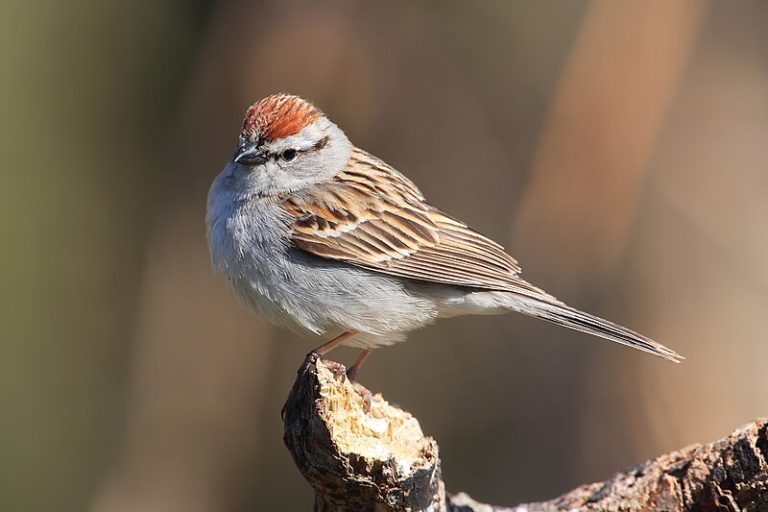
Chipping Sparrow
two, sometimes three broods; the flimsy cup nest is often lined with hair
Spizella passerina
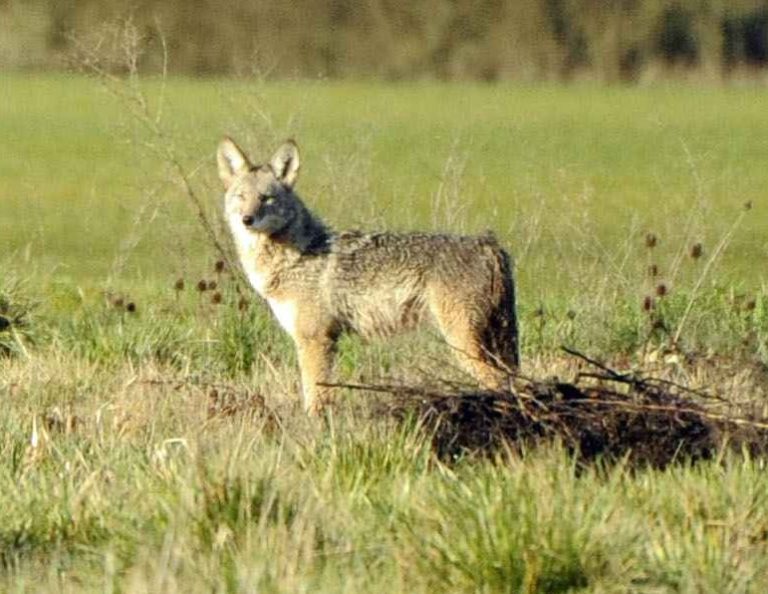
Coyote
pups are born in dug-out dens or brush piles; they first come out at 3-4 weeks old
Canis latrans
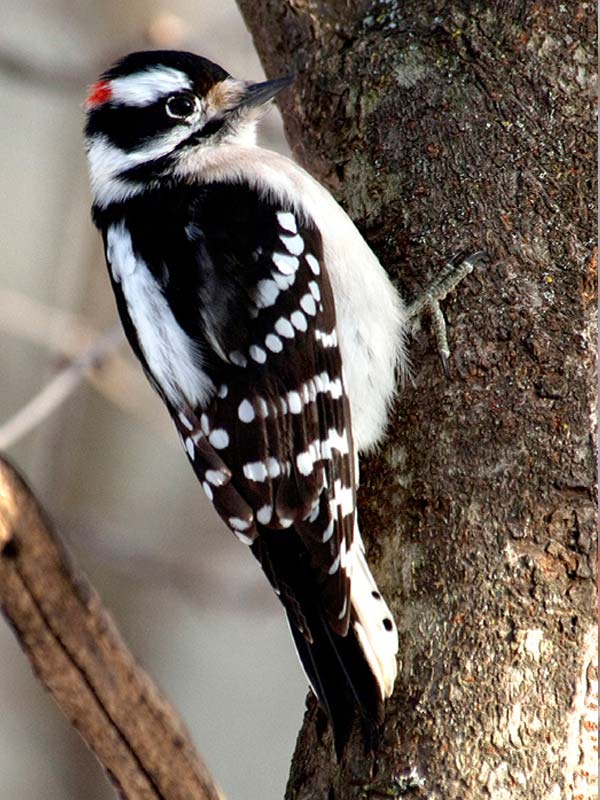
Downy Woodpecker
pairs excavate nest holes from mid-January; nestlings by early May
Dryobates pubescens
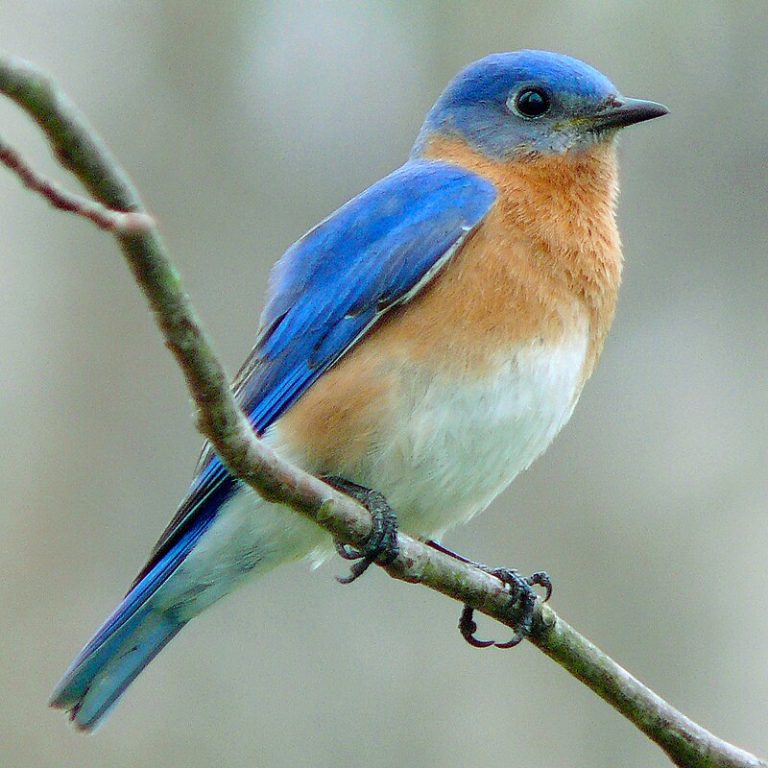
Eastern Bluebird
typically two broods a year in cavities and nest boxes
Sialia sialis
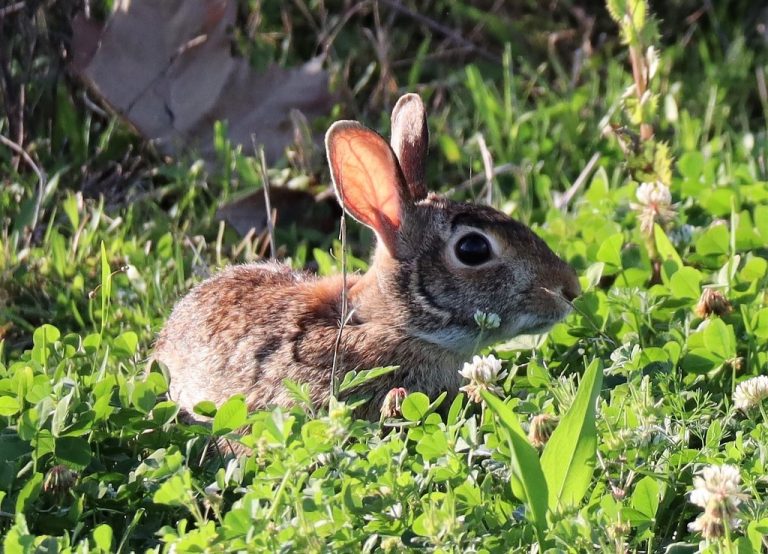
Eastern Cottontail Rabbit
about 80% of the young are born April-July
Sylvilagus floridanus
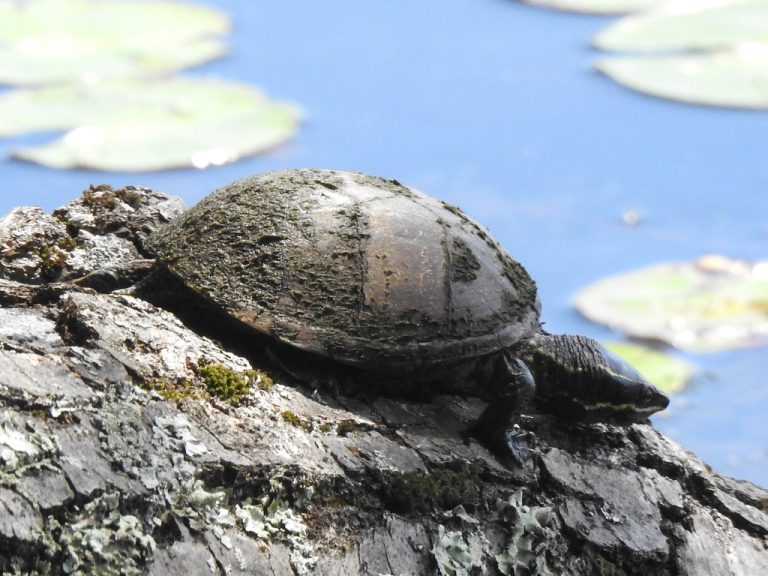
Eastern Musk Turtle
up to 2 clutches of 1-9 eggs under debris or in rotten logs; hatch Aug-Sep
Sternotherus odoratus
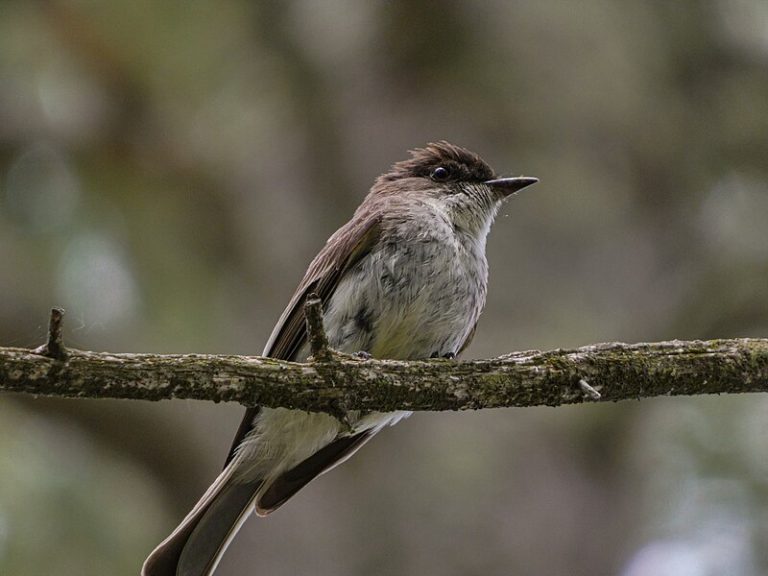
Eastern Phoebe
mud-and-moss nests under bridges and eaves; eggs by early April
Sayornis phoebe
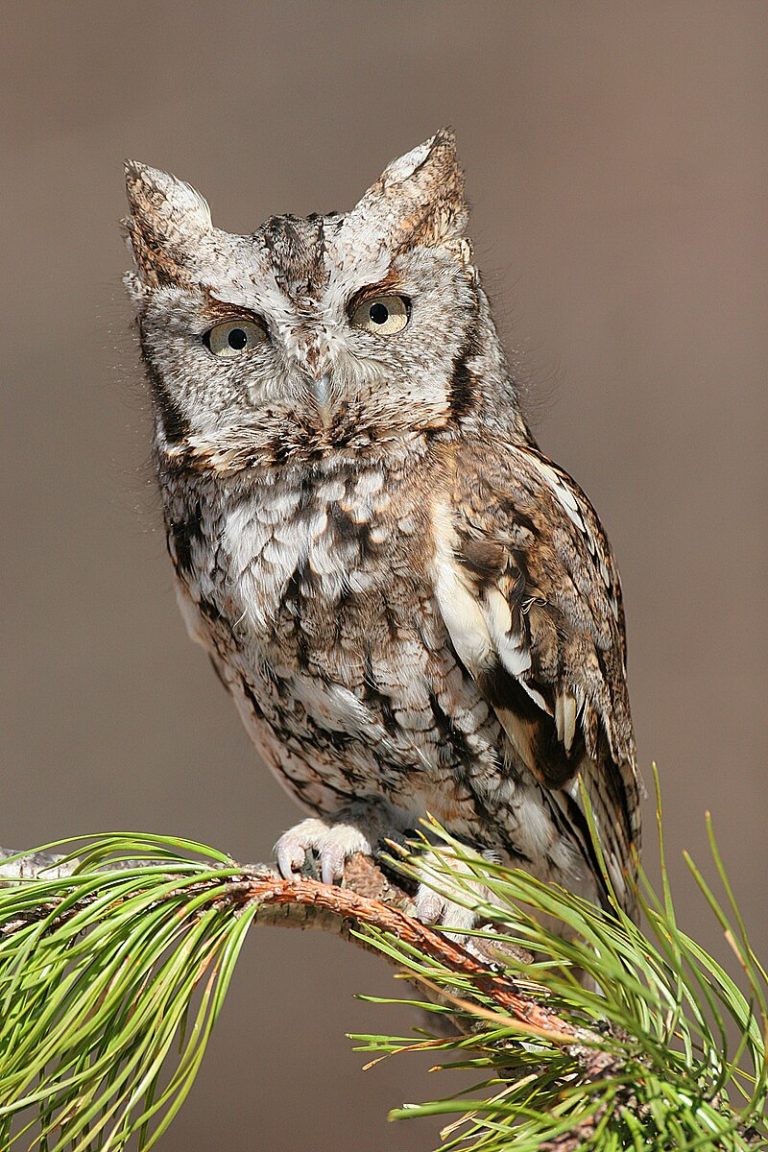
Eastern Screech-Owl
uses tree cavities and nest boxes; eggs found late March to mid-April
Megascops asio
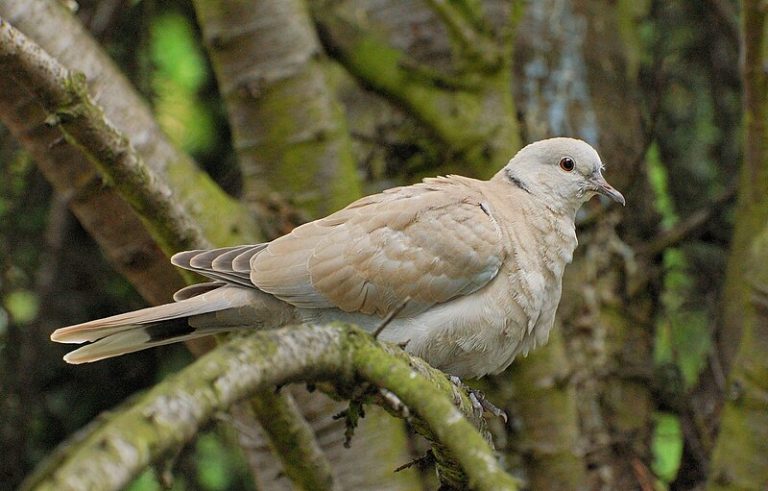
Eurasian Collared-Dove
3-4 broods a year; can nest in any month with enough food
Streptopelia decaocto
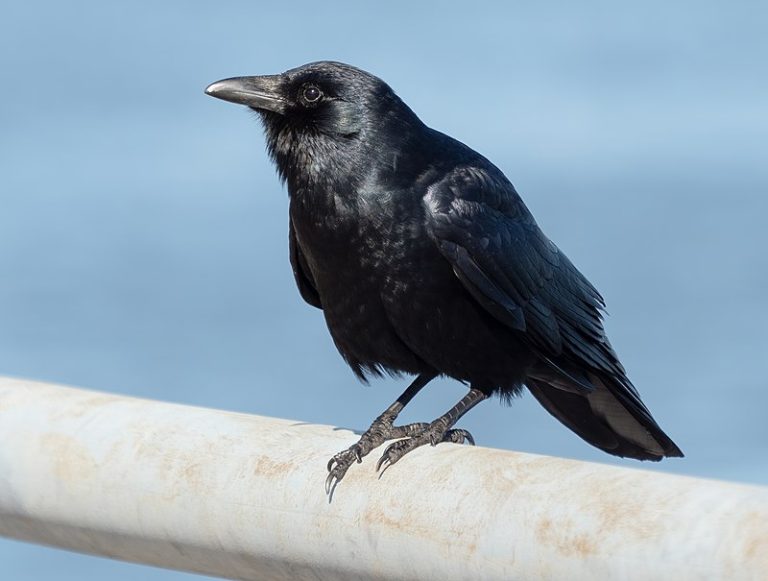
Fish Crow
listen for the nasal 'uh-uh' call; nests 1-2 months later than American Crow
Corvus ossifragus
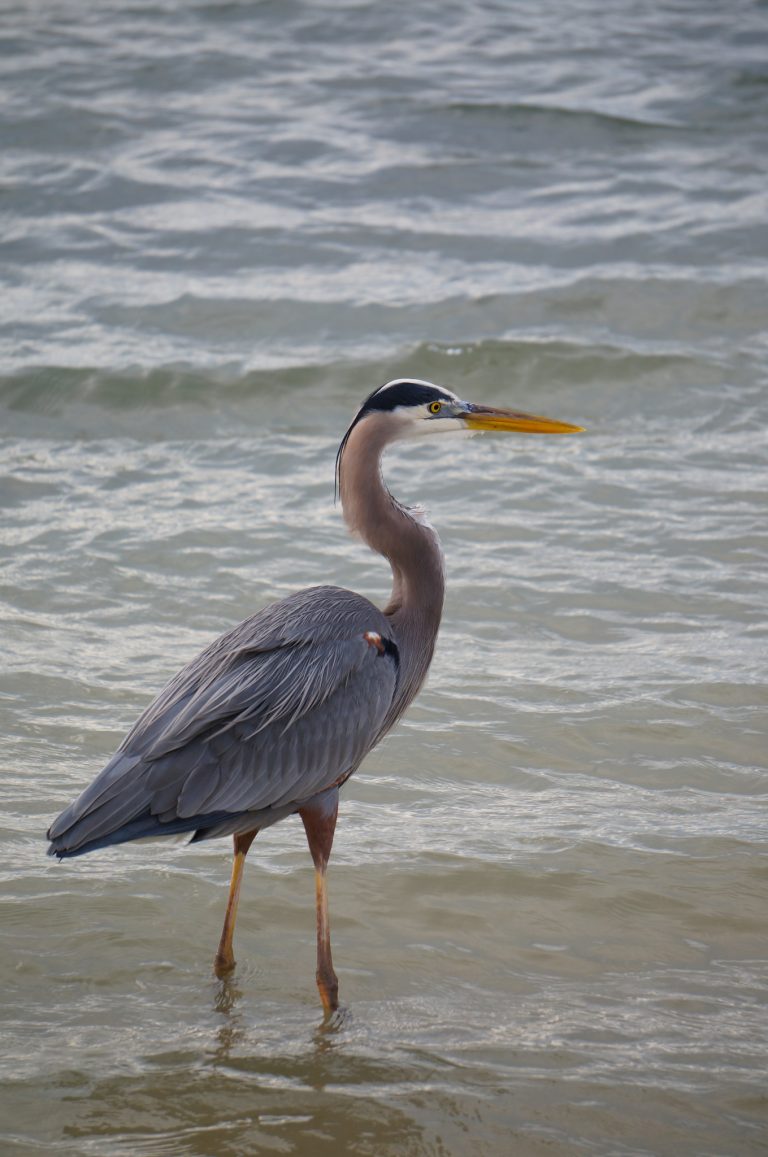
Great Blue Heron
colonial nests high in treetops; building from mid-January, hatching late March-April
Ardea herodias
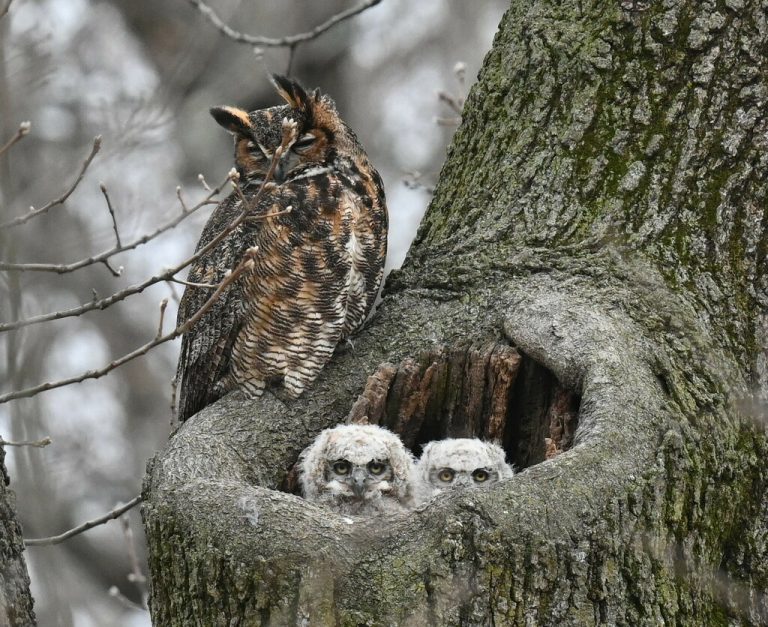
Great Horned Owl
eggs from December, hatch late Jan to Feb; young leave the nest early April to May
Bubo virginianus
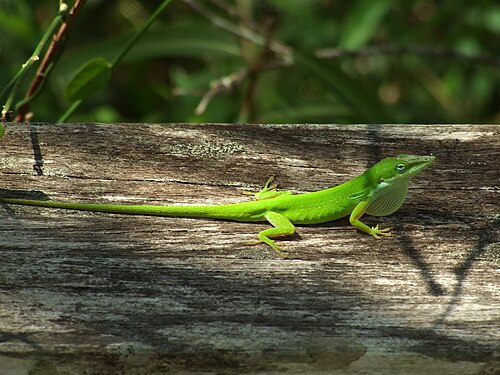
Green Anole
one egg every two weeks in moist soil or rotten wood; hatches in 5-7 weeks
Anolis carolinensis
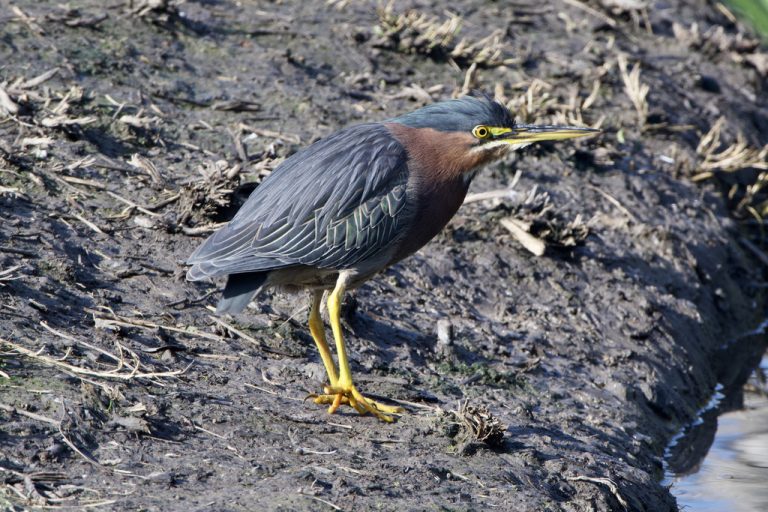
Green Heron
solitary nester; a Carolina Piedmont nest held four young on 11 May
Butorides virescens
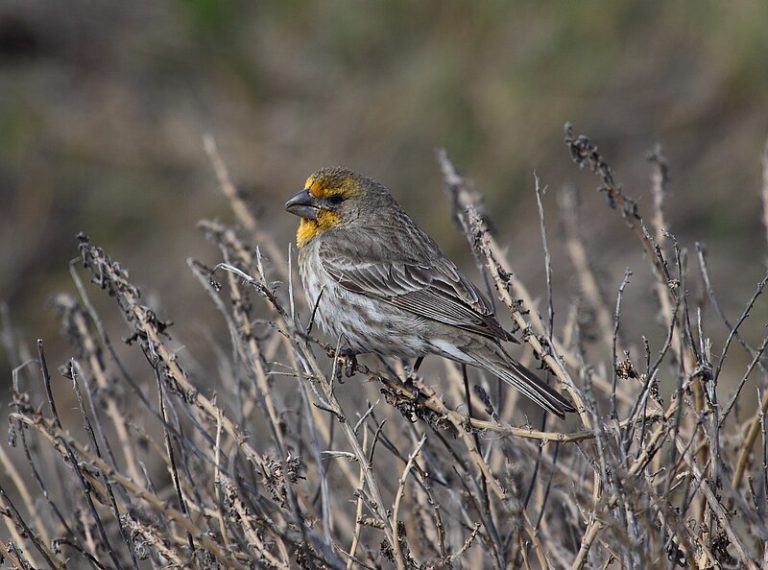
House Finch
may raise 1-6 broods a year
Haemorhous mexicanus
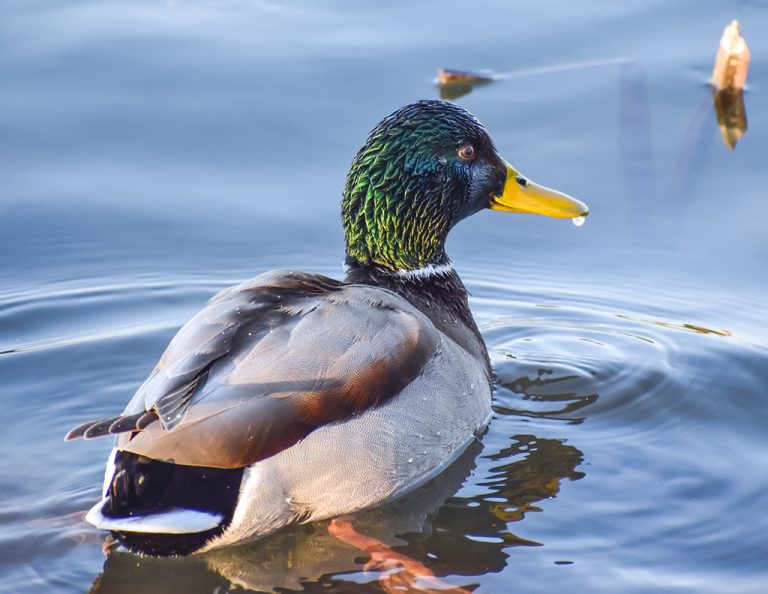
Mallard
nesting can begin late February; ducklings follow hens from mid-March
Anas platyrhynchos
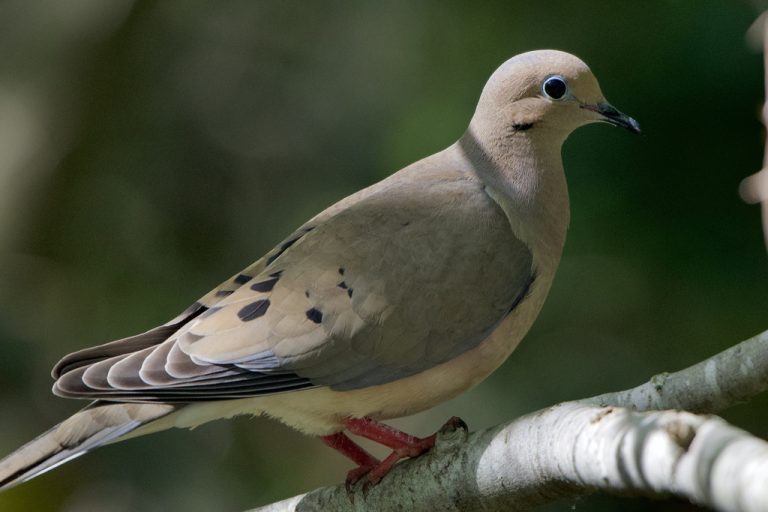
Mourning Dove
peaks May into July; Georgia doves average three nestings a year
Zenaida macroura
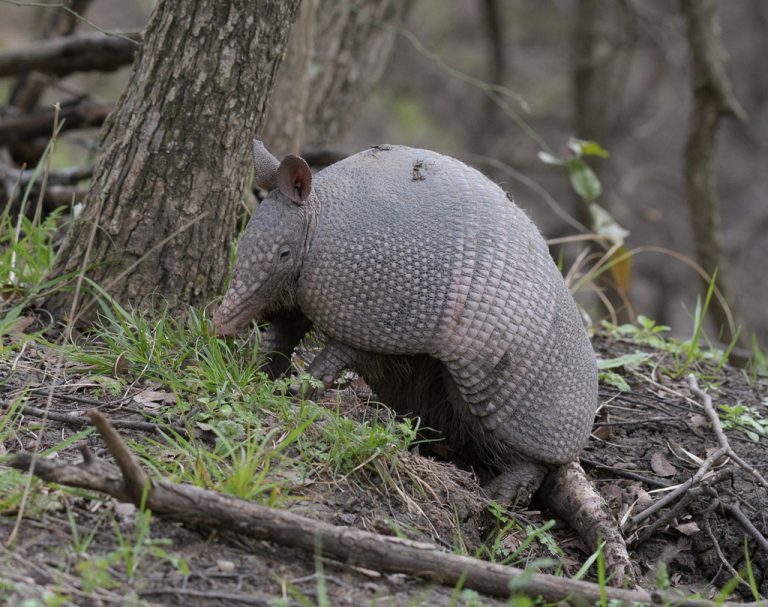
Nine-banded Armadillo
a litter of identical quadruplets is born in March or April
Dasypus novemcinctus
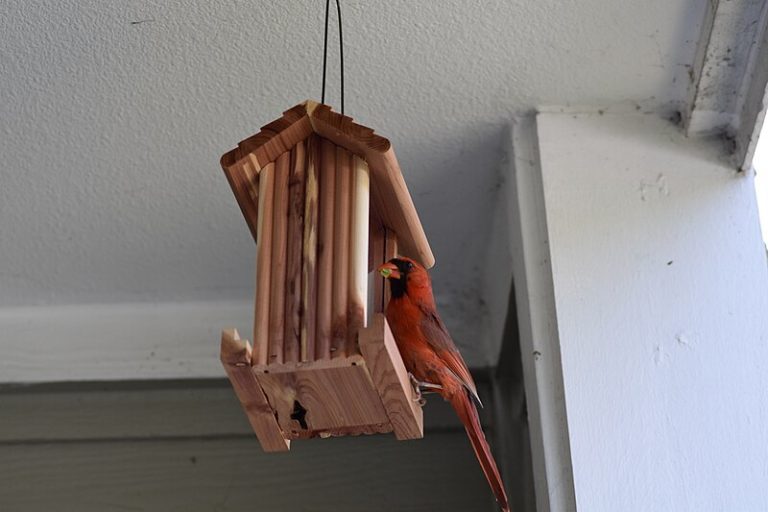
Northern Cardinal
first nests built early to mid-March; three or more broods in the Carolina Piedmont
Cardinalis cardinalis
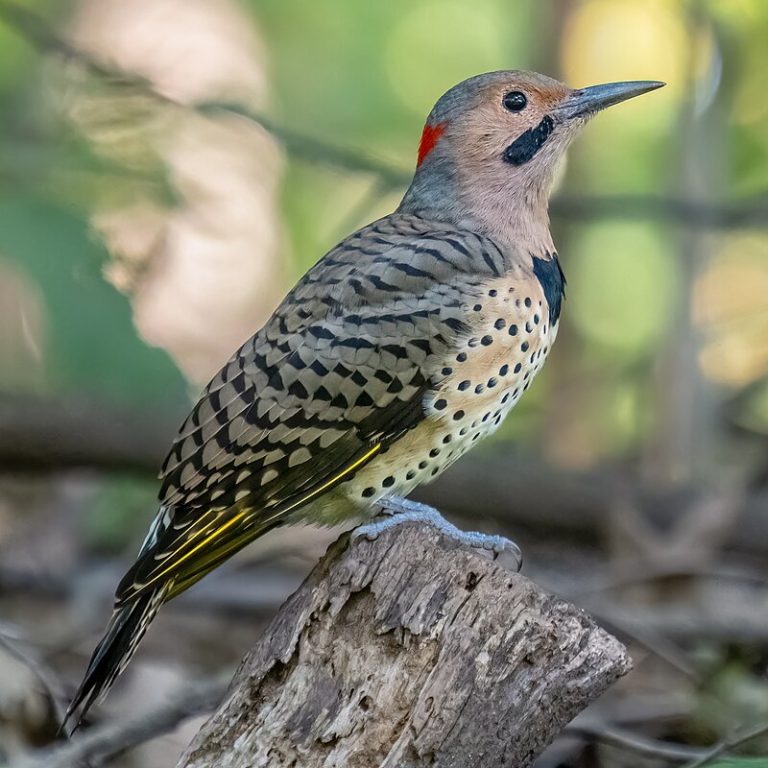
Northern Flicker
Colaptes auratus
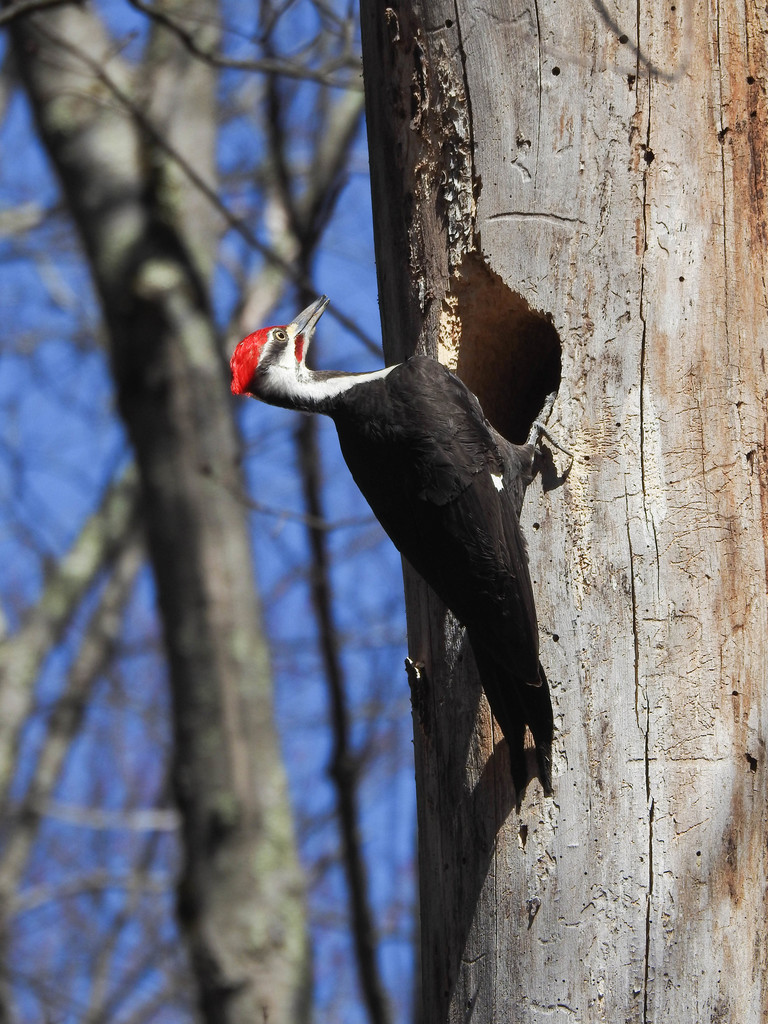
Pileated Woodpecker
one brood; a Catawba River nest had nestlings 7 May and fledged by 21 May
Dryocopus pileatus
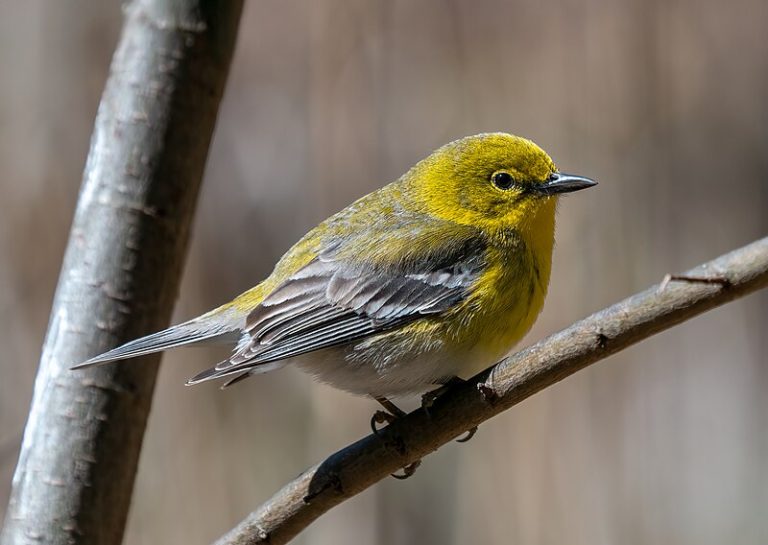
Pine Warbler
nest building from mid-March, eggs by late March, high on pine limbs
Setophaga pinus
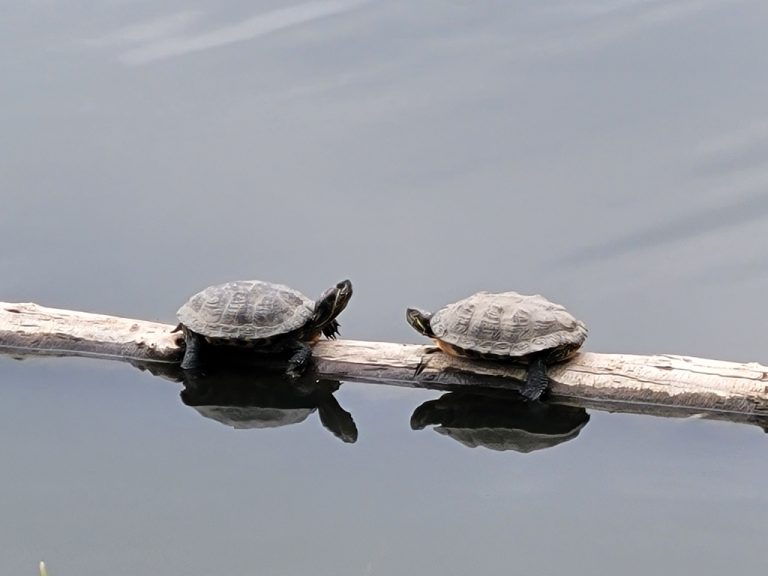
Pond Slider
some hatchlings stay in the nest over winter and emerge the next spring
Trachemys scripta
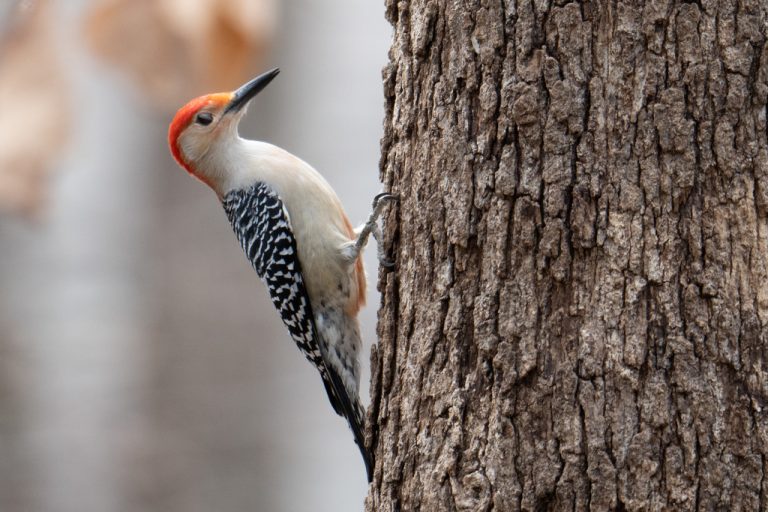
Red-bellied Woodpecker
excavation seen from late January; 1-3 broods; one Carolina nest fledged on 15 July
Melanerpes carolinus
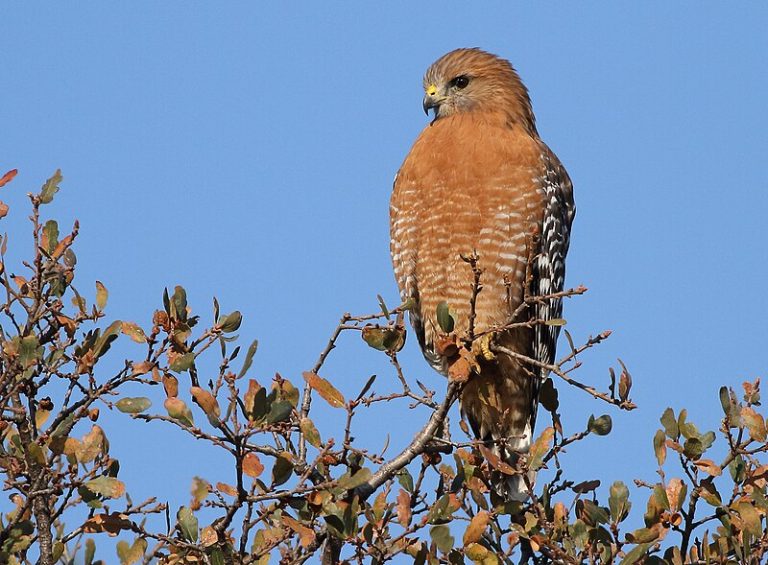
Red-shouldered Hawk
active nests from February; most flightless young are found May-June
Buteo lineatus
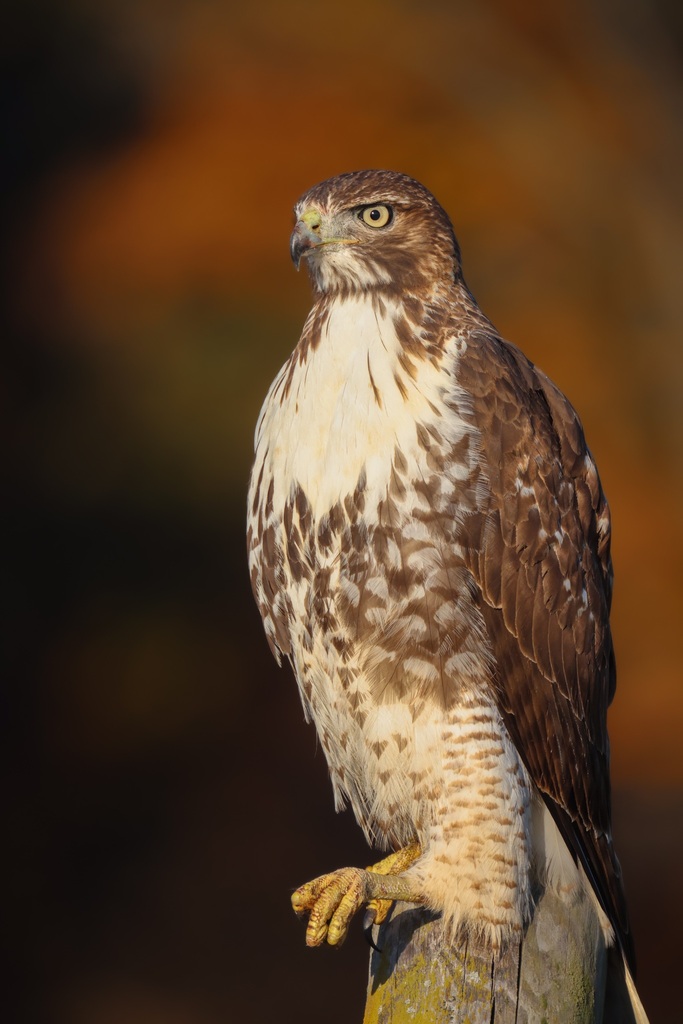
Red-tailed Hawk
nest building February-March; nestlings April to early July
Buteo jamaicensis
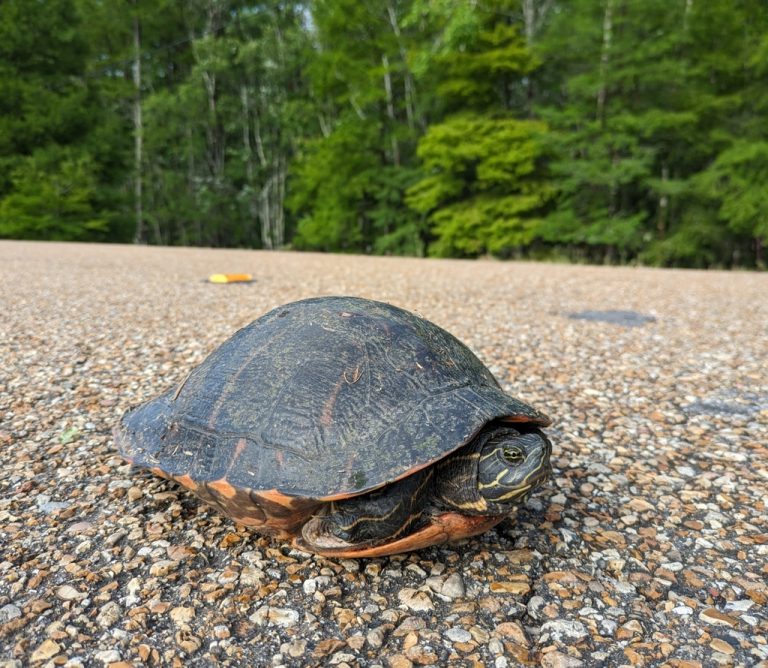
River Cooter
hatchlings often stay in the nest over winter and emerge in spring
Pseudemys concinna
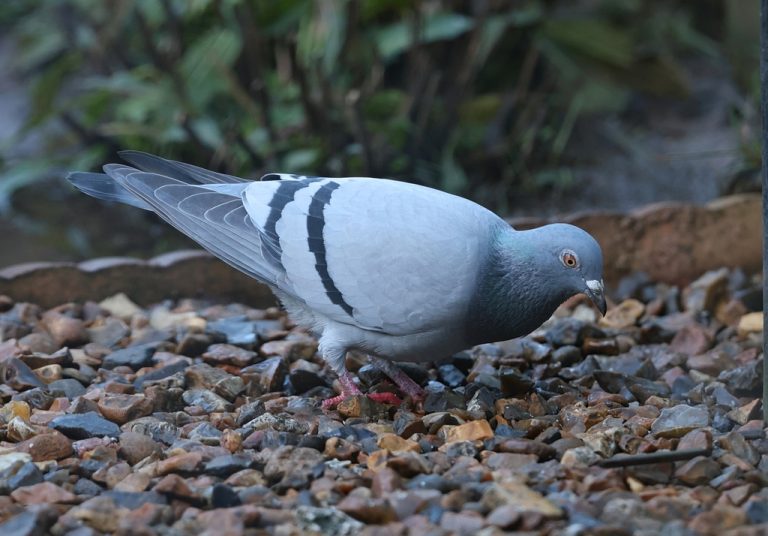
Rock Pigeon
can nest in every month of the year
Columba livia
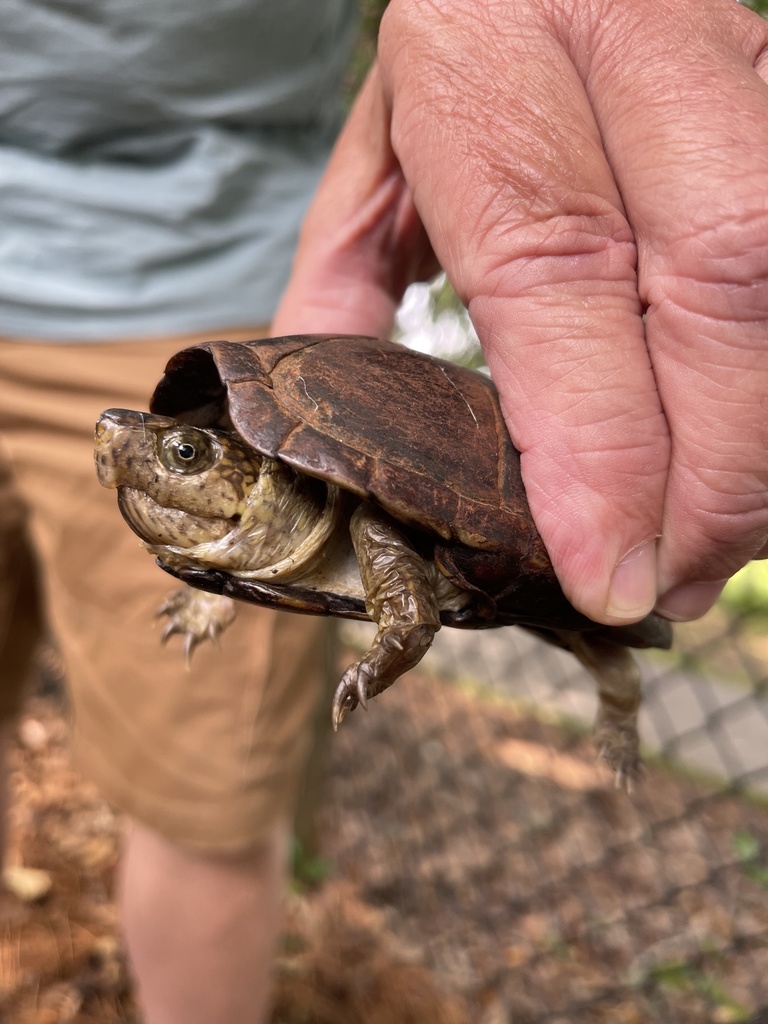
Southeastern Mud Turtle
2-5 eggs; hatchlings often stay underground until the next spring
Kinosternon subrubrum subrubrum
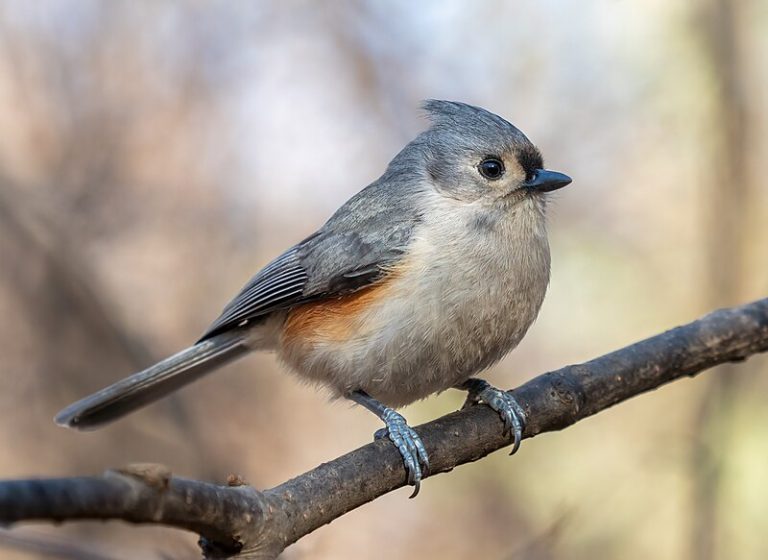
Tufted Titmouse
Baeolophus bicolor
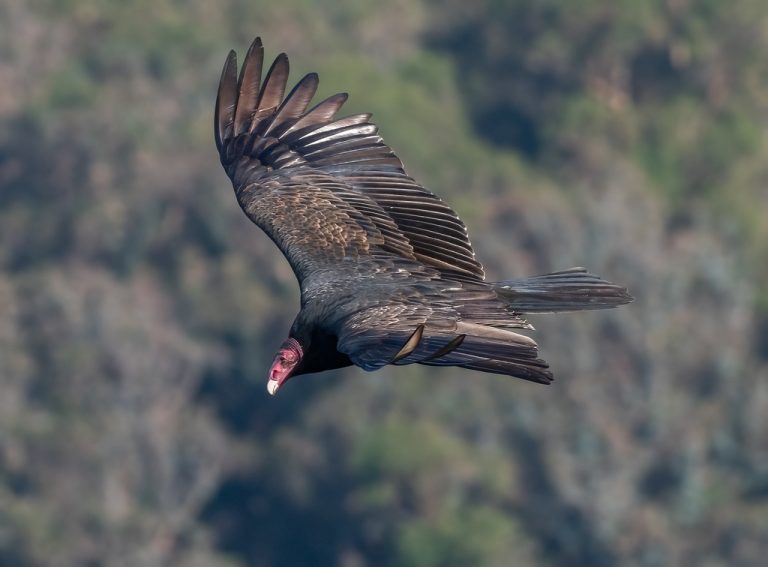
Turkey Vulture
eggs found mid-April to early May; young take 60-84 days to fledge
Cathartes aura
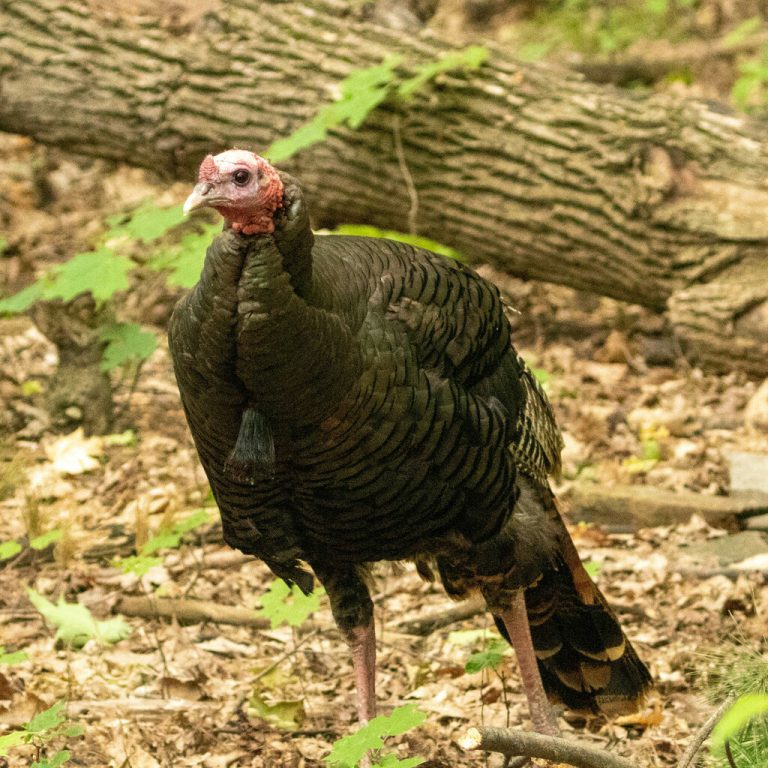
Wild Turkey
most Georgia hens lay late March to early April
Meleagris gallopavo
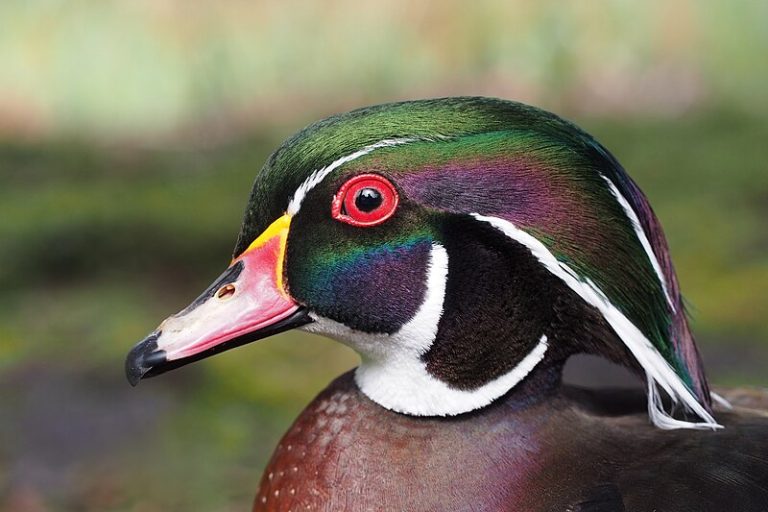
Wood Duck
most ducklings hatch and leave the nest April-May; 1-2 broods
Aix sponsa
Breeding season
Brown Anole
territorial males display an orange-red dewlap
Anolis sagrei
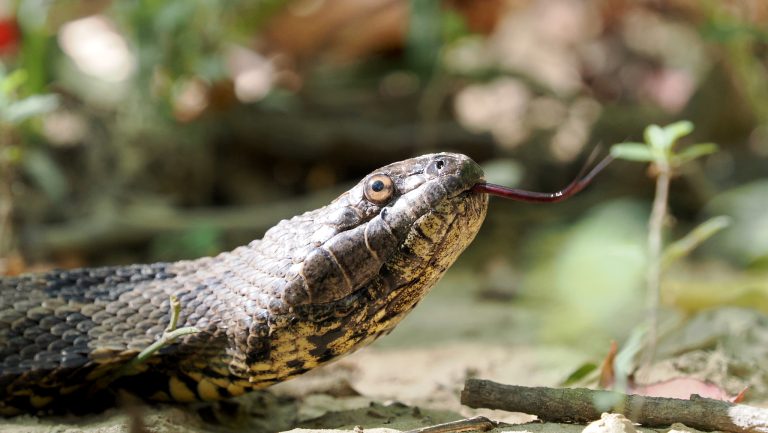
Brown Watersnake
groups of males court females; 20-60 live young born in late summer
Nerodia taxispilota
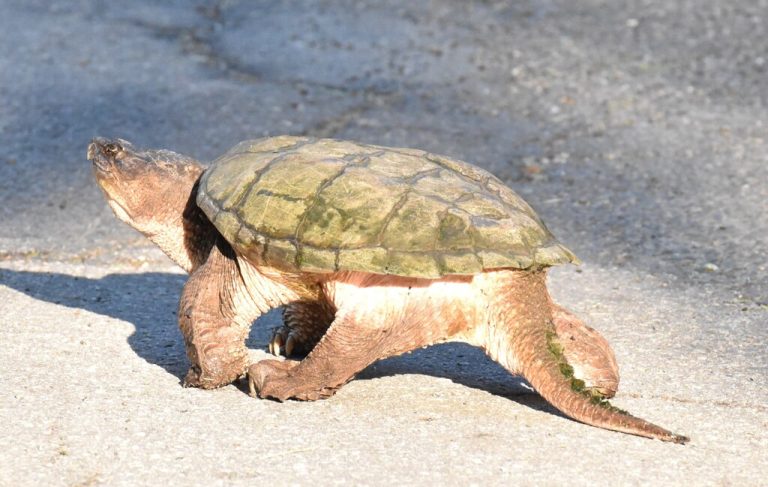
Common Snapping Turtle
Chelydra serpentina
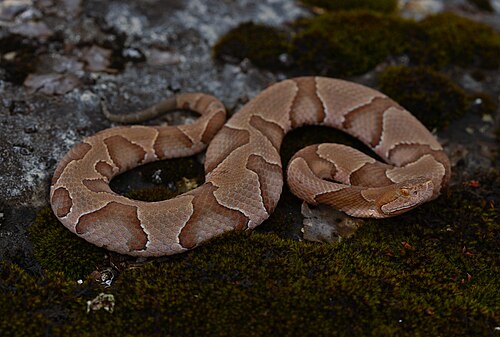
Copperhead
live young born late summer to early fall; newborns have a yellow tail tip
Agkistrodon contortrix
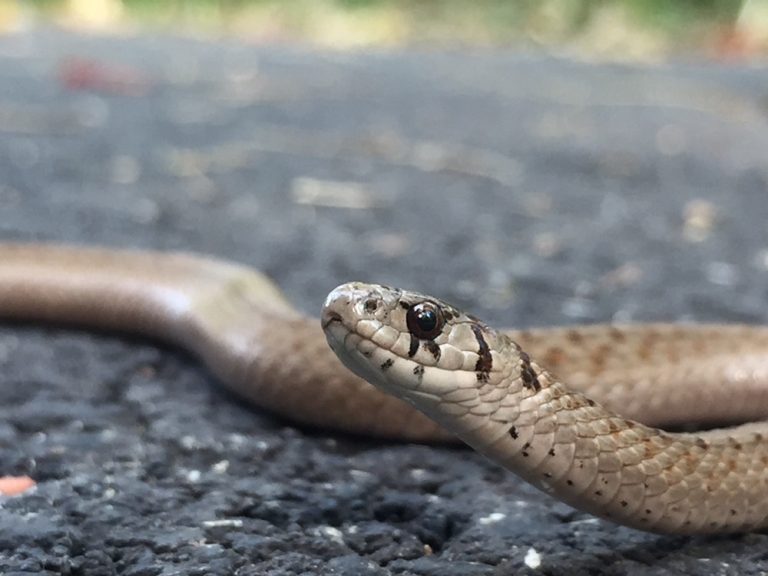
DeKay's Brownsnake
3-31 live young born in late summer, mostly July-August
Storeria dekayi
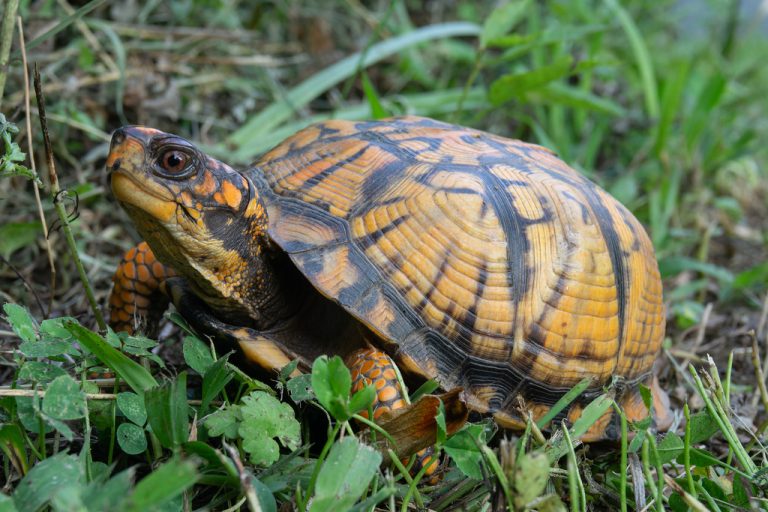
Eastern Box Turtle
most often seen in fall, when males search for females
Terrapene carolina carolina
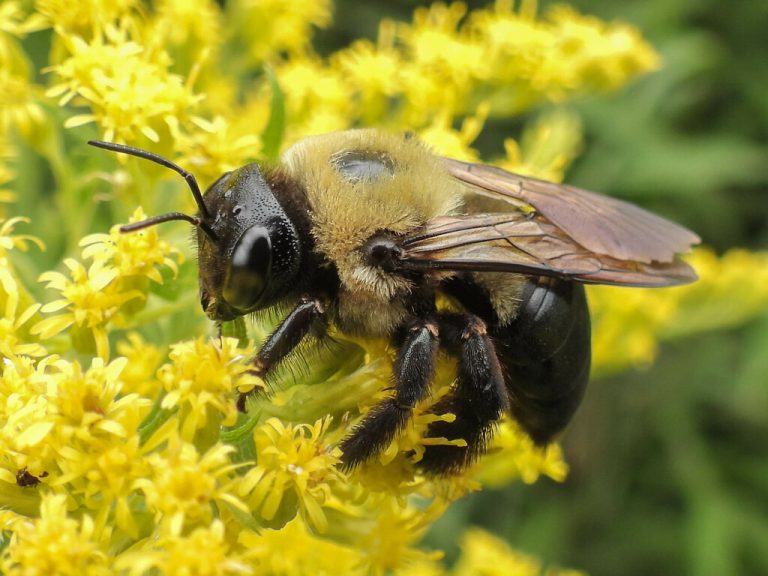
Eastern Carpenter Bee
males mate with females in flight near the nests
Xylocopa virginica
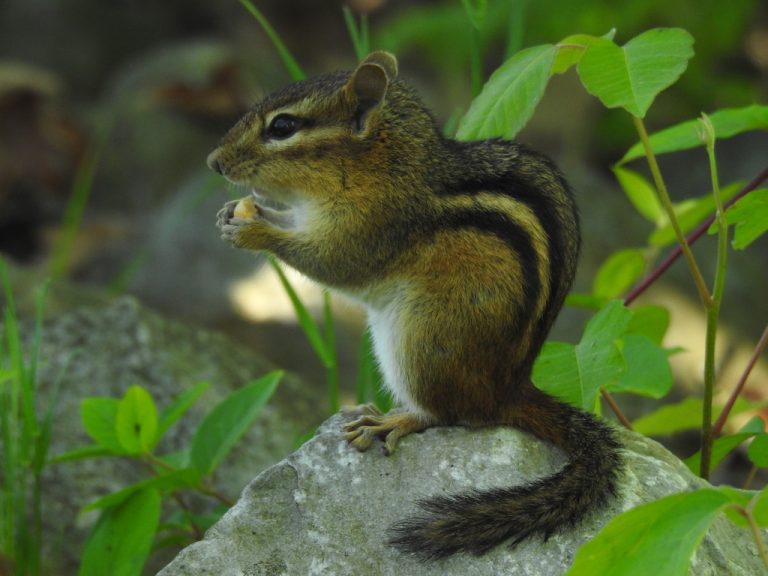
Eastern Chipmunk
two breeding seasons a year: February-April and June-August
Tamias striatus
Eastern Cottontail Rabbit
breeds February to September; does have 3-7 litters a year
Sylvilagus floridanus
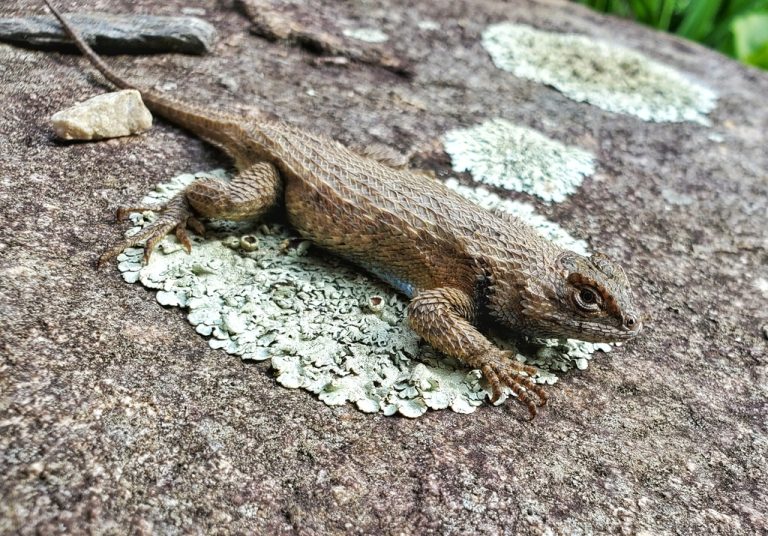
Eastern Fence Lizard
males show bright blue patches on the chin and belly
Sceloporus undulatus
Eastern Musk Turtle
Sternotherus odoratus
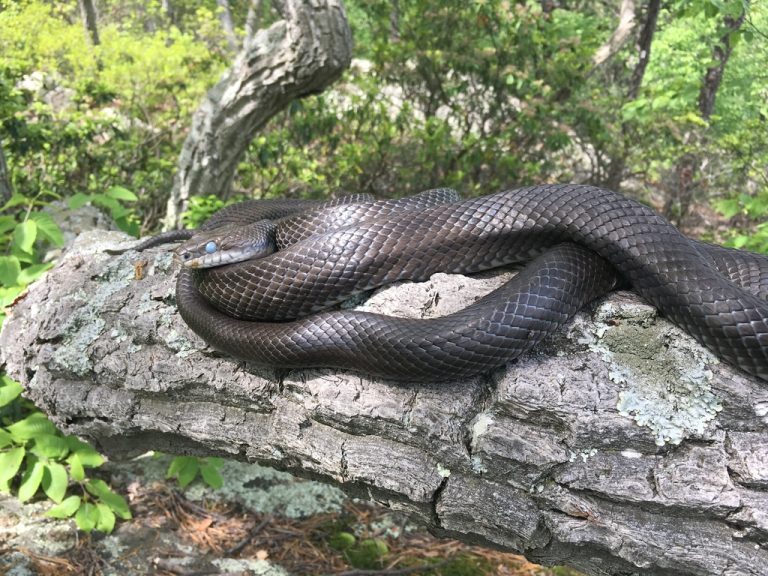
Eastern Rat Snake
fall breeding also occurs
Pantherophis alleghaniensis
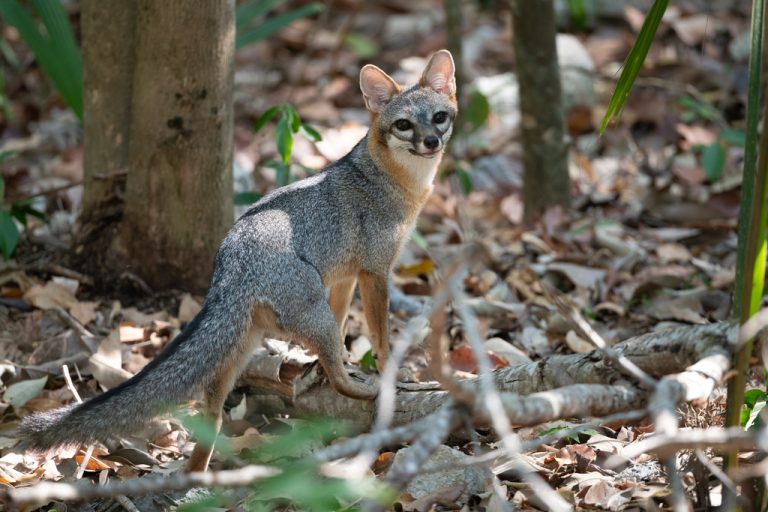
Gray Fox
mates January-April; both parents raise the pups for about 3 months
Urocyon cinereoargenteus
Green Anole
males bob their heads and extend a pink dewlap to court and hold territory
Anolis carolinensis
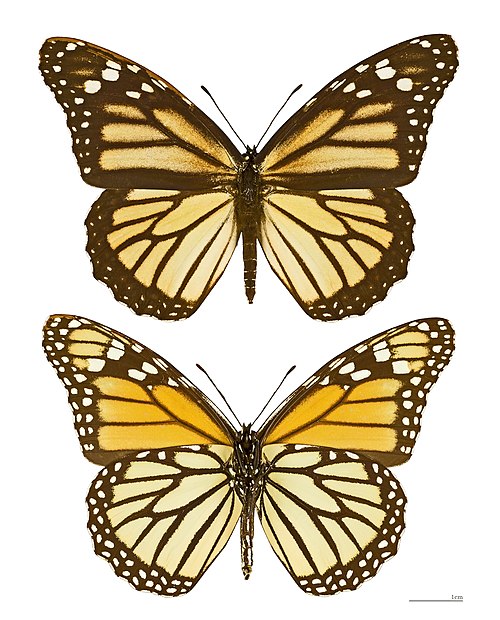
Monarch Butterfly
eggs on milkweed; cut milkweed back in midsummer for fresh leaves in Aug-Sep
Danaus plexippus
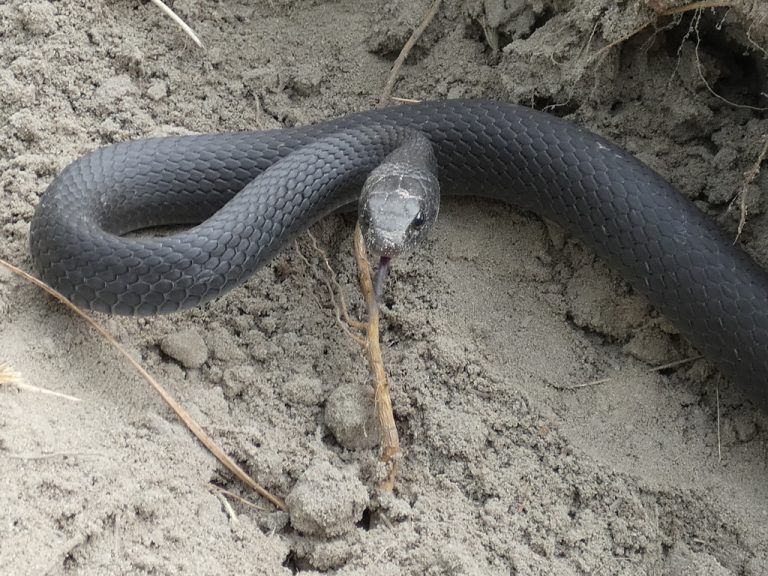
North American Racer
Coluber constrictor
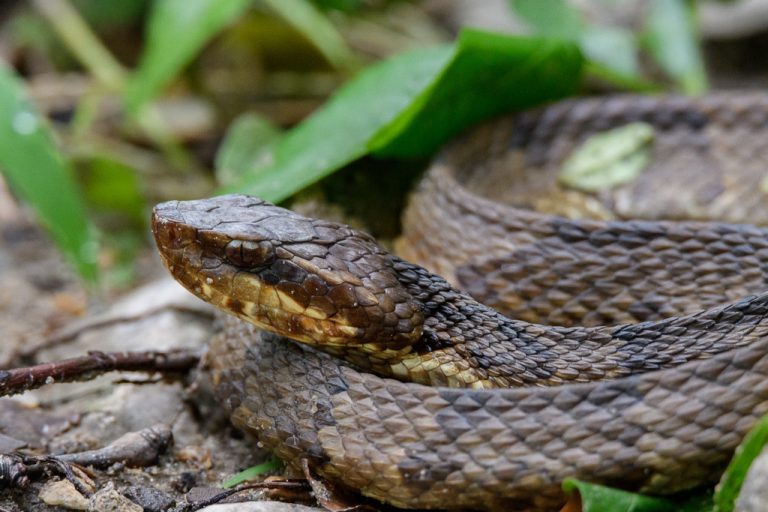
Northern Cottonmouth
also mates in fall; 3-15 live young born late summer to early fall
Agkistrodon piscivorus
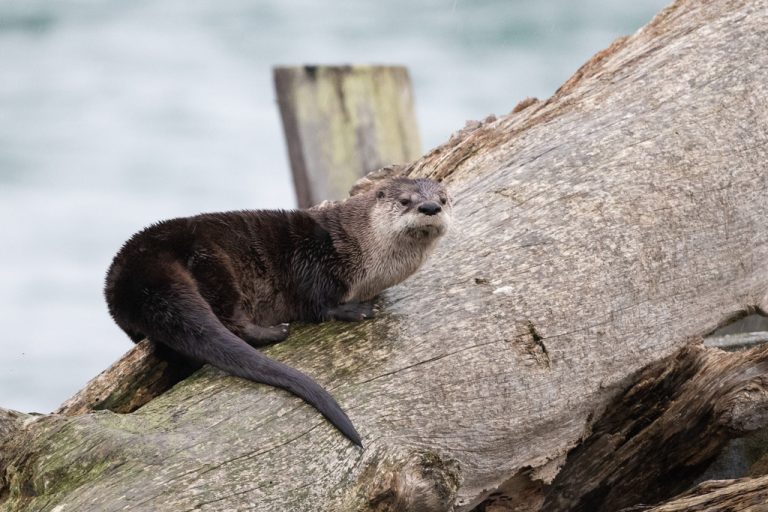
Northern River Otter
breeds March-April; delayed implantation means kits arrive the next late winter or early spring
Lontra canadensis
Pond Slider
mates in spring, fall and winter in South Carolina
Trachemys scripta
River Cooter
Pseudemys concinna
Southeastern Mud Turtle
Kinosternon subrubrum subrubrum
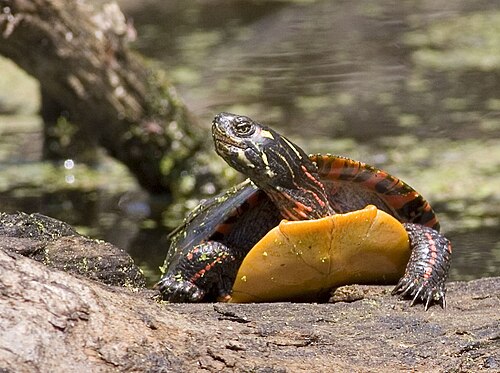
Southern Painted Turtle
males move between ponds looking for mates
Chrysemys dorsalis
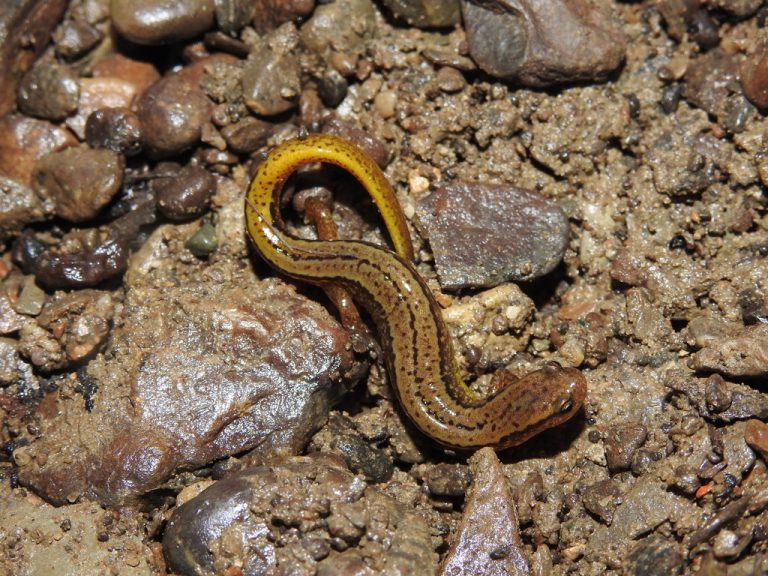
Southern Two-lined Salamander
eggs are attached under rocks in streams from late March to May; the female guards them
Eurycea cirrigera
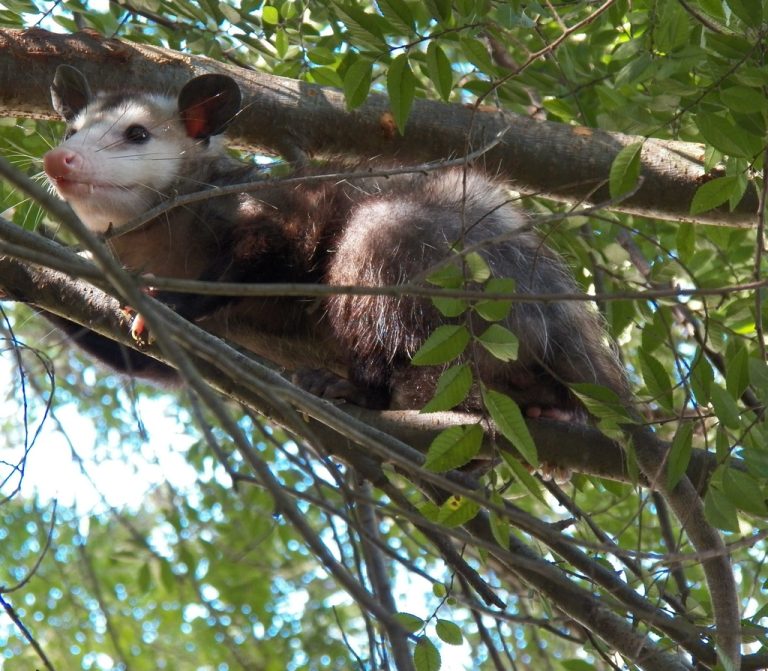
Virginia Opossum
near 30 degrees N breeding runs January-August; females average two litters a year
Didelphis virginiana
Wild Turkey
toms gobble and strut from February; most hens bred late March to early April
Meleagris gallopavo
Calling
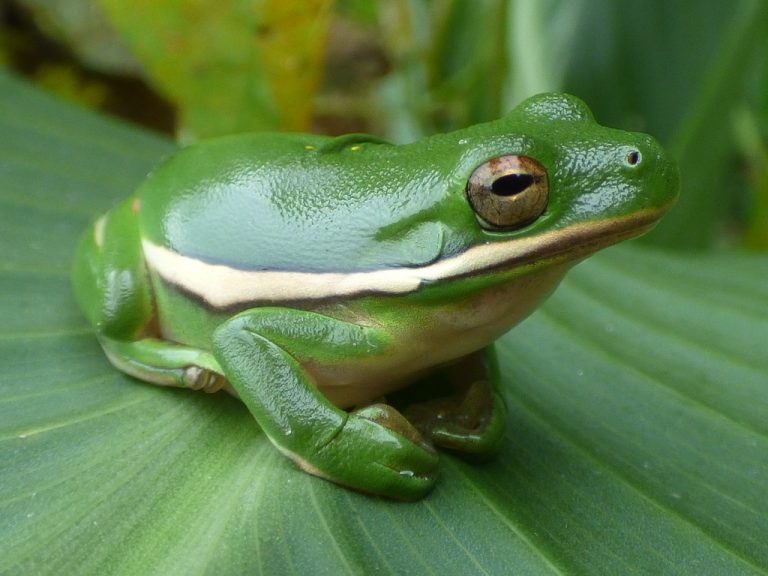
American Green Treefrog
males call a nasal, duck-like 'queenk' from plants at pond and swamp edges
Hyla cinerea
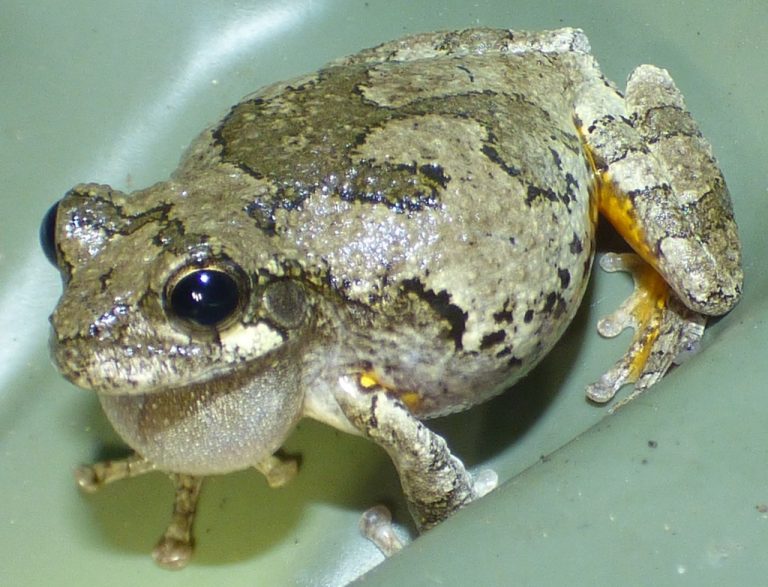
Cope's Gray Treefrog
breeding chorus peaks in early summer; males trill from shrubs around fishless pools
Hyla chrysoscelis
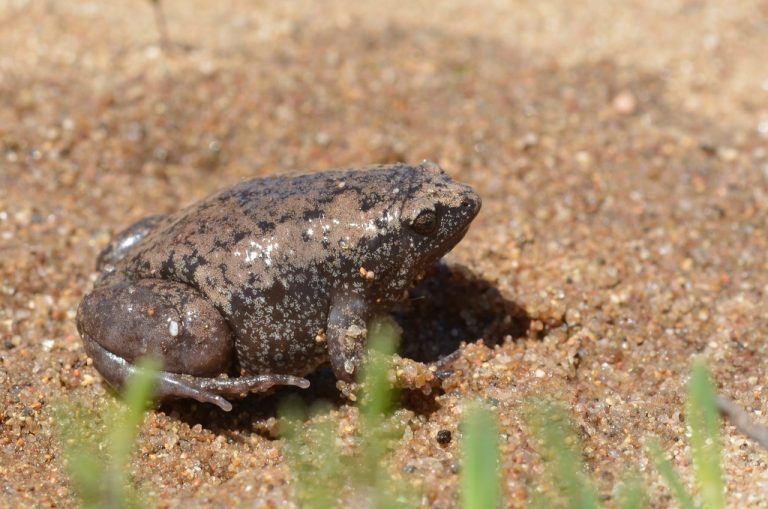
Eastern Narrow-mouthed Toad
heavy rains on warm nights set off a nasal, bleating 'waaah' from shallow pools
Gastrophryne carolinensis
Spawning
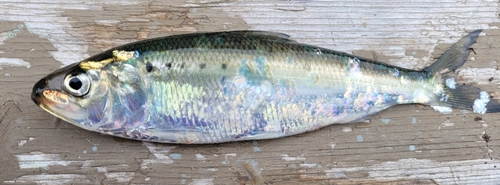
American Shad
spawning run from mid-January to April; most adults die after spawning in southern rivers
Alosa sapidissima
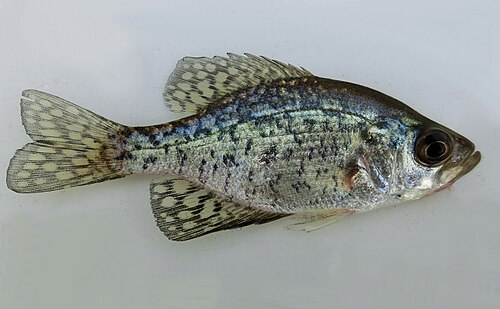
Black Crappie
spawns as water nears 60 degrees F; the male guards the nest until the fry leave
Pomoxis nigromaculatus
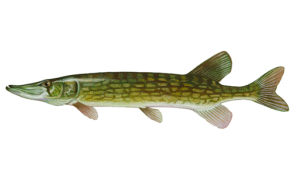
Chain Pickerel
spawns as water approaches 45 degrees F, in heavily vegetated, slow water
Esox niger
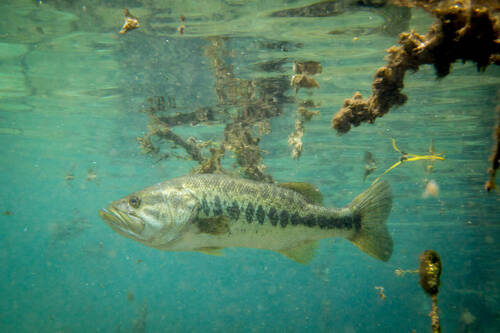
Largemouth Bass
spawns in 65-75 degree F water; Georgia DNR says the pre-spawn bite picks up in February
Micropterus nigricans
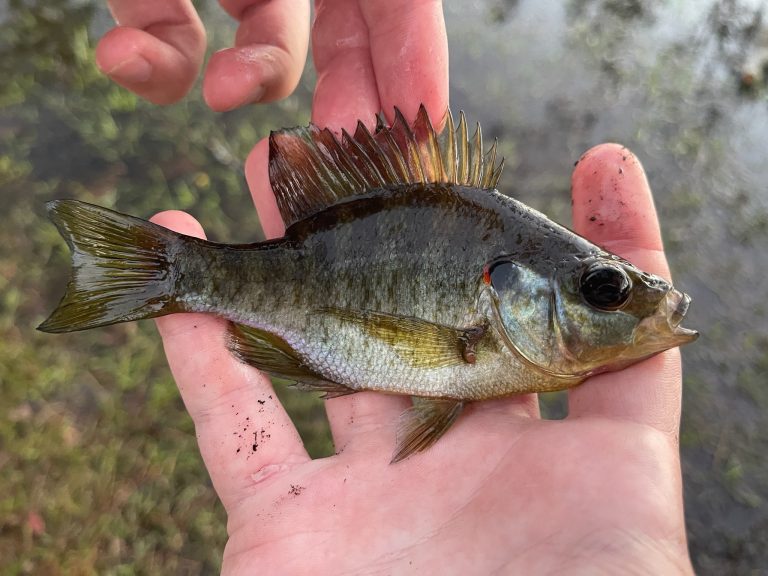
Redear Sunfish
the 'shellcracker spawn' at Clarks Hill comes in late April and early May
Lepomis microlophus
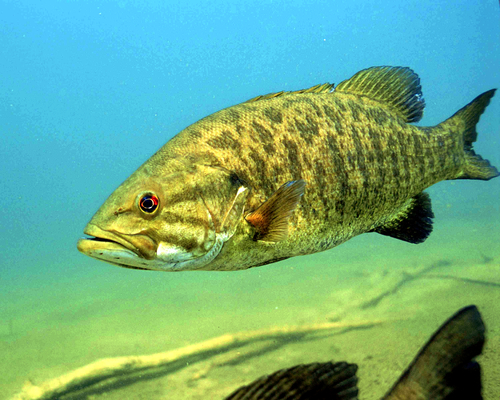
Smallmouth Bass
nests in spring once the water reaches about 60 degrees F, usually April or early May
Micropterus dolomieu
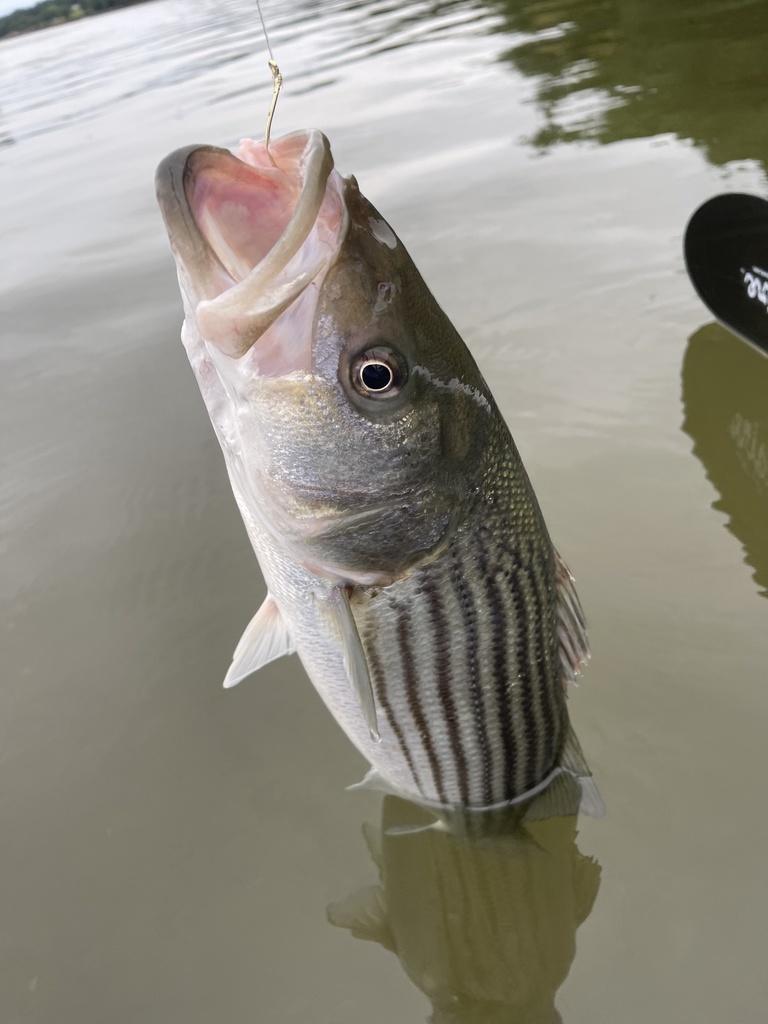
Striped Bass
spring run; Savannah River stripers gather just below the Augusta lock and dam April-June
Morone saxatilis
Emerging
Eastern Box Turtle
Terrapene carolina carolina
Eastern Carpenter Bee
overwintered adults come out; males appear slightly before females
Xylocopa virginica
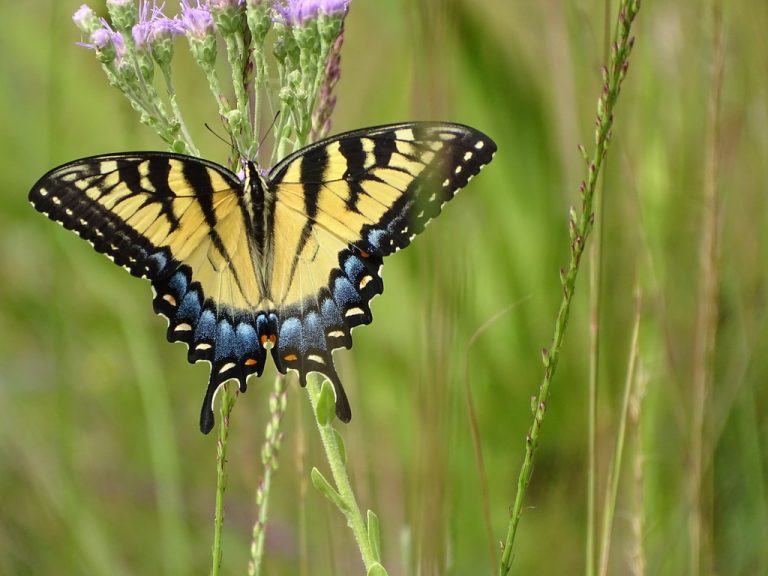
Eastern Tiger Swallowtail
spring brood; three flights a year in the Deep South
Papilio glaucus
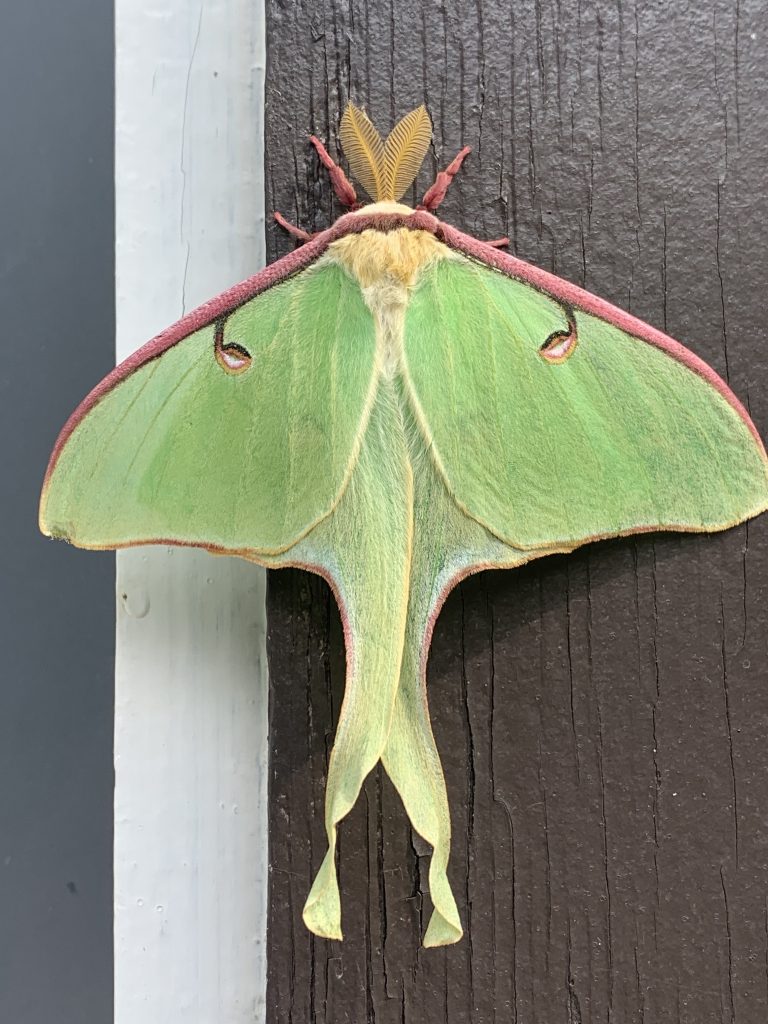
Luna Moth
first of two to three broods in the South
Actias luna
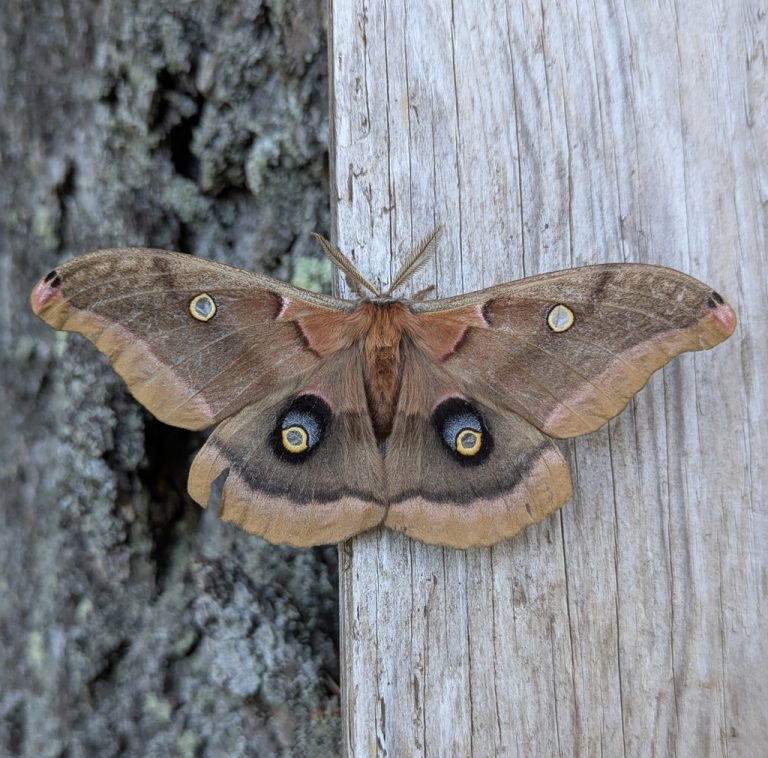
Polyphemus Moth
two broods in the South: April-May and July-August
Antheraea polyphemus
Southeastern Mud Turtle
adults leave winter burrows on land and return to the water
Kinosternon subrubrum subrubrum
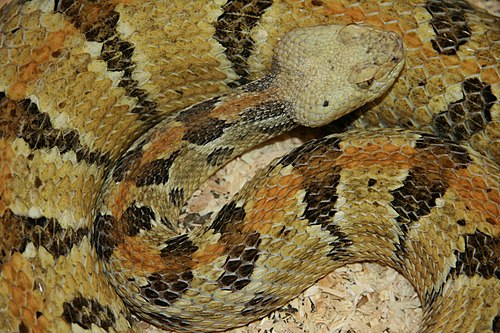
Timber Rattlesnake
leaves winter refuges from about mid-April in the South
Crotalus horridus
Arriving
Green Heron
historic Carolina Piedmont arrival dates fall between 3 and 24 April
Butorides virescens
Monarch Butterfly
spring migrants cross Georgia and lay eggs on milkweed
Danaus plexippus
Passing through
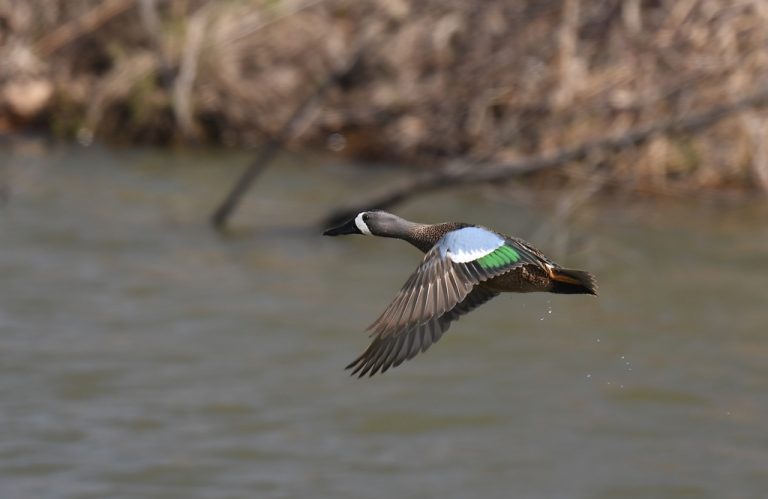
Blue-winged Teal
early fall migrant: first birds late August, peak September to early October
Spatula discors
Leaving
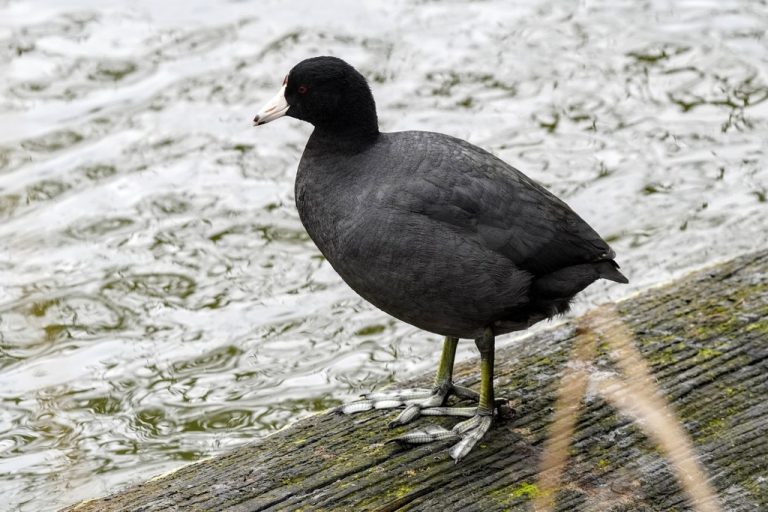
American Coot
last regular reports in late April
Fulica americana
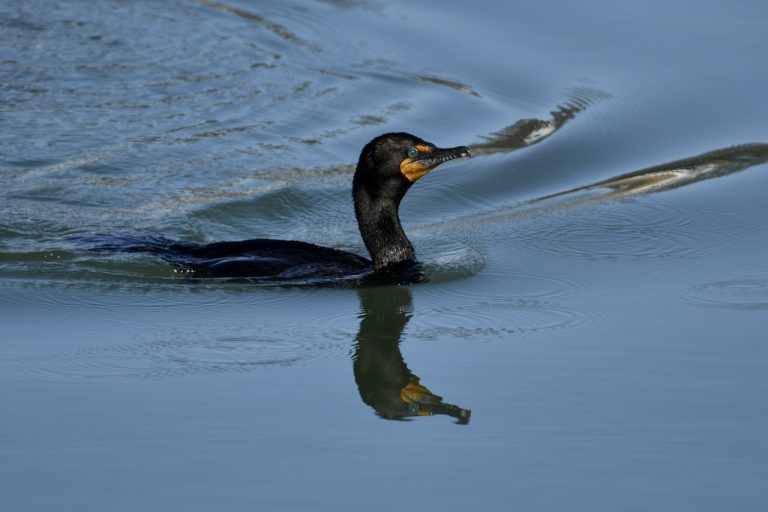
Double-crested Cormorant
county reports drop from late April; a few stay all summer
Nannopterum auritum
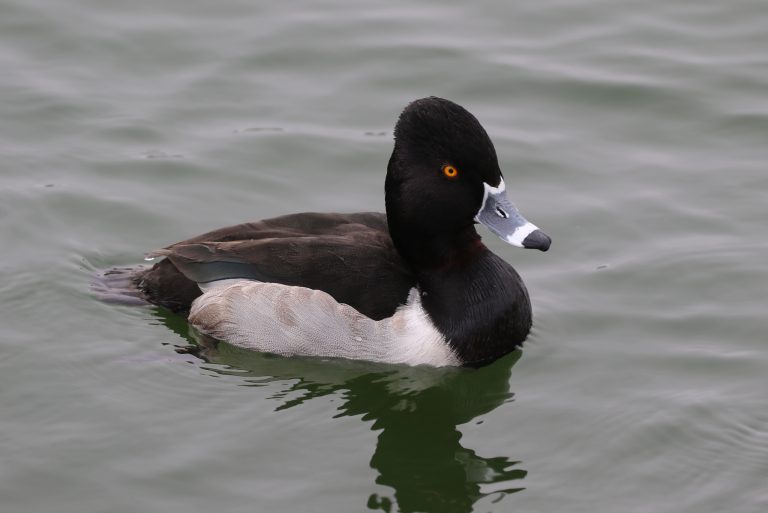
Ring-necked Duck
most leave in March; a few stay into April
Aythya collaris
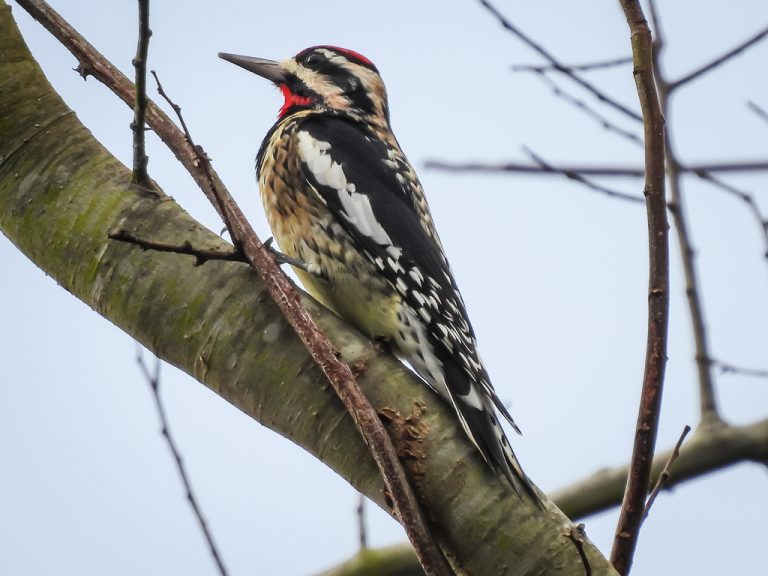
Yellow-bellied Sapsucker
departs by the end of April
Sphyrapicus varius
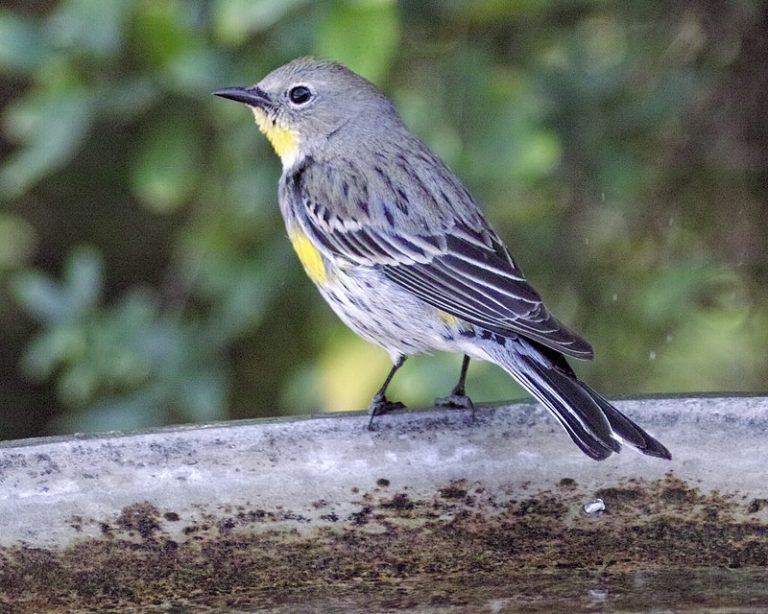
Yellow-rumped Warbler
a few linger into the first week of May
Setophaga coronata
Dormant for the winter
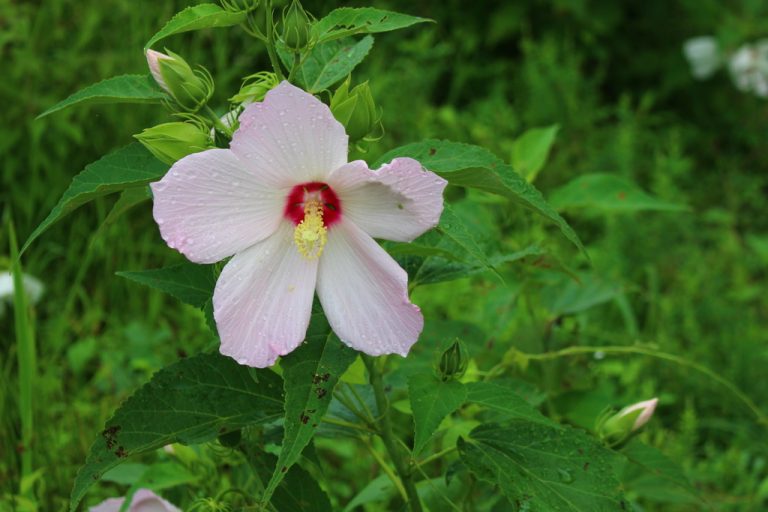
Swamp Rose Mallow
Hibiscus moscheutos
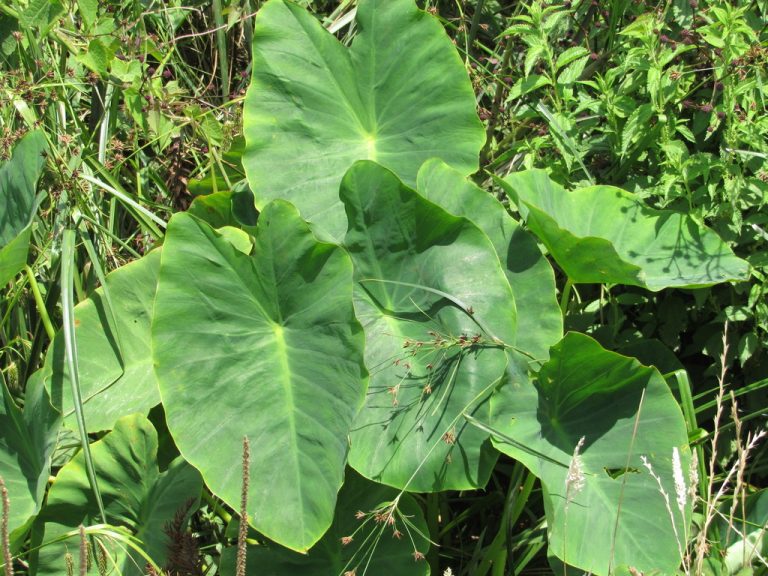
Taro
Colocasia esculenta
Also around in April
Birds
-
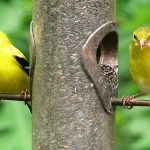 American Goldfinch
Spinus tristis
American Goldfinch
Spinus tristis
-
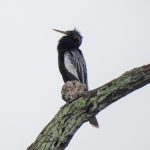 Anhinga
 anhinga leucogaster
Anhinga
Anhinga anhinga leucogaster
-
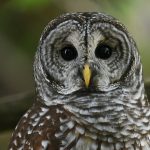 Barred Owl
Strix varia
Barred Owl
Strix varia
-
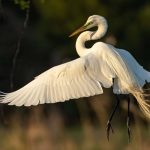 Great Egret
Ardea alba
Great Egret
Ardea alba
Mammals
-
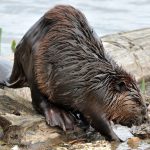 American Beaver
Castor canadensis
American Beaver
Castor canadensis
-
 Big Brown Bat
Eptesicus fuscus
Big Brown Bat
Eptesicus fuscus
-
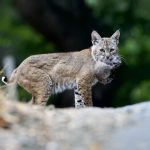 Bobcat
Lynx rufus
Bobcat
Lynx rufus
-
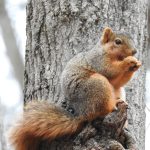 Eastern Fox Squirrel
Sciurus niger
Eastern Fox Squirrel
Sciurus niger
-
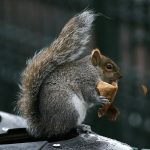 Eastern Gray Squirrel
Sciurus carolinensis
Eastern Gray Squirrel
Sciurus carolinensis
-
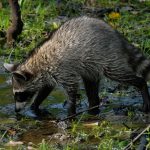 Raccoon
Procyon lotor
Raccoon
Procyon lotor
-
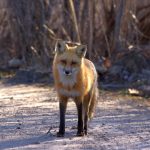 Red Fox
Vulpes vulpes
Red Fox
Vulpes vulpes
-
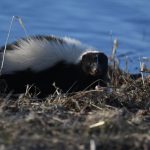 Striped Skunk
Mephitis mephitis
Striped Skunk
Mephitis mephitis
-
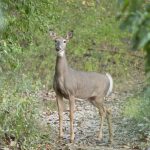 White-tailed Deer
Odocoileus virginianus
White-tailed Deer
Odocoileus virginianus
Reptiles
-
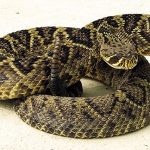 Eastern Diamond-backed Rattlesnake
Crotalus adamanteus
Dangerous
Eastern Diamond-backed Rattlesnake
Crotalus adamanteus
Dangerous
-
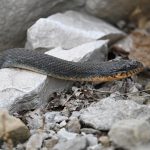 Plain-bellied Watersnake
Nerodia erythrogaster
Plain-bellied Watersnake
Nerodia erythrogaster
-
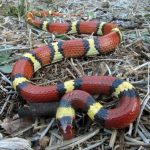 Scarlet Kingsnake
Lampropeltis elapsoides
Scarlet Kingsnake
Lampropeltis elapsoides
Amphibians
-
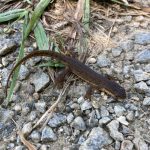 Eastern Newt
Notophthalmus viridescens
Eastern Newt
Notophthalmus viridescens
-
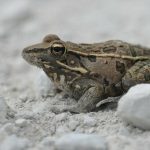 Southern Leopard Frog
Lithobates sphenocephalus
Southern Leopard Frog
Lithobates sphenocephalus
-
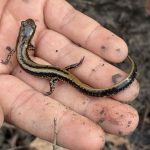 Three-lined Salamander
Eurycea guttolineata
Three-lined Salamander
Eurycea guttolineata
Fish
-
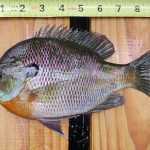 Bluegill
Lepomis macrochirus
Bluegill
Lepomis macrochirus
-
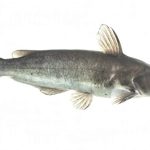 Channel Catfish
Ictalurus punctatus
Channel Catfish
Ictalurus punctatus
-
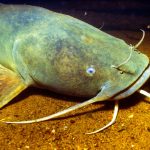 Flathead Catfish
Pylodictis olivaris
Flathead Catfish
Pylodictis olivaris
Insects
-
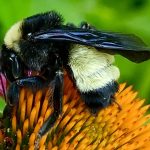 American Bumblebee
Bombus pensylvanicus
American Bumblebee
Bombus pensylvanicus
-
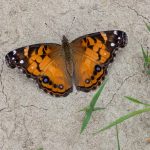 American Lady
Vanessa virginiensis
American Lady
Vanessa virginiensis
-
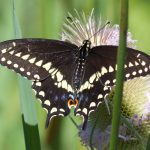 Black Swallowtail
Papilio polyxenes
Black Swallowtail
Papilio polyxenes
-
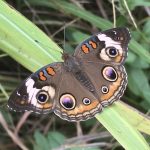 Common Buckeye
Junonia coenia
Common Buckeye
Junonia coenia
-
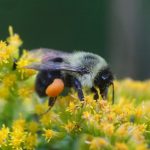 Common Eastern Bumblebee
Bombus impatiens
Common Eastern Bumblebee
Bombus impatiens
-
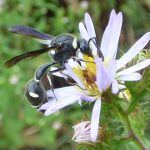 Fraternal Potter Wasp
Eumenes fraternus
Fraternal Potter Wasp
Eumenes fraternus
-
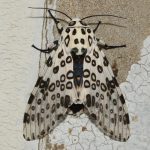 Giant Leopard Moth
Hypercompe scribonia
Giant Leopard Moth
Hypercompe scribonia
-
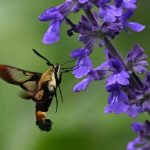 Snowberry Clearwing
Hemaris diffinis
Snowberry Clearwing
Hemaris diffinis
-
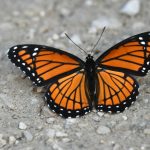 Viceroy
Limenitis archippus
Viceroy
Limenitis archippus
-
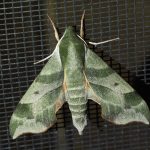 Virginia Creeper Sphinx
Darapsa myron
Virginia Creeper Sphinx
Darapsa myron
-
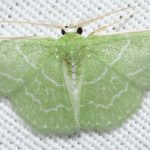 Wavy-lined Emerald
Synchlora aerata
Wavy-lined Emerald
Synchlora aerata
Plants
-
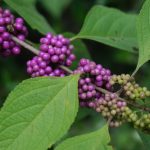 American Beautyberry
Callicarpa americana
American Beautyberry
Callicarpa americana
-
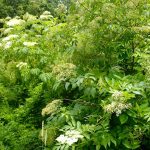 American Elderberry
Sambucus canadensis
American Elderberry
Sambucus canadensis
-
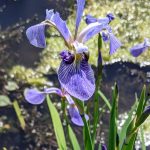 Blue Flag Iris
Iris virginica
Blue Flag Iris
Iris virginica
-
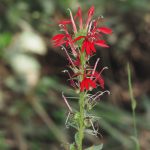 Cardinal Flower
Lobelia cardinalis
Cardinal Flower
Lobelia cardinalis
-
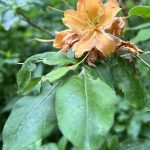 Flame Azalea
Rhododendron calendulaceum
Flame Azalea
Rhododendron calendulaceum
-
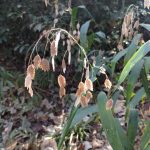 Inland Wood Oats
Chasmanthium latifolium
Inland Wood Oats
Chasmanthium latifolium
-
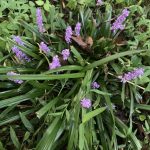 Lilyturf
Liriope muscari
Lilyturf
Liriope muscari
-
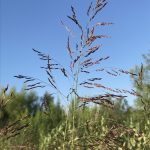 Purpletop Tridens
Tridens flavus
Purpletop Tridens
Tridens flavus
-
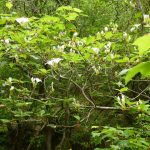 Smooth Azalea
Rhododendron arborescens
Smooth Azalea
Rhododendron arborescens
-
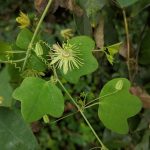 Yellow Passionflower
Passiflora lutea
Yellow Passionflower
Passiflora lutea
Trees
-
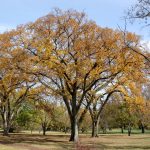 American Elm
Ulmus americana
American Elm
Ulmus americana
-
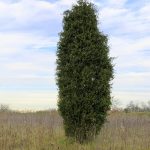 Eastern Red Cedar
Juniperus virginiana
Eastern Red Cedar
Juniperus virginiana
-
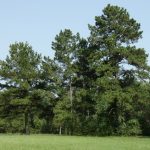 Loblolly Pine
Pinus taeda
Loblolly Pine
Pinus taeda
-
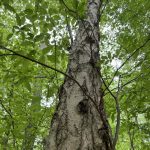 River Birch
Betula nigra
River Birch
Betula nigra
-
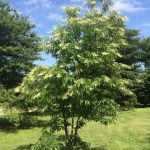 Sourwood
Oxydendrum arboreum
Sourwood
Oxydendrum arboreum
See every species, in any month, in the Wildlife Guide.